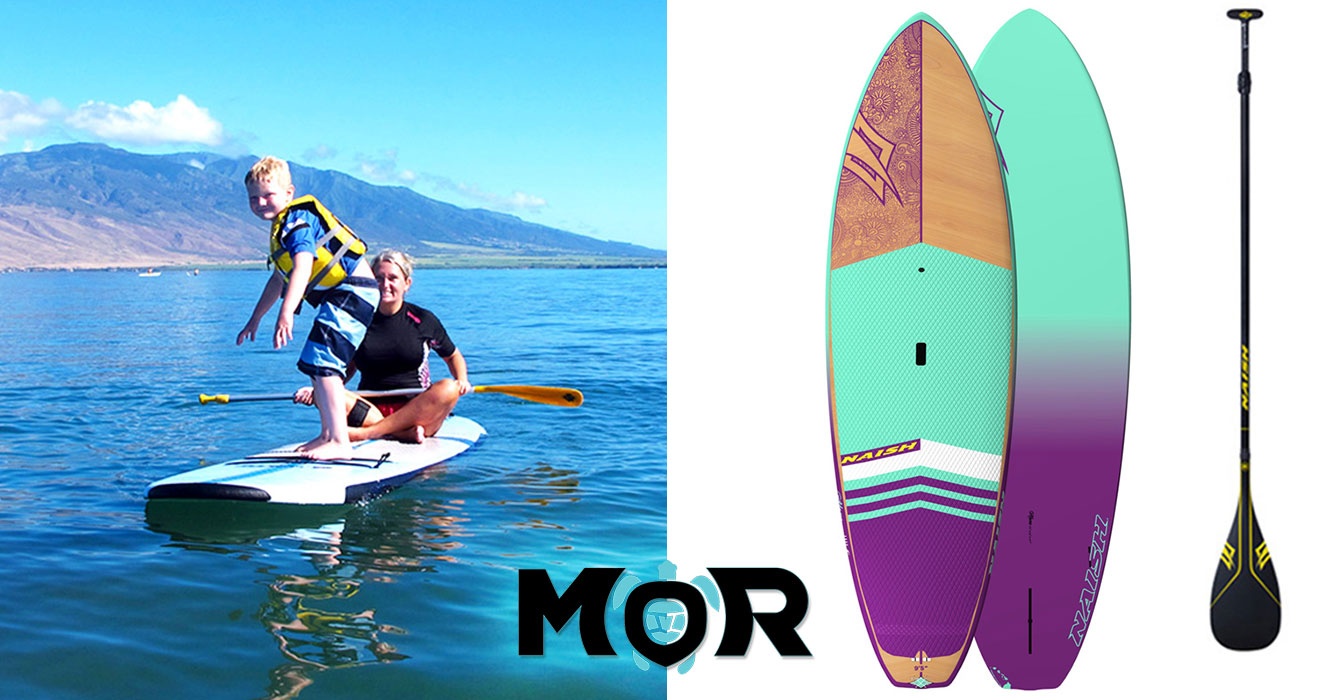
Why Pāʻia Is a Standout SUP Destination
Pāʻia is a small town with a big ocean education. The north shore of Maui compresses a wide range of paddling conditions into a short coastline: sheltered coves that read calm at dawn, long open stretches that become exhilarating downwind runs when the trade winds fire, and reef-guarded breaks that turn into playful playgrounds for surf-capable boards. For paddlers the lesson is immediate and sensory. Early mornings often arrive glassy, breath visible above the water as the island’s silhouette softens with the first light; afternoons bring the tradewind breath that sculpts whitecaps and coaxes the ocean into motion. That variability is the job interview and the reward. In a single day you can practice flatwater balance, learn to read the wind, and—if your skillset allows—tackle a headland-to-headland crossing that feels like flight.
Beyond pure conditions, Pāʻia’s culture is wired to the ocean. The town evolved from a plantation and whaling outpost into a small hub of windsurfers, kiteboarding and SUP communities who share knowledge at the shore. Local instructors and rental shops are part of a tightly woven network: they know where the morning glass lives, where current funnels create tricky exits, and which reef channels are safer for downwind runs. That local knowledge matters—reading currents, tides, and swell direction is as important as board choice. Practically, Pāʻia is small and walkable: you can park, rig a board, and be paddling in minutes. The nearby road system provides access to multiple launch points within short drives, so paddlers can tailor plans to wind forecasts and school-aged surf activity.
Environmental context is also central to the experience. Hawaiian coastal ecosystems are fragile; reefs harbor reef fish and limu (seaweed) beds that depend on mindful use. Respecting marine life, avoiding reef dragging, and returning gear without foreign debris are basic etiquette. Seasonality is purposeful: winter swells reconfigure the north shore into a playground for experienced surfers and large-wave specialists, while spring and early summer bring more predictable trade-wind patterns favoring downwinders and sheltered paddles. For visiting paddlers, Pāʻia offers a condensed curriculum in ocean literacy: learn to time tides, read swell angles, and develop a shortcut to intuition that only repeated days on the water provide.
Variety in a short stretch: Pāʻia’s coastline includes calm bays for beginners, exposed points for downwinders, and reef breaks that test surf skills all within short drives of one another.
Local knowledge levels up safety and fun: small shops and instructors share real-time insights about currents, channel exits, and wind windows—ask before you launch.
Cultural and environmental awareness matters: paddle with care around reefs and marine life, practice leave-no-trace beach habits, and favor reef-safe sunscreen.