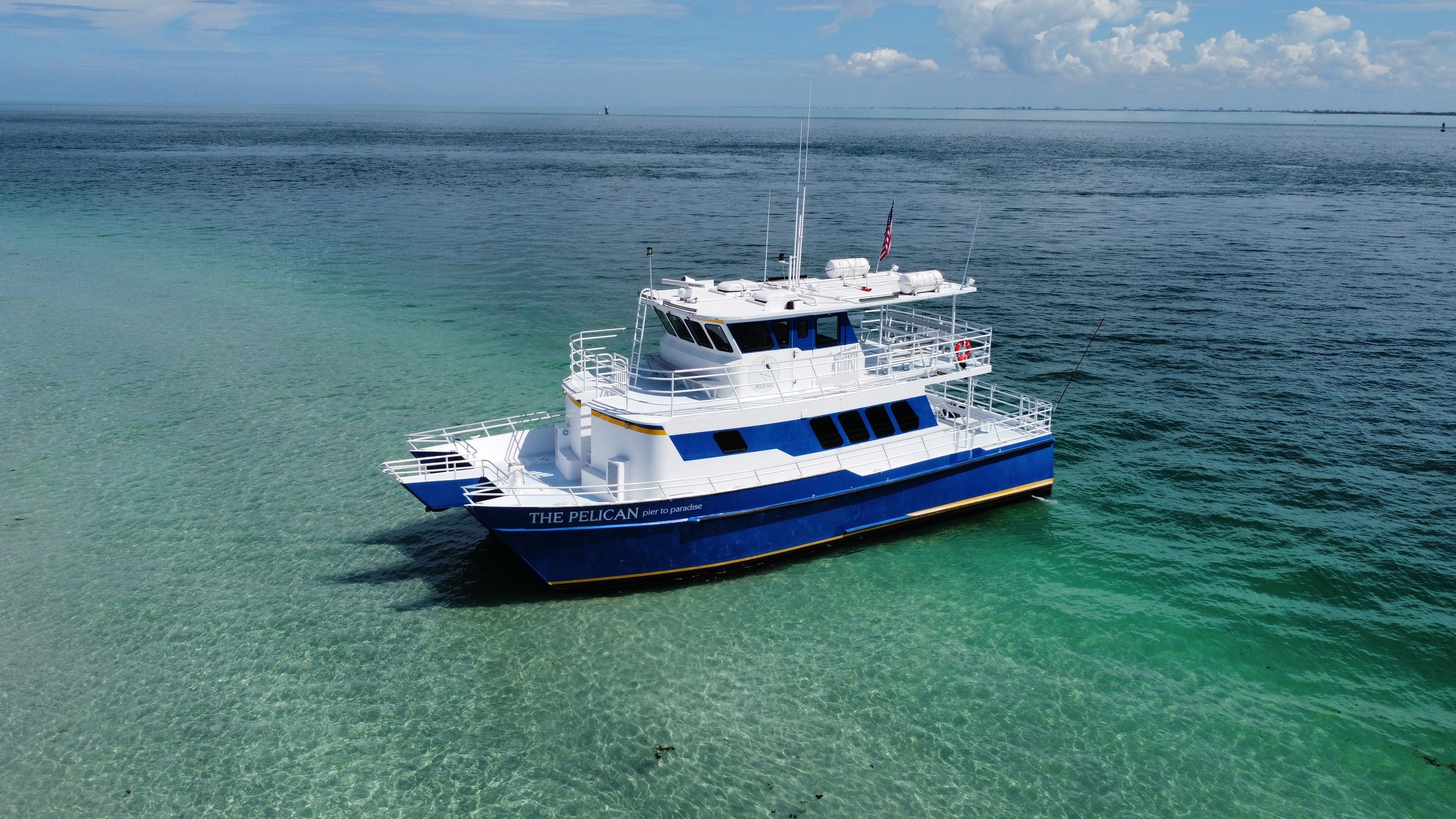
The coast near Pinellas Park is not a single place so much as a stitched landscape of channels, estuaries, and shallow Gulf shelves that funnel life and motion along predictable lines. Bottlenose dolphins have adapted to this mosaic: they cruise the Intracoastal Waterway hunting in the low light of dawn, chase mullet off sandy points, and ride the wake of fishing boats near passes. For visitors the appeal is immediate and sensory—clicks and whistles like a busy seaside conversation, the flash of a gray back, a calf’s cautious surface. But beyond the spectacle, dolphin trips here are a lesson in coastal ecology. You watch how tides rearrange the food web, how seagrass beds and mangrove roots hold juvenile fish, and how human rhythms—boating lanes, fishing pressure, beach visitation—shape animal behavior.
Local operators and naturalists have turned that interface into a suite of experiences that suit different appetites. A half-day eco-cruise offers narrated context: individual dolphins' social structures, the threats of boat strikes and pollution, and the conservation work led by area researchers. Small-group kayak tours tuck you into quieter creeks where pods sometimes weave between mangrove prop roots, giving an intimate vantage while emphasizing minimal disturbance. For photographers and casual travelers there are classic sunset cruises across calm flats, while anglers and charter captains provide cross-over experiences where dolphin sightings are often an unplanned bonus. With 54 local dolphin-focused trips available in the greater Pinellas Park corridor, travelers can compare vessel types, group sizes, and educational focus to match their priorities.
Culturally, dolphin tours here reflect a region that balances heavy visitation with conservation-minded interpretation. Guides frequently incorporate citizen-science opportunities—photo-ID, sighting reports, or beach cleanups—so the experience becomes participatory rather than passive. And because Florida’s weather molds the rhythm of the coast, seasons change the character of encounters: cooler months tighten schools into predictable feeding lines on flats, while summer sees wider-ranging movements and more calves. Responsible trip choices—operators who enforce approach distances, brief riders on wildlife etiquette, and opt for non-invasive activities—make the difference between a fleeting show and a meaningful, low-impact encounter.
Dolphins are most visible where shallow feeding grounds meet channels: watch sandbars, inlet mouths, and seagrass edges. Operators who know local tidal cycles and fish patterns can significantly increase sighting odds.
Ethical viewing is central: Florida law and best practices discourage feeding, touching, or deliberately harassing wild dolphins. Choose operators that prioritize observation distances and educational guidance over sensational interaction.
Choose by purpose
Whale watching, snorkeling, sunset sailing, cultural canoeing, harbor sightseeing, or private chartering.
Start near the city
Waikiki and Honolulu Harbor are primary hubs, with some trips launching near Hanauma Bay.
Confirm the vessel
Gangways, shaded seating, and boarding requirements vary according to vessel size and operator.