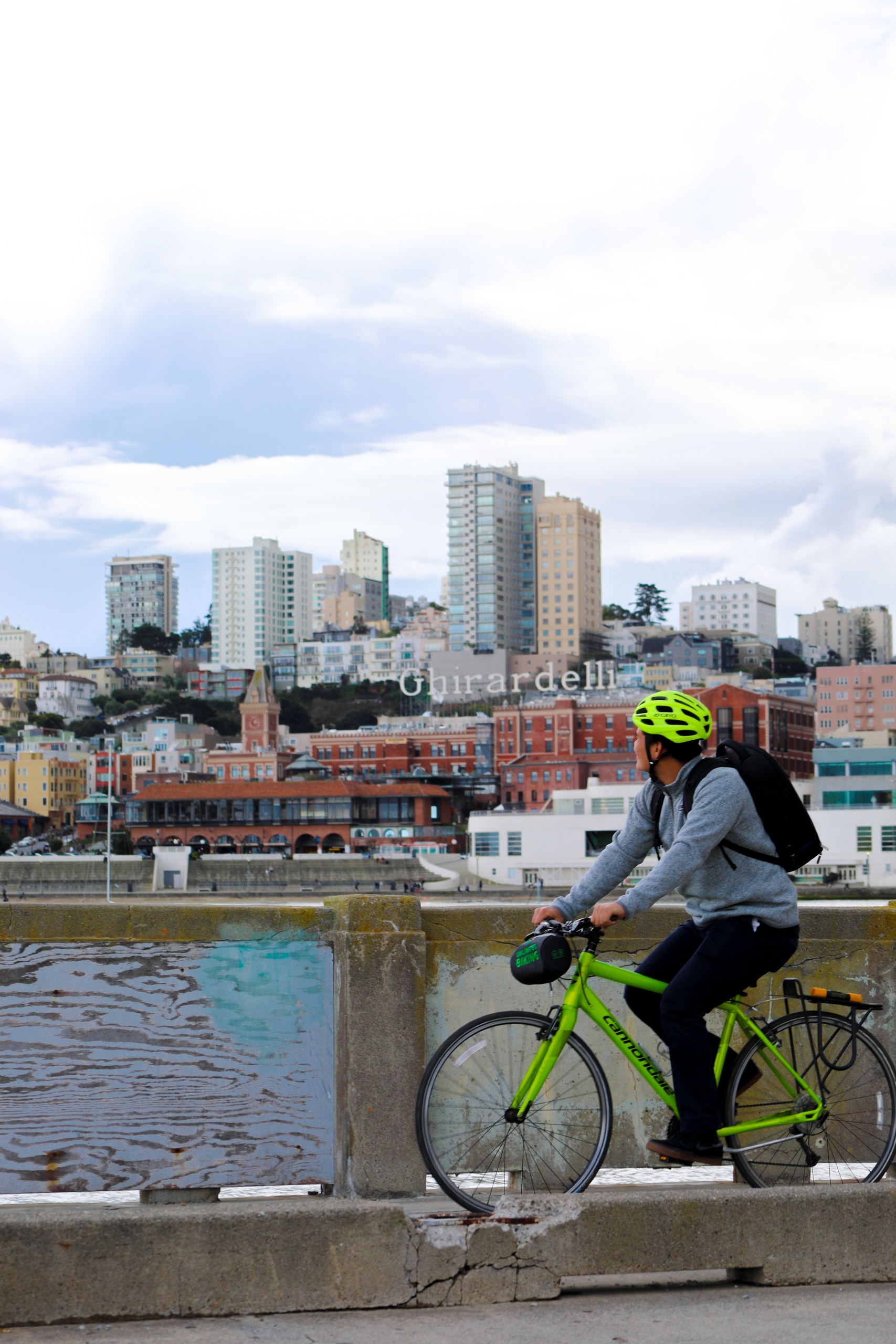
Point Reyes Station sits where coastal wind, sea fog, and broad agricultural valleys meet—an odd and generous pocket of Northern California where a rider can cross habitat types in a single afternoon. For e‑bikers the place is especially appealing because the electric assist softens the steep moments without erasing the sense of arrival. Routes thread quiet paved county roads, rural farm lanes, and designated cycling corridors that open to sweeping views of Tomales Bay and the Pacific beyond. You can pedal a wide loop that includes tide pools, dairy country, and cliffside overlooks while preserving energy to hike the short spur to a lighthouse or linger at a farmstand for fresh bread.
The landscape rewards varied pacing. Mornings commonly start in a cool marine layer that clings to the lowlands—great for long, sun‑softened miles—while afternoons may clear to brilliant coastal light, or shift to stiff northwesterly wind that demands strategy: tuck, draft, and pick sheltered approaches. E‑bikes make it easier to parcel the day—reserve battery power for ridge climbs, use pedal‑assist through headwinds, and swipe into a lower‑assist mode when you want to stretch the range. That flexibility opens itineraries that would be physically demanding on a conventional bike, allowing mixed groups of different fitness levels to stay together and enjoy the ride.
Beyond physiology, Point Reyes has cultural texture: working ranches, small coastal towns with cafes and bike shops, and a conservation ethic that shapes access. Many roads are rural and narrow—shared with tractors, tour buses, and wandering cattle—so an e‑biker’s responsibility is to ride predictably, yield readily, and park considerately. Conservation rules also influence where e‑bikes are allowed; the National Seashore and other protected lands have their own regulations about mechanized access. Check current rules before you roll. When you combine the technical possibilities of an e‑bike with local knowledge—tidal schedules for beach walks, wind forecasts for exposed climbs, and battery planning for remote stretches—Point Reyes becomes an ideal short‑range destination for memorable, low‑impact coastal cycling.
The draw is diversity: coastal cliffs, estuary flats, rolling dairy pastures, and low ridgelines are all reachable from town by paved roads and short gravel connectors.
Seasonal weather shapes rides—spring wildflowers and calmer winds are ideal; summer brings more visitors and persistent marine layer; fall offers crisp, clear days and long light.
The harbor is the gateway, and the Pacific becomes the classroom.
E‑bikes broaden access for mixed‑ability groups but also require extra attention to park regulations, battery planning, and road etiquette around farm vehicles and livestock.
Choose by purpose
Whale watching, snorkeling, sunset sailing, cultural canoeing, harbor sightseeing, or private chartering.
Start near the city
Waikiki and Honolulu Harbor are primary hubs, with some trips launching near Hanauma Bay.
Confirm the vessel
Gangways, shaded seating, and boarding requirements vary according to vessel size and operator.