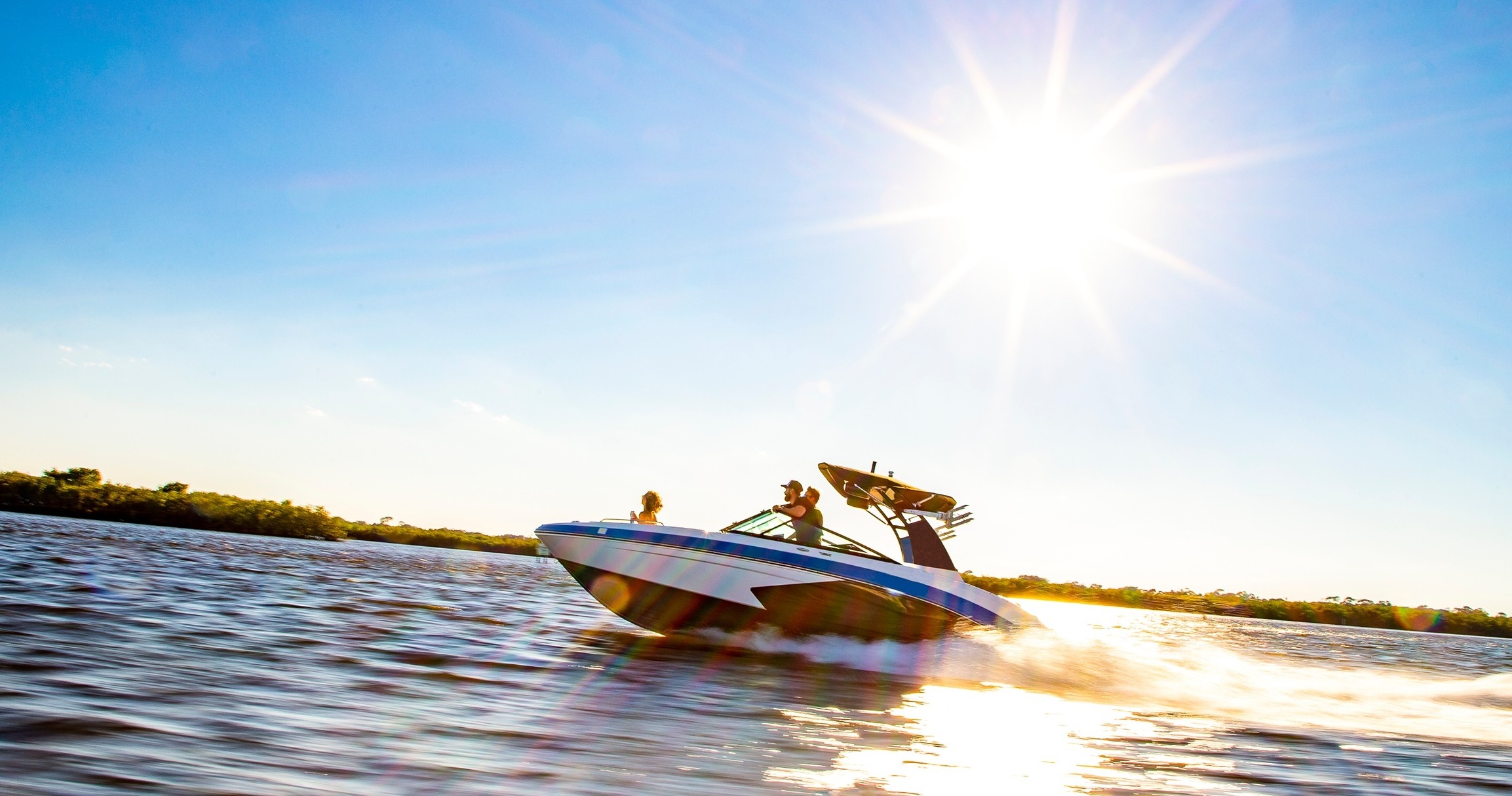
Boat tours in Port Orange are an intimate study of edges—the liminal strip where inland waters slow and the Atlantic begins to flex. The Halifax River and the Intracoastal Waterway carve a steady ribbon through town, producing shallow channels, oyster bars, and broad flats that concentrate life and memory in equal measure. On a typical morning tour you move slowly along mangrove-studded shorelines, watching the water reflect a sky that feels larger from the middle of an estuary. Dolphins appear as punctuation marks in that reflection: groups surfacing in arcs, sometimes bold and playful, sometimes furtive. Seabirds ride thermals and tides, while waders pick at exposed flats. The feeling is both cinematic and precise—you get close enough to see the pattern of barnacles on a piling and far enough out to sense the remoteness of Canaveral’s barrier islands.
The region’s layered history is part of the onboard conversation. The Halifax corridor has long been a working landscape: native people and early settlers relied on the estuary for fish and transport; later, maritime commerce and small-scale fishing shaped coastal towns. Modern boat tours translate that history into approachable narratives—stories about channel markers, lighthouse keepers at Ponce Inlet, and the environmental shifts that have remade seagrass beds and shorelines in recent decades. Guides often double as local naturalists, translating a passing sighting—a feeding frenzy of baitfish, a lone manatee in a quiet cove—into an accessible lesson about seasonal migrations and habitat sensitivity.
What makes Port Orange distinctive for boat-based exploration is scale and variety. Within a short run you can experience sheltered river channels ideal for slow wildlife watching, the channel mouth drama of Ponce Inlet where ocean swells meet river outflow, and sheltered coastal lagoons favored by manatees and shorebirds. That variety supports a wide range of experiences: family-friendly dolphin cruises, interpretive eco-tours that emphasize local conservation efforts, sunset sails that favor light and calm, and day trips that position you to watch rocket launches on clear nights from a respectful distance. The relative compactness of the coastline means you rarely need an all-day commitment to feel transported—the water itself does much of the work.
Practical conditions matter here. Port Orange sits in a subtropical zone where summer brings heat, humidity, and frequent afternoon thunderstorms; late summer and early fall overlap with the Atlantic hurricane season. Water clarity and wildlife visibility shift through the year, and occasional algal blooms can alter the character of the estuary. But these factors also shape opportunities: spring and fall migrations concentrate birds and marine life; cooler winter days can bring clear light and quieter waterways. The best tours couple a sense of place with practical stewardship—limiting wakes near seagrass beds, briefing passengers on wildlife etiquette, and anchoring conversations in the conservation challenges that local waterways face. For travelers seeking an approachable coastal adventure—one rich with wildlife, local color, and accessible logistics—boat tours from Port Orange are an efficient and memorable portal to Florida’s coastal story.
The diversity of short to half-day offerings is the draw: wildlife-focused cruises, inlet runs for ocean views, sunset cruises, and private charters for fishing or photography.
Guides commonly explain local ecology on board, connecting sightings—dolphins, manatees, shorebirds—to broader habitat and conservation issues.
The harbor is the gateway, and the Pacific becomes the classroom.
Tours are accessible from multiple small marinas and launch points, making them an easy add-on to a beach day, kayak trip, or visit to Ponce Inlet Lighthouse.
Choose by purpose
Whale watching, snorkeling, sunset sailing, cultural canoeing, harbor sightseeing, or private chartering.
Start near the city
Waikiki and Honolulu Harbor are primary hubs, with some trips launching near Hanauma Bay.
Confirm the vessel
Gangways, shaded seating, and boarding requirements vary according to vessel size and operator.