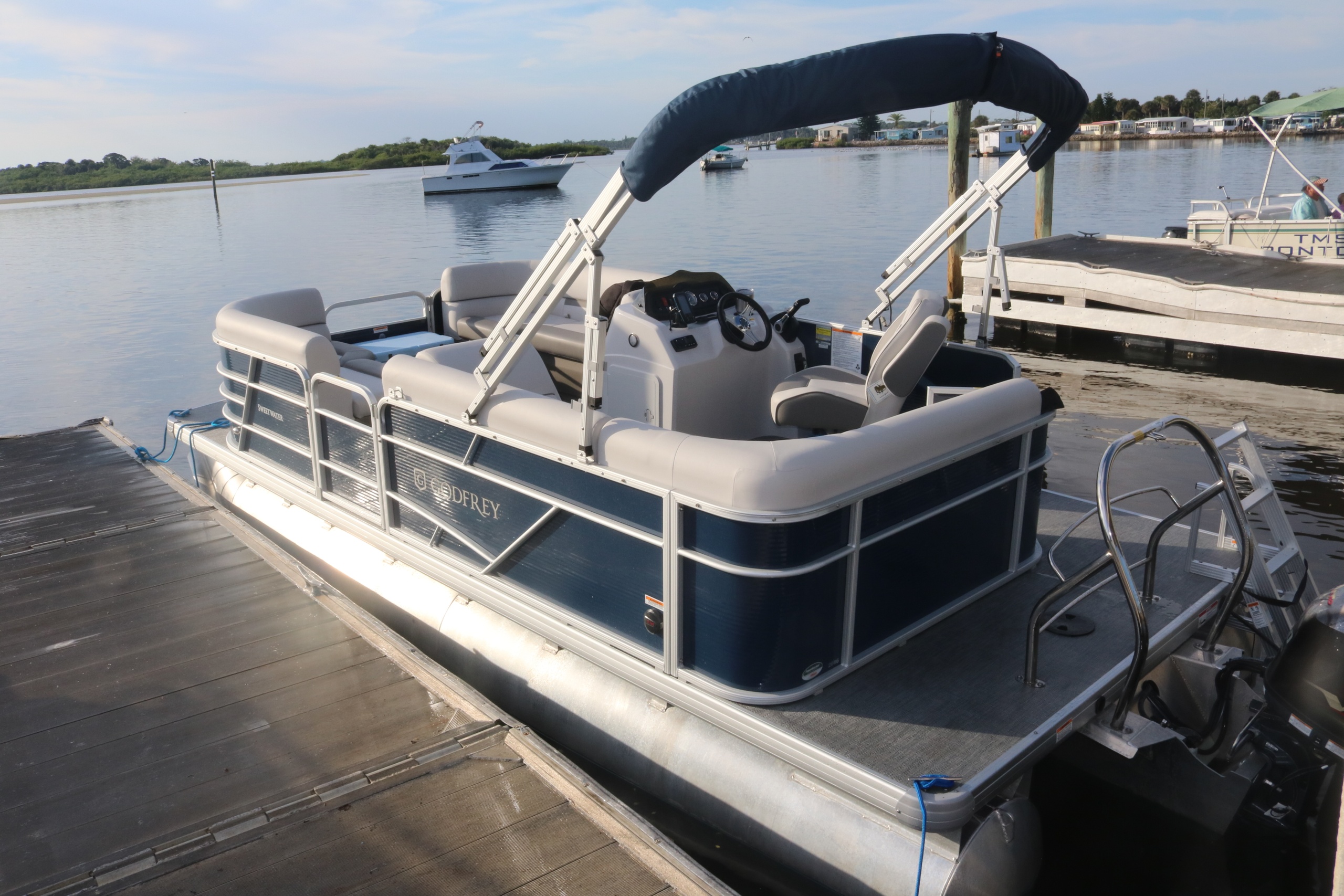
Port Orange sits at the intersection of brackish river flats, sheltered creeks, and an Atlantic shelf that drops into productive nearshore waters — a mix that creates a rich seasonal rotation of species and styles. Before dawn, the shallow edges of the Halifax River and its tidal creeks glow silver as schools of bait move with the current. In spring and summer those bait clouds attract snook and tarpon to the mangrove edges, while redfish and spotted sea trout hunt the flats on falling tides. The landscape is intimate and readable: oyster bars, mangrove fingers, and sandy cuts that anglers learn to parse the way a backcountry hiker reads contour lines. You can stand on a packed sandbar at low tide and watch a redfish ghost through knee-deep water, or you can motor fifteen minutes offshore to a chain of reefs and wrecks where amberjack, grouper, and king mackerel patrol structure.
The variety here is one of Port Orange’s strengths. For the angler who values versatility, Port Orange compresses multiple fisheries into short runs. A morning flats trip for sight-fishing can be followed by an afternoon nearshore troll that targets pelagics, and an evening stroll along a public pier can produce pompano on a slow sandbar drop. Local charters and guides work the Halifax, Spruce Creek, and nearby Mosquito Lagoon, offering easy introductions to sight-casting, light tackle inshore techniques, and the patience of live-bait chumming. The community is practical and water-wise: many anglers favor stealth — poling a flats skiff or casting from a kayak — and there’s a healthy culture of catch-and-release for key populations like snook and tarpon.
Environmental context matters: Port Orange’s fisheries are shaped by tides, freshwater inflow, and seasonal migrations. Warm months bring fast growth and abundant baitfish, while winter fronts tighten schools and concentrate fish along warmer channels and deeper holes. Red tide and other water-quality events can alter patterns, and anglers keep a close eye on seasonal closures and size limits imposed to protect stocks. For visitors, that means the best trips are informed trips: ask a local captain about recent bite patterns, check tide charts for the Halifax River, and match your tactic to the day — fly or light spinning gear for sight-fishing, heavier spinning or conventional tackle for nearshore structure, and simple sand-fishing rigs for pier and surf sessions.
Port Orange’s proximity to both sheltered estuary flats and quick runs to the shelf creates accessible diversity: sight-fishing for redfish and trout in the morning, bottom fishing for grouper later in the day, and evening surf or pier sessions for smaller, steady-action species.
A small-town maritime culture supports angling with local tackle shops, family-run charters, and public access points — making it straightforward to outfit a trip whether you’re an experienced angler or picking up a rod for the first time.
Choose by purpose
Whale watching, snorkeling, sunset sailing, cultural canoeing, harbor sightseeing, or private chartering.
Start near the city
Waikiki and Honolulu Harbor are primary hubs, with some trips launching near Hanauma Bay.
Confirm the vessel
Gangways, shaded seating, and boarding requirements vary according to vessel size and operator.