Why Ridgeville Works for Kayakers
Ridgeville sits at an understated intersection of inland Lowcountry waterways and accessible outdoor life. For paddlers, that translates to short approaches, calm water, and a landscape that rewards slow travel. Unlike open-coast surfing or wide-river running, the kayak experience here is intimate: you'll thread shaded channels under oaks and pines, skirt cattail margins thick with dragonflies, and watch the water reflect a canopy of marsh sky. That intimacy is also practical. Many launches are short carries from quiet roadside spots; because the water is often sheltered, recreational kayaks, tandems, and sit-inside boats work well alongside inflatable and touring craft.
The ecological framing of Ridgeville's paddling options is also part of the draw. Lowcountry creeks and ponds support an abundance of birdlife—herons, egrets, rails, and migratory songbirds—making kayak trips excellent for beginner birders and photographers who want close encounters without disturbing habitat. In spring and fall, the water hums with insect activity and the tannin-stained streams glow honey-brown; in summer the marsh and shallow water warm quickly, creating glassy mornings that dissipate into thermal winds by midday. Winter paddles are quieter and cooler, offering a different palette: long light, exposed shorelines, and the clean geometry of leafless branches reflected in still water.
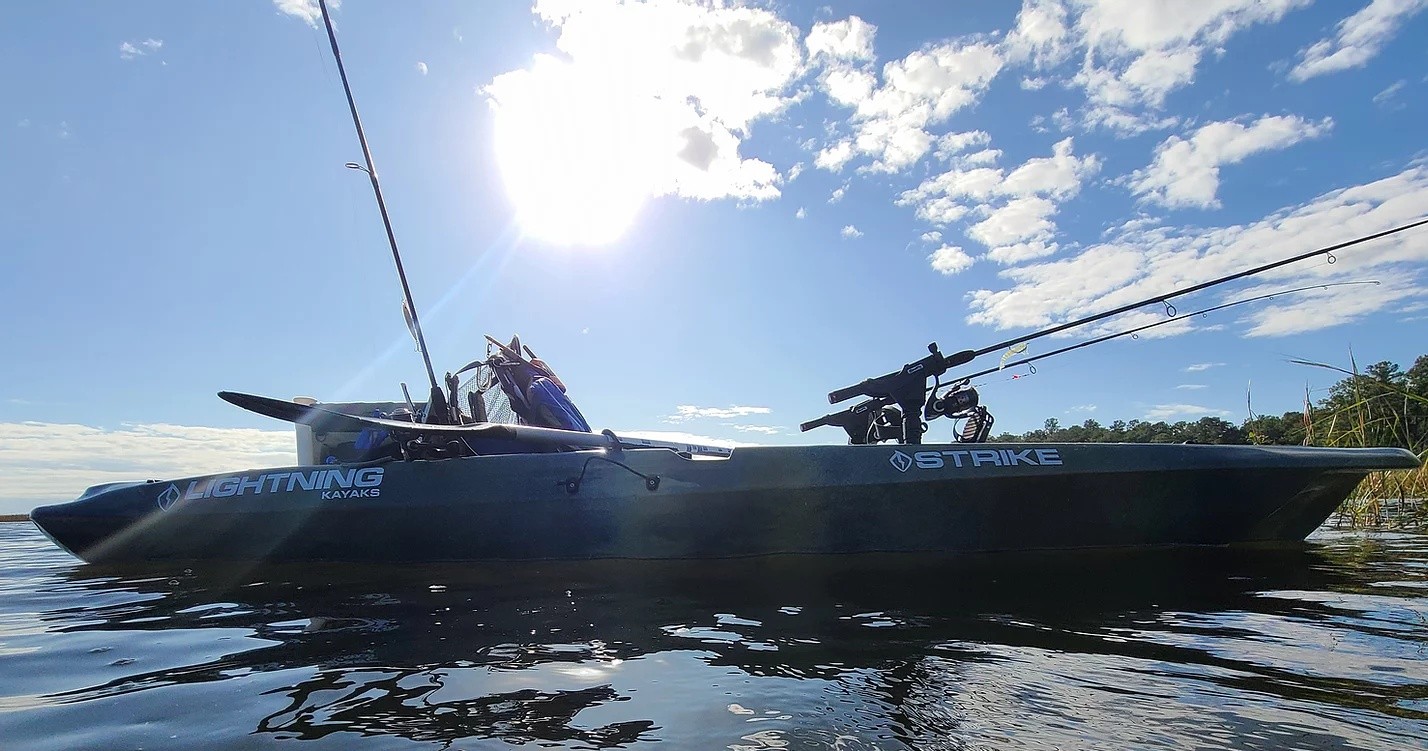
Practicality is a theme here. Ridgeville paddling routes favor half-day outings and customizable loops rather than long coastal passages. That makes them well suited to mixed groups: families, anglers chasing bass and panfish, photographers, and paddlers testing brackish-water skills before heading to more exposed South Carolina waterways. For travelers who pair paddling with other Lowcountry pursuits, Ridgeville makes a logical base: short drives put you on forest trails and gravel roads for biking, or at nearby preserves for short hikes and wildlife viewing. Local outfitters and launch points commonly support shuttle service, basic rental gear, and seasonal guided tours focused on ecology or fishing—so if you’re new to reading tide tables or scouting shallow channels, you can hire local expertise.
But plan smart. The same sheltered waters that make Ridgeville approachable can hide low-water hazards after dry spells, and tidal influence can affect some routes—so timing matters. Summer heat and humidity demand early starts; spring rains can quicken flows and deepen creeks; fall brings stable weather and excellent visibility. With modest planning—checking local launch conditions, packing sun and insect protection, and choosing the right craft for shallow or tidal water—Ridgeville offers loamy, low-key paddling that’s rich in birdlife, friendly to novices, and satisfying for experienced paddlers looking for peaceful, photo-ready runs.
Short excursions and flexible routes are the norm. Expect paddle times of one to four hours for most recommended outings; loops and point-to-point shuttles are common. Because many access points are on smaller local roads, early arrival often secures the best parking and the quietest launch experience.
Complementary activities are within easy reach: stand-up paddleboarding on calm ponds, shoreline fishing for bass and panfish, and trail runs or gravel rides through nearby woodlands. Guided eco-paddles connect paddling with natural history, making Ridgeville an appealing stop for travelers wanting both movement and interpretation.
Choose by purpose
Whale watching, snorkeling, sunset sailing, cultural canoeing, harbor sightseeing, or private chartering.
Start near the city
Waikiki and Honolulu Harbor are primary hubs, with some trips launching near Hanauma Bay.
Confirm the vessel
Gangways, shaded seating, and boarding requirements vary according to vessel size and operator.