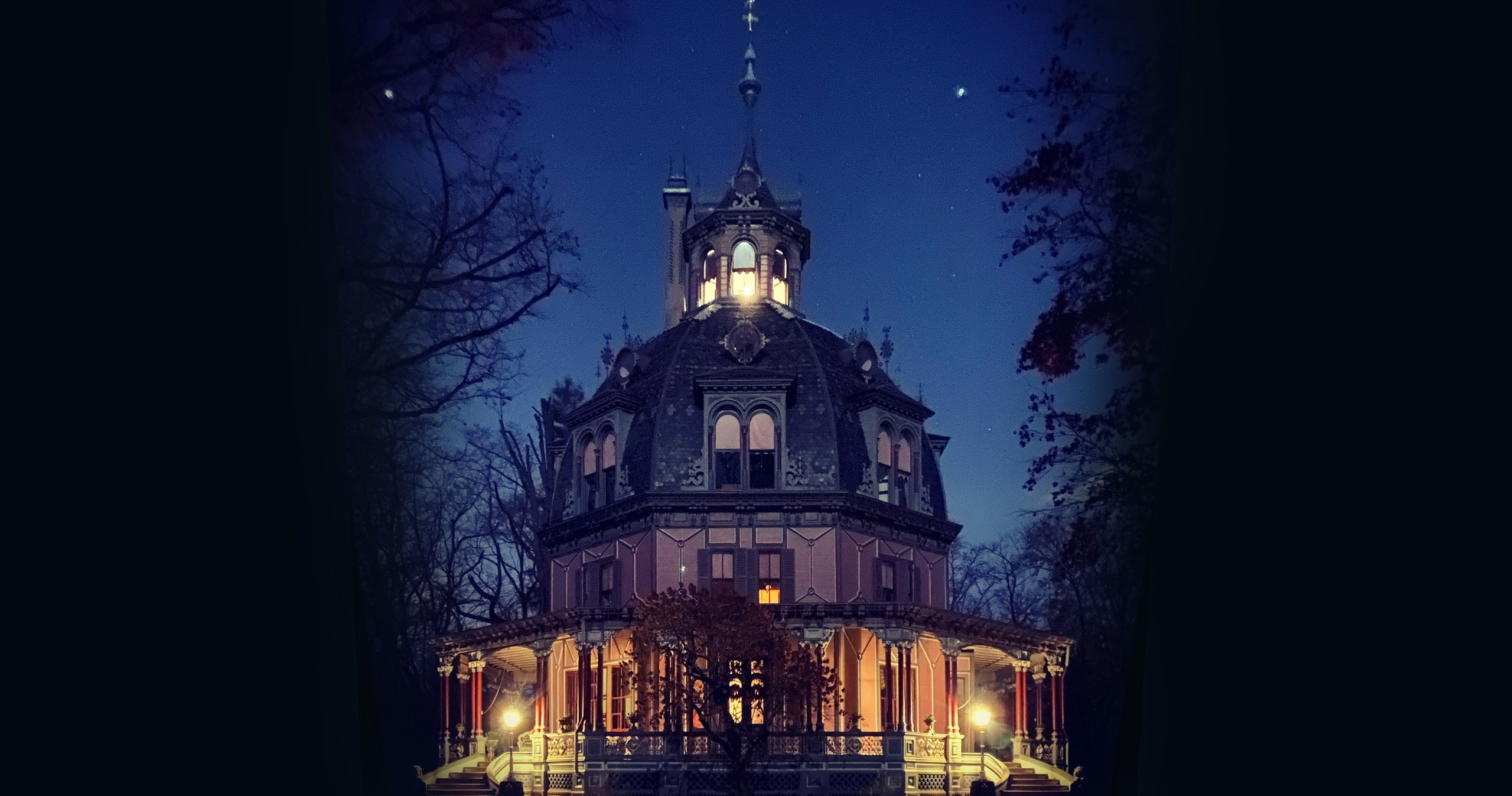
Why Scarsdale Is a Distinct Photography Tour Destination
Scarsdale’s appeal to photographers is quiet but resolute: it rewards attention. Unlike sweeping national parks that demand long treks and wide-angle lenses, Scarsdale offers a curriculum in small-scale observation—how light pools on a porch, how a curved stone wall leads the eye, the interplay between cultivated gardens and wild understory. The village’s human scale means composition lessons are immediate. Street lines, stoops, lanterns, and period architecture create layers that read well in both color and monochrome. Early morning and late afternoon light are especially flattering here: low-angle sun softens brick and stone, filters through the canopy, and creates long shadows that give depth to architectural subjects.
There’s also a strong seasonality to visits. Spring delivers flowering magnolias and daffodils that frame residential scenes; summer brings dense green canopies that make for shaded, high-contrast street photography; autumn is the local high season for color, when maples and oaks ignite neighborhood compositions and preserve trails in saturated tones; and winter, while quieter, offers crisp low-light mornings and the chance for stark, minimalist frames when snow reduces visual clutter. Because Scarsdale sits within commuting distance of New York City, it’s a practical destination for workshop leaders and attendees looking for day-long guided tours without the travel overhead. This proximity also shapes the types of tours on offer: many operators specialize in short, theme-driven sessions—architectural details, portrait-friendly village walks, or golden-hour pond reflections—rather than multi-day wilderness expeditions.
Beyond pure aesthetics, Scarsdale’s parks and preserves provide complementary nature-focused experiences. Nearby riparian corridors and small ponds attract songbirds and seasonal waterfowl, useful for telephoto practice or combined birding-and-photography outings. The built environment and green spaces intersect frequently: small meadows, hedgerows, and municipal gardens sit adjacent to sidewalks and public squares, making it easy to switch from landscape framing to environmental portraits within a single stop. For travelers, that versatility means one itinerary can satisfy a range of goals—improving technique, building a portfolio of local architecture, or creating evocative seasonal imagery—without requiring specialized gear for long hikes. Finally, local culture—the weekly markets, holiday displays, and village events—adds a human layer to photographic storytelling, so plan visits to overlap with community rhythms if you want to capture life as it unfolds.
Scarsdale’s compact layout makes it especially suitable for guided photography tours that focus on craft: composition, light management, and narrative sequencing. Small-group workshops can move fluidly between built and natural settings, offering strong learning outcomes for photographers at all levels.
Because many shooting locations are on public streets or in small preserves, access is straightforward, but considerations like property privacy, municipal rules, and seasonal closures still matter—especially for tripod-heavy setups or commercial shoots.
Choose by purpose
Whale watching, snorkeling, sunset sailing, cultural canoeing, harbor sightseeing, or private chartering.
Start near the city
Waikiki and Honolulu Harbor are primary hubs, with some trips launching near Hanauma Bay.
Confirm the vessel
Gangways, shaded seating, and boarding requirements vary according to vessel size and operator.