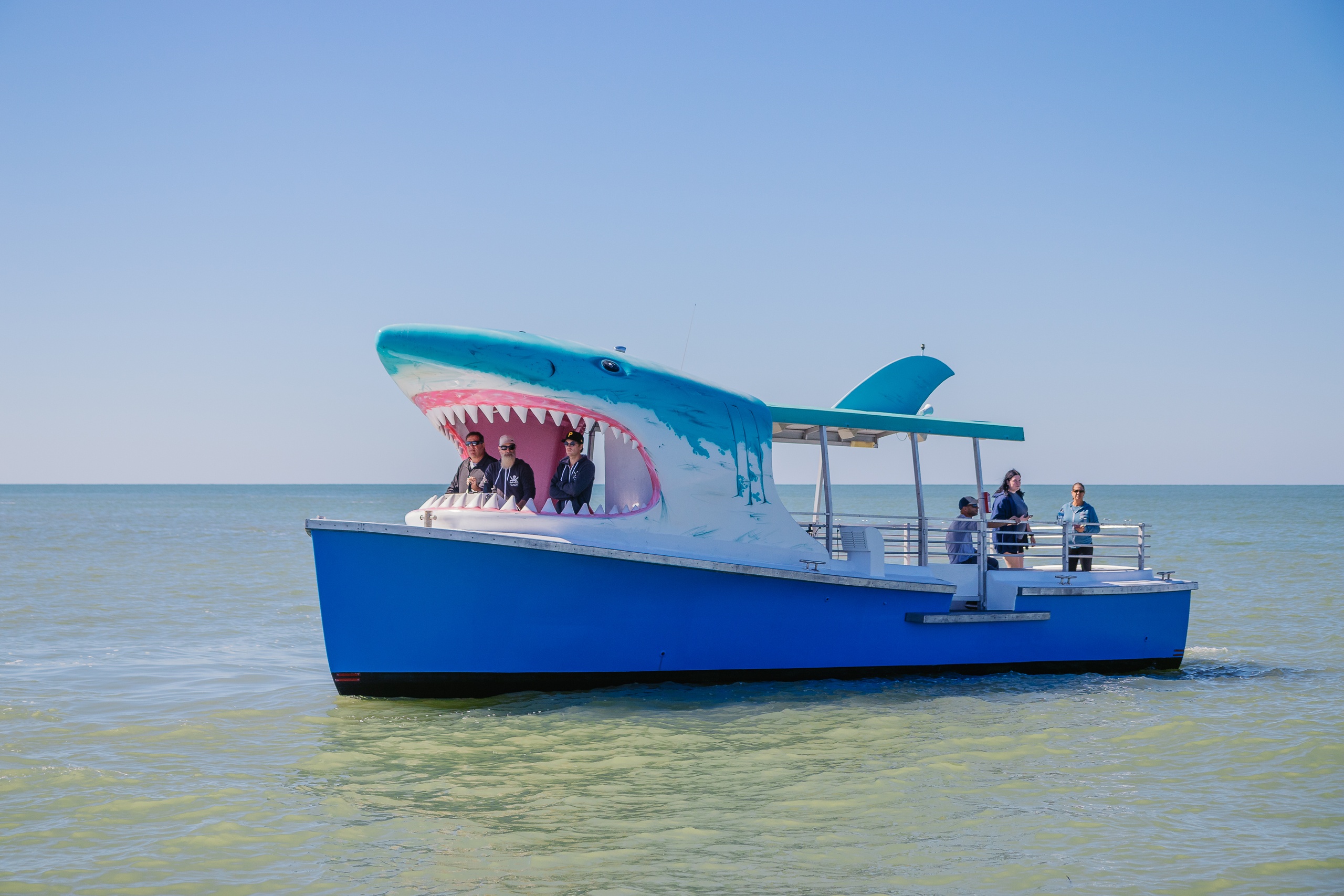
Why Seminole Is a Standout Dolphin-Watching Destination
There is an intimacy to dolphin watching in Seminole that sets it apart from the larger, bustle-filled harbor cruises of neighboring cities. Here the water is calmer, the channels narrower, and sightings often unfold as a quietly choreographed sequence: a dorsal fin arcs, a group slips through a mangrove chute, a juvenile surfaces with a curiosity that seems to measure the humans watching from a respectful distance. Seminole’s geography—low, sheltered estuaries feeding into the broader sweep of Tampa Bay—creates a mosaic of habitats dolphins use for feeding, socializing, and moving between deeper and shallower water. For travelers who prize close observation and slow, wildlife-focused outings, Seminole feels like a place built for watching rather than spectacle.
That intimacy translates into choice. You can join a small-boat eco-tour that follows the local pods along the Intracoastal Waterway, paddle a kayak quietly into narrow inlets where mothers and calves sometimes linger, or opt for a guided photography cruise timed for the warm, golden light of early evening. Each approach offers a different perspective: from shore, you’ll get silhouetted profiles against the bay at sunset; from a kayak, the experience is tactile—the sound of paddle strokes, the low plash of a dolphin breaking water nearby; from a larger vessel, guides can read charts and tidal patterns to place you where prey concentrates. Importantly, Seminole’s tours tend to emphasize responsible viewing. Local operators, many family-run, prioritize keeping distance, minimizing wake, and never encouraging dolphins to beg or approach boats. The result is a quieter, more natural encounter that rewards patience and careful observation.
Beyond the immediate thrill of seeing these animals, dolphin outings in Seminole are an entry into local natural history. The estuary ecology—seagrass beds, oyster bars, and mangrove roots—supports fish populations that in turn shape dolphin behavior. Seasonality and weather matter: calm spring and summer mornings can concentrate surface activity, while transitional months can bring big feeding frenzies when baitfish migrate. Visiting with an informed guide enriches the experience; expect to learn about pod structure, calf-rearing, and conservation issues like water quality and boat strikes that affect local populations. For photographers and quiet naturalists alike, Seminole’s low-profile bays provide an unusually readable stage where patterns of dolphin life are visible at human scale, and where the experience is as much about place—the hush of mangroves, the glint of light on shallow water—as it is about the animals themselves.
Small craft and non-motorized options (kayak, paddleboard) let you get close without the noise or wake of larger vessels, making them ideal for quiet observation and photography.
Local guides emphasize responsible viewing: maintaining distance, avoiding cornering pods, and prioritizing animal welfare over photo opportunities.
The harbor is the gateway, and the Pacific becomes the classroom.
Dolphin behavior is tied to tides and baitfish movement—early mornings and slack tides often deliver the clearest, most active sightings.
Choose by purpose
Whale watching, snorkeling, sunset sailing, cultural canoeing, harbor sightseeing, or private chartering.
Start near the city
Waikiki and Honolulu Harbor are primary hubs, with some trips launching near Hanauma Bay.
Confirm the vessel
Gangways, shaded seating, and boarding requirements vary according to vessel size and operator.