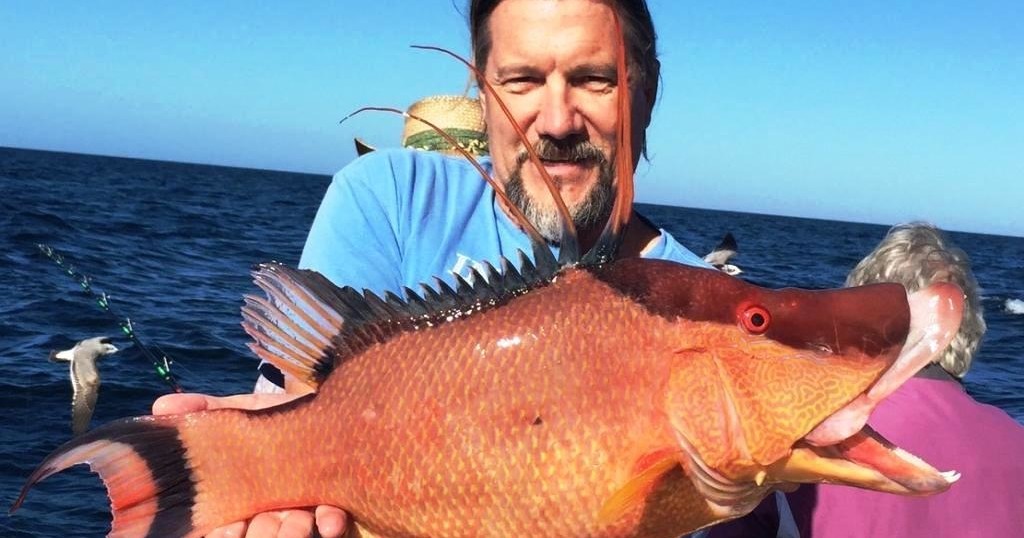
Seminole occupies a sweet spot in the Tampa Bay mosaic: it's small, residential, and fringed by waters that are exceptionally productive for inshore anglers. The city's immediate environs—Boca Ciega Bay to the west, a braided network of canals and mangrove shorelines, and the sheltered coves around Lake Seminole Park—create a patchwork of habitats. Seagrass flats, oyster bars, mangrove fringes, and deeper tidal channels all congregate within short runs from local launch points. That diversity means you can chase spotted seatrout one morning in a shallow grass flat and switch to a dock-and-pier session targeting snook or sheepshead by evening.
What gives Seminole its particular character is accessibility. Where larger coastal towns require long drives for variety, here the variety is almost immediate: half-day kayak trips and shoreline sessions sit alongside full-day charters that slip their lines on nearshore reefs in less than an hour. For travelers, that translates to flexible planning—cast from a city pier before breakfast, switch to a guided inshore trip in the afternoon, and still have time for sunset beachcombing at Indian Rocks or a diner meal of the day's catch.
This proximity also connects the angling experience to the region's ecological story. Tampa Bay's estuaries are nurseries; juvenile snook, redfish, and tarpon use the mangroves and seagrass beds as refuge. Patches of living seagrass and restored oyster bars have been the focus of local conservation efforts, and anglers who visit Seminole often find themselves learning about habitat restoration and seasonal protections along the way. Respecting these systems—by using circle hooks for catch-and-release, avoiding prop scarring in shallow grass, and following posted closures—keeps the fisheries healthy and ensures the same productive waters for future trips.
Culturally, Seminole slots into a larger Gulf-coast angling tradition: family pier nights, morning bait runs to the local tackle shop, and a strong charter scene that caters to both first-timers and experienced trophy hunters. Species rhythms give the year a rhythm: spring and early summer bring the tarpon runs and peak baitfish activity, warm months amplify mangrove-edge action for snappers and mangrove reds, and the mild winters are prized for comfortable flats fishing and steady trout bites. For the traveler who wants to combine casting with kayaking, birding, or a short beach escape, Seminole is a compact base that rewards both careful planning and whimsy—pack a light rod or a short kayak and be ready to pivot based on tides and weather.
Seminole's shoreline configuration concentrates productive microhabitats within short distances, so anglers spend time fishing, not running.
The area supports a healthy mix of species—inshore gamefish, accessible reef snapper, and freshwater catches in local lakes and canals.
The harbor is the gateway, and the Pacific becomes the classroom.
Local conservation and habitat-restoration work have improved juvenile nurseries, enhancing long-term fishing opportunity.
Complementary activities—kayak paddling, shorebird watching, and shallow-water snorkeling—pair naturally with angling days.
Choose by purpose
Whale watching, snorkeling, sunset sailing, cultural canoeing, harbor sightseeing, or private chartering.
Start near the city
Waikiki and Honolulu Harbor are primary hubs, with some trips launching near Hanauma Bay.
Confirm the vessel
Gangways, shaded seating, and boarding requirements vary according to vessel size and operator.