Top 12 Bike Tours in Triangle, Virginia
Triangle Bike Tour Guide

Top 12 Bike Tours in Triangle, Virginia

Triangle's quiet backroads, riverfront stretches, and forest-carved gravel offer surprising variety for bike touring within an easy drive of the D.C. metro area. This guide highlights short scenic loops, gravel and mixed-surface rides, and easy overnight touring options that showcase coastal plain woodlands, historic river towns, and wide skies.

Prince William Forest ParkOccoquan RiverDumfries Historic DistrictQuantico & Scenic Backroads

Live destination inventory

Top Bike Tour Trips in Triangle

12 trips · Book with confidence · Instant confirmation

The prototype intentionally does not invent replacement trip cards or add images that are not already part of the live source page.

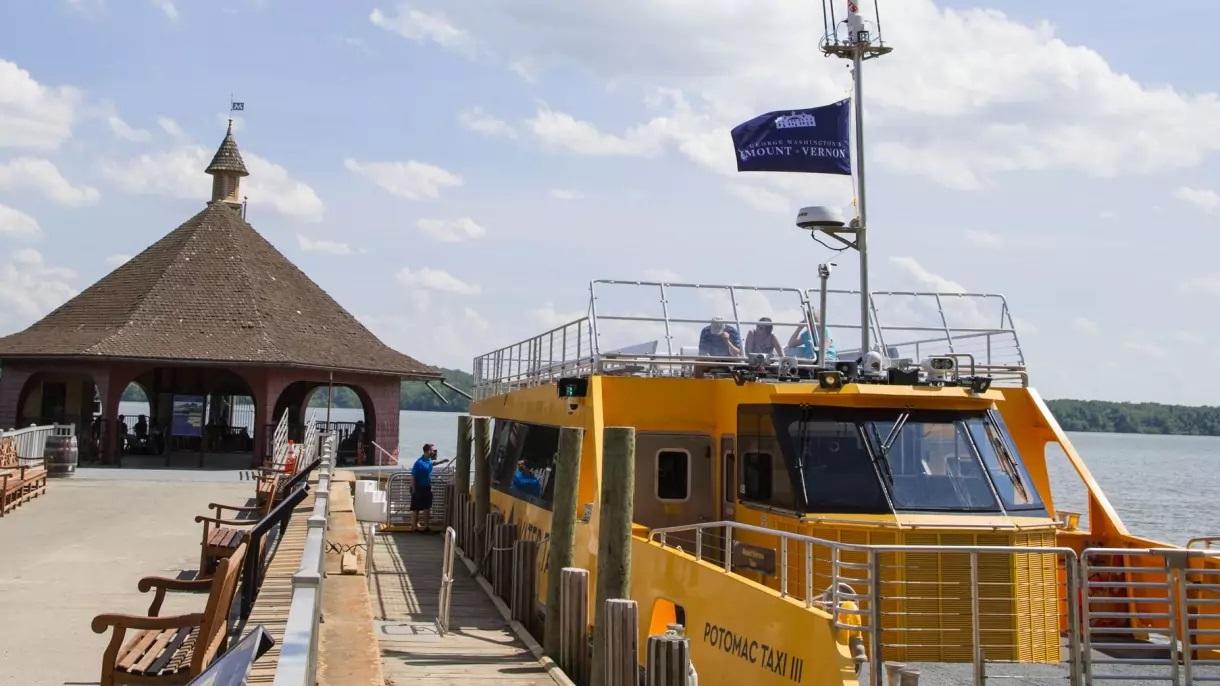
The city from the water

Why Triangle Is a Standout Bike Touring Destination

Nestled on the coastal plain where the Southern Piedmont relaxes into river flats, Triangle, Virginia, is an easy-to-understand secret for bike tourers: the roads are quieter than the nearby interstate corridors, the trees close in to create long shaded stretches, and the small historic towns give incremental rewards—coffee, a porch, a riverside view—every 10–20 miles. Riding here leans into contrasts. One minute you're pedaling a smooth state route past cottonwoods and farm fields; the next you're descending into the hush of Prince William Forest Park on narrow, gravelly service roads that read like a different region entirely. That mix—paved connectors, gravel spurs, short stretches of two-lane rural highway, and long riverside greenways—makes Triangle an ideal place to experiment with mixed-surface touring without committing to remote multi-day logistics. For cyclists who prize scenery and calm over elevation profiles, Triangle delivers. The terrain is forgiving: long, rolling grades rather than sustained climbs, which keeps focus on cadence and conversation rather than technical effort. The Occoquan River and its tributaries shape ride routes with scenic turnarounds, quiet fishing docks, and picnic spots. History threads through the landscape—Dumfries' colonial streets, Civil War markers in nearby parks, and the long military presence at Quantico add cultural waypoints that make even a short day ride feel like a journey. Accessibility is another practical advantage: Triangle sits within an hour of Washington, D.C., and is a straightforward hop from I‑95, making it possible to stage bike tours or weekend escapes with minimal driving and flexible logistics. Seasonality and surface conditions are central to planning here. Spring and fall offer the most comfortable temperatures and the best light for long rides; summer brings heat and afternoon storms, and winter can be wet and chilly rather than snowy. Road crews maintain main connectors but expect variable shoulder widths and occasional gravel patches on rural backroads. For riders, that means a sweet spot for gravel bikes, adventure bikes, or well-equipped road bikes with wider tires. You can pair a day ride with river paddling, a museum stop in Dumfries, a short hike in the forest park, or an easy overnight at a B&B—Triangle's scale invites modular itineraries. In short: if your idea of a bike tour is deliberate, scenic, and low‑stress with a side of local history, Triangle is a compact, flexible place to build one.

Accessible variety: short morning loops, half-day gravel circuits, and gentle overnight tours are all feasible within a 30–50 mile radius.

Local flavor: historic towns, river access, and quiet roadside eateries make it easy to stitch cultural stops into a ride.

Activity focus

Choose by purpose

Whale watching, snorkeling, sunset sailing, cultural canoeing, harbor sightseeing, or private chartering.

Departure hubs

Start near the city

Waikiki and Honolulu Harbor are primary hubs, with some trips launching near Hanauma Bay.

Accessibility

Confirm the vessel

Gangways, shaded seating, and boarding requirements vary according to vessel size and operator.
Seasonal planning

Best Time to Visit

Triangle is warm year-round, but wind, swell, migration, visibility, and demand change the best match between traveler and trip.

Triangle boat tour
Year-round destination

Seasonal highlights change the reason to go

Winter favors humpback encounters; warmer, calmer months favor snorkeling visibility and smoother water.

Humpback season

Late April–October weekend mornings see the most riders and families on popular loops.

Prime whale watching, winter holidays, higher demand, and earlier sell-outs.

Snorkeling window

April–May–September–October

Typically gentler seas and clearer water for snorkeling trips.

Weather notes

Trade winds year-round

Spring and fall provide moderate temperatures and lower humidity—ideal for longer miles. Summers are hot and humid with frequent afternoon thunderstorms; winter is cool and wet but often rideable on milder days. Check local forecasts for river fog in early mornings during spring.

Quieter opportunities

Late spring & summer weekdays

Winter and early spring can offer solitude on gravel spurs and lower accommodation rates; shorter daylight requires planning but roads remain mostly passable.

Match the trip to your comfort

Choose Your Experience Level

Low effort

Beginner

Short paved loops (10–20 miles), low elevation, mostly flat to rolling roads—good for casual riders and families.

  • Occoquan River greenway family loop
  • Dumfries historic district short spin
  • Easy riverside out-and-back
Active day trip

Intermediate

Longer day tours (30–60 miles) that mix secondary roads and maintained gravel with basic navigation skills.

  • Prince William Forest Park perimeter loop
  • Riverside-to-farm backroad circuit
  • Gravel-and-pavement mixed 40–50 mile route
Longer or technical

Advanced

Endurance rides or multi-day self-supported tours combining remote service roads, extended mileage, and logistics for overnight stays.

  • Multi-day coastal-plain touring loop with B&B stops
  • Extended gravel tour into adjacent county backroads
  • Long-distance training rides linking Triangle to regional trail systems

Prepare for sun, spray, and swell

What to Bring

Essential

Core kit

  • Helmet and high-visibility clothing
  • Spare tube, patch kit, and mini-pump or CO₂
  • Hydration (2–3 liters for hot days) and electrolyte snacks
  • Compact multi-tool and chain quick-link
  • Phone with charger and offline route map
Recommended

Useful extras

  • Tires rated for mixed surfaces (28–42 mm depending on bike)
  • Light waterproof layer and windbreaker
  • Front/rear lights for early starts or low-visibility stretches
  • Small first-aid kit and sunscreen
  • Portable bike lock for short stops in towns
Optional

Trip-specific

  • Panniers or trunk bag for overnight gear
  • GPS bike computer or paper cue sheet
  • Binoculars for river birding
  • Compact camera or smartphone gimbal
Check park advisories and county road conditions before you go. Respect private property and watch for agricultural traffic on narrow lanes.

Insider Tips & Local Knowledge

Reserve whale-watching and popular sunset cruises well ahead during December–April.
Choose morning snorkeling departures for calmer seas and better underwater visibility.
For motion sensitivity, choose a larger vessel, sit mid-ship, and take preventative medication before boarding.
Do not touch coral or wildlife, avoid standing on reefs, and use reef-safe sunscreen.
Community-based operators may add context about traditional navigation and stewardship.
Arrive early for parking and check-in because Waikiki departure areas can be busy.

Planning questions

Frequently Asked Questions

There are limited on-site rental options directly in Triangle. Larger nearby towns and rental shops closer to the D.C. metro area will have road, gravel, and e-bike rentals—plan to pickup in advance or bring your own.
Top 12 Bike Tours in Triangle, Virginia
Ready for your bike tour adventure?

Browse 12 verified trips in Triangle.

Compare current availability and book with instant confirmation.

Explore Triangle bike tour