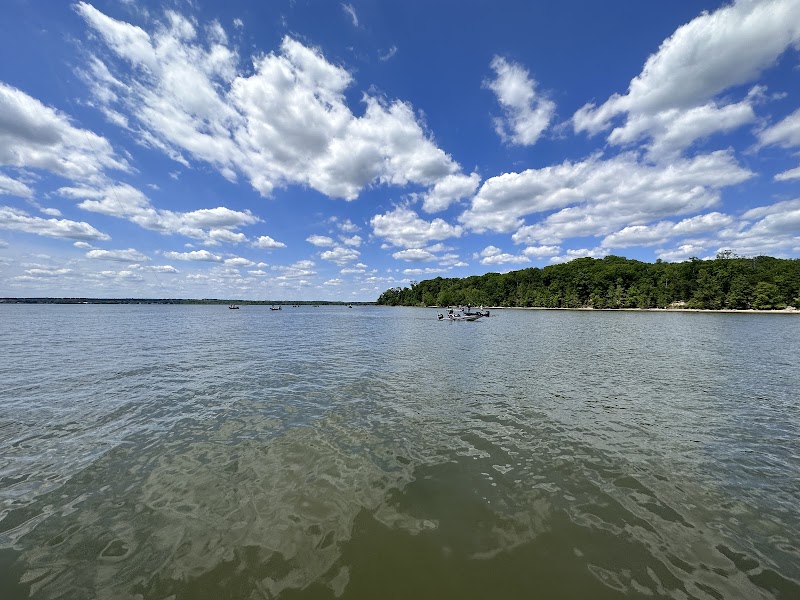
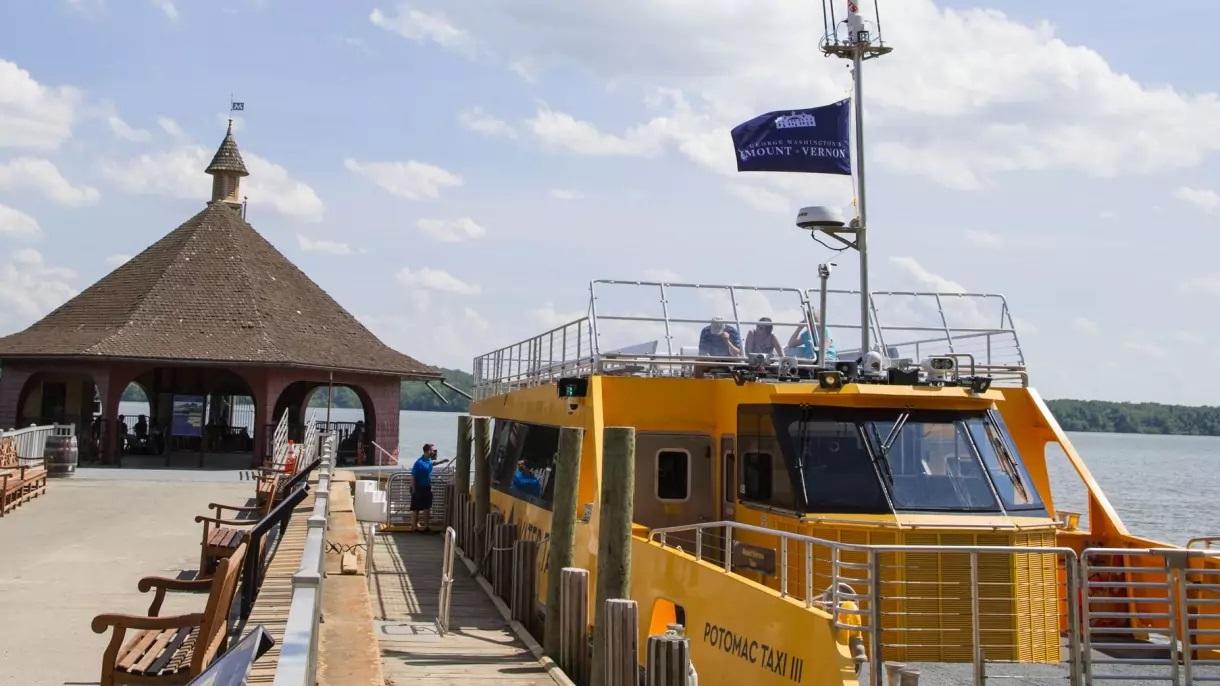
Triangle is a study in approachable contrasts: compressed pine-scented forest that opens to wide, tidal waterways; small-town streets that funnel into quiet, serviceable trailheads. Walk a shaded loop at Prince William Forest Park and you can, within an hour, be fastening a life jacket for a late-afternoon paddle on the Occoquan. That proximity—forest to river, trail to shoreline—makes Triangle a productive jump-off for travelers who want variety without long drives.
On any given weekend you’ll find itinerary-friendly options across the top 15 activity types: sightseeing tour buses that thread regional history with modern highlights; intimate city and walking tours of nearby towns that fold in foodie stops and local craft breweries; boat tours and boat rentals for slow-burn afternoons; kayak trips that push you into marsh-shadowed coves; and guided photography tours timed for soft light and migratory birds. If you prefer a self-directed day, bike rental and scooter options let you explore lane-friendly corridors and waterfront promenades; for anglers, accessible fishing spots make for an easy first-cast morning. These aren’t remote expeditions—Triangle’s activities skew toward approachable, service-led experiences (bus tours, boat rentals, eco tours) that reduce friction for travelers while still delivering a sense of place.
Practical advantages are obvious: short transfer times, a range of rental services for bikes, kayaks, and small boats, and a patchwork of short hikes and shoreline access points that can be combined into half-day or full-day loops. Seasonal shifts are readable here—spring and fall bring the most comfortable temps for walking tours, bike tours, and photography sessions; summer primes the water for paddling, boating, and fishing; winter’s cooler days still offer worthwhile eco tours and quiet trails for those who prefer fewer crowds. The final appeal is cumulative: Triangle is not a single headline attraction but a stitched itinerary you can assemble—walking tour, then a lunch stop, a late-afternoon kayak, and a photography session as the light softens—each piece accessible and satisfying on its own.
For planners, this means packing flexibility. Book a kayak or boat rental with a refundable pickup window; choose a guided boat tour when tides or currents are less predictable; and reserve photography or eco tours during shoulder seasons when guides can offer more personalized attention. Accessibility is also a practical highlight—many sites have short, well-marked approaches and multiple entry points, making Triangle suitable for families and mixed-ability groups. The overall tone here is low-risk, high-reward: modest infrastructure, high natural payoff, and an activity palette that includes everything from bus tour conveniences to bike-tour energy, from sightlines for photography to quiet spots for fishing and birding.
Because Triangle sits where suburban reach meets river corridor, you’ll find outfitters and rental options nearby—kayak and boat rental, bike rental, and guides for photography and eco tours. That infrastructure shortens prep time and amplifies the day’s value: arrive, gear up, and be on the water or trail within an hour.
Layer local touring with a regional lens. Combine a sightseeing or bus tour that covers nearby historic and cultural sites with an afternoon of water activities or a walking tour in a neighboring town. This mix is ideal for short-stay travelers who want to cross several boxes—nature, photography, light adventure, and local flavor—without overcommitting to any single discipline.
Triangle’s advantage is variety without surrendering the day to long transfers.