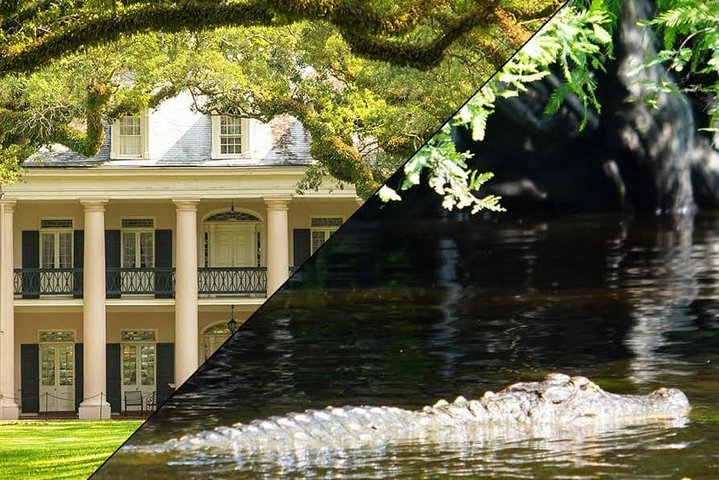
Vacherie fits into your soles like a story you read aloud: sentences of oak alleys, paragraphs of sugarcane fields, and a refrain of river wind. Walking here is intimate—no high vantage point can replace the hush under ancient live oaks, the chalky scent of levee clay, or the sound of distant motors on a barge. The town’s compact scale means that a half-day on foot can deliver architectural study, cultural context, and fragile ecological observation without a long drive.
Unlike urban walking tours that rely on streets and storefronts, Vacherie routes are anchored in landscape and memory. Plantation grounds—interpreted and interpretive—offer constructed narratives of Creole life, enslaved labor, and postbellum transitions. A walk along the Mississippi’s levee is less about manicured interpretation and more about perspective: the river’s scale, the engineering that tames and contains it, and the seasonal moods that define local livelihoods. Between these poles, narrow parish roads and back lanes punctuate an experience with glimpses of everyday Louisiana: smoke from a backyard pit, the geometry of rowed sugarcane, or a heron taking off from a drainage canal.
The appeal for walking-tourists is practical and emotional. Practically, Vacherie’s terrain is forgiving—flat, low-relief, and generally accessible—so you can focus on story rather than scrambling. Emotionally, each step invites a reckoning with layered histories and living cultures: Creole architecture and music, plantation economies and their legacies, and the ecological systems that sustain (and challenge) local life. Walking tours here are rarely just about sightseeing; they’re about situating oneself in a landscape that still feels worked and alive, where weather, crops, and river traffic narrate the pace of daily life. Whether your interest is photography, history, birding, or simply slow travel, Vacherie’s walking routes deliver an immersive, grounded experience.
Plantation grounds are the principal draws for walkers in Vacherie; their shaded alleys, formal gardens, and Creole cottages create concentrated, easy-to-navigate circuits ideal for interpretive tours. Many sites offer guided tours that add necessary historical context—visitors gain a clearer understanding of architecture, labor histories, and the people whose lives shaped the land.
Beyond the plantations, levee-top walks deliver a different mood: exposure, wind, and the constant presence of the Mississippi. These walks are best timed for morning or late afternoon when light softens and mosquitoes are less active.
The harbor is the gateway, and the Pacific becomes the classroom.
Complementary experiences include guided swamp boat trips (for glimpses of wetlands and wildlife), cycling on quiet parish roads, and seasonal festivals that enliven small-town squares. Combining a short walking tour with a paddle, birding session, or a visit to a local sugarcane operation deepens your sense of place.
Choose by purpose
Whale watching, snorkeling, sunset sailing, cultural canoeing, harbor sightseeing, or private chartering.
Start near the city
Waikiki and Honolulu Harbor are primary hubs, with some trips launching near Hanauma Bay.
Confirm the vessel
Gangways, shaded seating, and boarding requirements vary according to vessel size and operator.