Sailing in Vila Nova de Gaia, Porto — Estuary to Atlantic
Vila Nova de Gaia Sailing Guide

Sailing in Vila Nova de Gaia, Porto — Estuary to Atlantic

From the sheltered sweep of the Douro estuary to the open Atlantic just off the beaches of Vila Nova de Gaia, sailing here is a study in contrasts: calm, reflective mornings framed by terraced wineries and a bracing sea breeze that scours the coast by afternoon. Short charters, day sails, and multi-day coastal passages all find a home in Gaia’s marinas, where traditional rabelo boats share the water with sleek catamarans and compact day-sailors. This guide focuses on how to experience the water—route ideas, seasonal wind patterns, launch options, and ways to pair a day on the water with port wine cellars, coastal hikes, or surf breaks.

Douro River EstuaryAtlantic CoastlinePorto HarborBeaches & Cliffs

Live destination inventory

Top Sailing Trips in Vila Nova de Gaia

49 trips · Book with confidence · Instant confirmation

The prototype intentionally does not invent replacement trip cards or add images that are not already part of the live source page.

The city from the water

Why Vila Nova de Gaia Is a Standout Sailing Destination

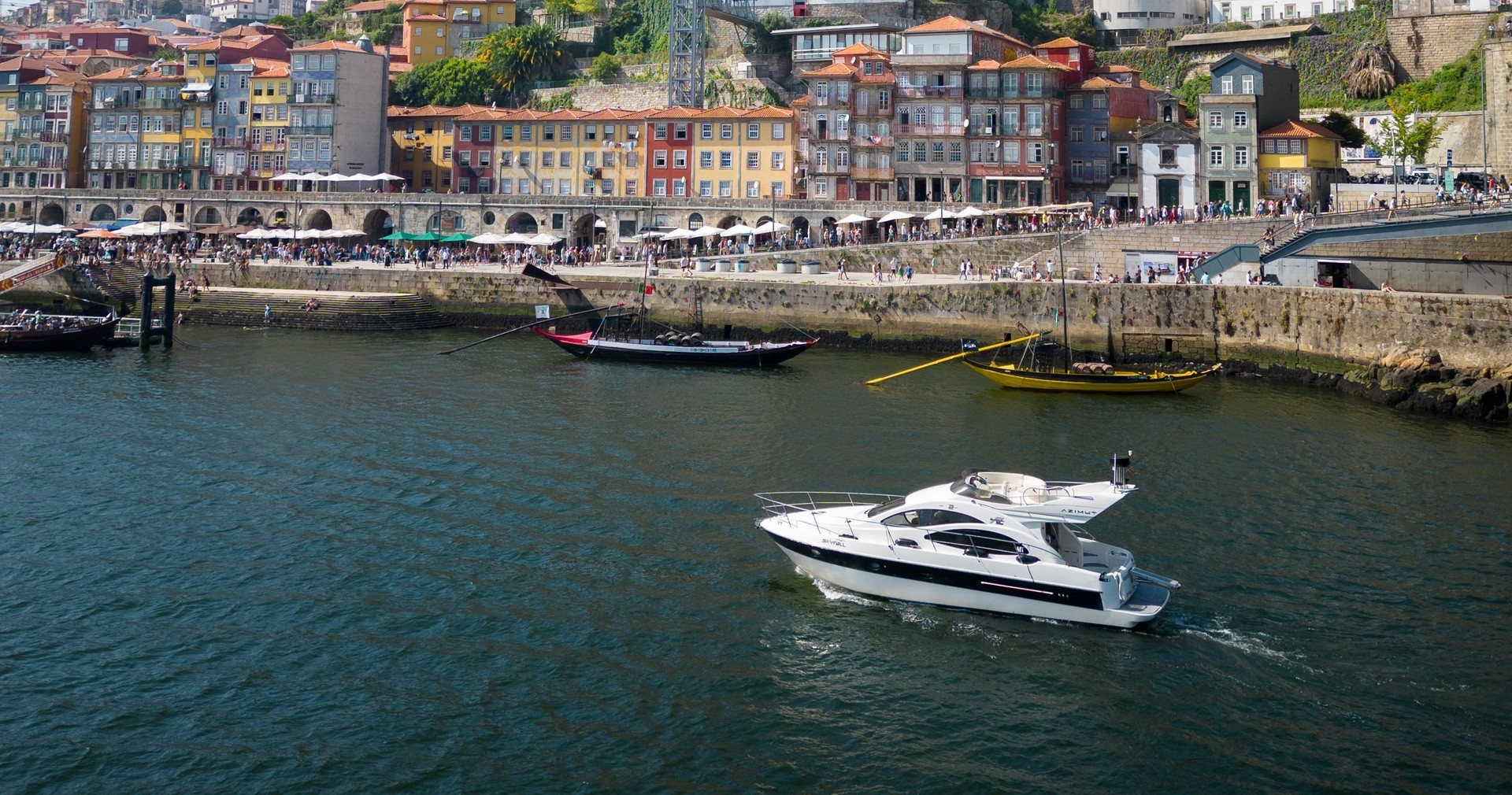
There are few places where an afternoon sail can feel like two separate journeys: one that slips quietly through centuries of river history, and another that opens into the raw Atlantic. From Vila Nova de Gaia’s riverside quays you can trace the Douro’s slow arc inland, past the low-slung warehouses of port wine exporters and terraced vineyards that climb the valley. The water here carries stories—of rabelo boats that once ferried barrels of tawny and vintage port, of commercial skippers navigating a shifting mouth where river meets sea. That history gives sailing on the Douro an unusual intimacy; even a short charter becomes a lesson in how landscape, economy, and tides have braided together. By contrast, a short run downriver and around the headland brings you to open water where the Atlantic breathes differently. The coastline by Gaia is dramatic in a restrained, Atlantic way: steep cliffs, a handful of broad sandy beaches, and a fishing-boat honesty that resists overtouristed gloss. Summer’s northerly 'Nortada' winds can build steady sailing conditions ideal for catamarans and keelboats, while shoulder seasons reward sailors with quieter harbors and a softer light that is irresistibly photogenic. Tidal movement at the Douro mouth requires attention—current can be noticeable—but it also creates variable, invigorating conditions for sailors who want to practice boat handling across tides. Practical access is part of the city’s charm. Multiple marinas and commercial operators run a mix of short scenic cruises, private charters, skippered lessons, and sunset sails that cross the city’s iconic skyline. Because Porto and Gaia are compact, you can combine a morning on the water with a cellar tour, a riverside lunch, and an afternoon surf lesson or coastal hike. For those plotting something longer, coastal passages north and south present sensible next legs: quiet anchorages, small fishing ports with local restaurants, and the chance to trade the bustle of the estuary for the solitude of a starry night anchored off a beach. For travelers, that combination of accessibility, range of conditions, and cultural texture makes Vila Nova de Gaia an especially useful base for sailors of varying appetites—families who want a calm estuarine cruise, day-sailors chasing steady summer winds, and competent crews ready to test a short open-water leg. The region’s maritime rhythms are readable and approachable, and with basic planning—watching tides, aligning with the Nortada, and choosing the right craft for the day—you can turn a simple outing into a memorable chapter of a Porto-area trip.

Historic context: sailing in the Douro ties directly to the port wine trade—the boats, the quays, and the warehouses all reflect a centuries-old river economy that remains visible from the water.

Terrain and conditions: expect two moods—calm, reflective estuary sailing and more exposed Atlantic conditions; both are easily accessible from Gaia’s marinas.

The harbor is the gateway, and the Pacific becomes the classroom.

Accessibility: short transfers from Porto, multiple operators with varying craft types, and the ability to combine sailing with food, culture, and coastal outdoor activities.

Activity focus

Choose by purpose

Whale watching, snorkeling, sunset sailing, cultural canoeing, harbor sightseeing, or private chartering.

Departure hubs

Start near the city

Waikiki and Honolulu Harbor are primary hubs, with some trips launching near Hanauma Bay.

Accessibility

Confirm the vessel

Gangways, shaded seating, and boarding requirements vary according to vessel size and operator.
Seasonal planning

Best Time to Visit

Vila Nova de Gaia is warm year-round, but wind, swell, migration, visibility, and demand change the best match between traveler and trip.

Vila Nova de Gaia boat tour
Year-round destination

Seasonal highlights change the reason to go

Winter favors humpback encounters; warmer, calmer months favor snorkeling visibility and smoother water.

Humpback season

July–August (steady winds and warm weather, higher demand)

Prime whale watching, winter holidays, higher demand, and earlier sell-outs.

Snorkeling window

April–May–June–July–August–September–October

Typically gentler seas and clearer water for snorkeling trips.

Weather notes

Trade winds year-round

Spring and early autumn deliver comfortable temperatures and manageable winds. Summer (July–August) brings steadier northerly winds ideal for sailing but also higher visitation; late autumn and winter are quieter but can produce rougher Atlantic conditions and shorter daylight hours.

Quieter opportunities

Late spring & summer weekdays

April–May and September–October offer milder crowds, pleasant sea states for mixed estuary and coastal sailing, and often better light for photography.

Match the trip to your comfort

Choose Your Experience Level

Low effort

Beginner

Skippered day sails in the estuary, short sunset cruises, and introductory lessons with calm water and minimal navigation demands.

  • Ribeira-to-Gaia estuary cruise
  • Sunset sail with a local skipper
  • Introduction-to-sailing lesson (half day)
Active day trip

Intermediate

Half-day to full-day coastal sails, basic navigation across the Douro mouth, and short open-water legs where wind handling and reefing skills are useful.

  • Coastal run to Matosinhos and back
  • Estuary-to-beach day sail with anchoring practice
  • Mixed estuary/open-water skippered charter
Longer or technical

Advanced

Overnight coastal cruising, passagemaking north or south along the coast, or self-skippered trips requiring tide and weather planning for open-Atlantic conditions.

  • Multi-day coastal cruise with anchorage stops
  • Open-water passages beyond the Douro headland
  • Skill-intensive practice: heavy-weather sail-handling and night passages

Prepare for sun, spray, and swell

What to Bring

Essential

Core kit

  • Non-marking deck shoes or grip sneakers
  • Windproof shell and layered clothing (temperature can drop on the water)
  • Sunglasses with UV protection and retainer strap
  • Sun protection: SPF, hat, and lip balm
  • Small dry bag for phone, wallet, and camera
Recommended

Useful extras

  • Light foul-weather jacket for spray and wind
  • Seasickness medication if you’re prone
  • Reusable water bottle and snacks
  • Quick-dry layers and a midweight fleece
  • Charged phone with local emergency contacts saved
Optional

Trip-specific

  • Binoculars for birding and coastal observation
  • GoPro or action camera with waterproof housing
  • Waterproof notebook for route notes or tide observations
  • Compact towel and a change of clothes for post-sail comfort
Confirm pickup points, tide windows, and cancellation policies before booking. Respect local traffic patterns—ferries and working boats share the water.

Insider Tips & Local Knowledge

Reserve whale-watching and popular sunset cruises well ahead during December–April.
Choose morning snorkeling departures for calmer seas and better underwater visibility.
For motion sensitivity, choose a larger vessel, sit mid-ship, and take preventative medication before boarding.
Do not touch coral or wildlife, avoid standing on reefs, and use reef-safe sunscreen.
Community-based operators may add context about traditional navigation and stewardship.
Arrive early for parking and check-in because Waikiki departure areas can be busy.

Planning questions

Frequently Asked Questions

No—many operators offer skippered charters and introductory sails suitable for beginners. If you want to crew, ask for a hands-on lesson option; for self-skippering you may need to show certification or demonstrable experience.
Sailing in Vila Nova de Gaia, Porto — Estuary to Atlantic
Ready for your sailing adventure?

Browse 49 verified trips in Vila Nova de Gaia.

Compare current availability and book with instant confirmation.

Explore Vila Nova de Gaia sailing