Top Surf Adventures in Vila Nova de Gaia, Porto
Vila Nova de Gaia Surf Guide

Top Surf Adventures in Vila Nova de Gaia, Porto

Vila Nova de Gaia sits along a patchwork of beaches and rocky outcrops that catch Atlantic swells with surprising variety. From forgiving beach breaks ideal for beginners to sandbanked peaks and more exposed reef-y sections a short drive away, Gaia is a practical, cinematic place to learn, progress, and nest surf days between wine cellar visits and riverside cafés. This guide focuses on riding the coastlines that face the wide ocean—where tides, winds, and shifting sandbars make every session a small study in local conditions—and how to plan, pack for, and get the most from surf trips here.

Atlantic CoastPraia de MiramarEspinhoFoz do Douro

Live destination inventory

Top Surf Trips in Vila Nova de Gaia

25 trips · Book with confidence · Instant confirmation

The prototype intentionally does not invent replacement trip cards or add images that are not already part of the live source page.

The city from the water

Why Vila Nova de Gaia Is a Standout Surf Destination

Vila Nova de Gaia wears surf like a practiced local—part daily ritual, part seasonal sport. The coast here is a short curriculum in Atlantic dynamics: open-ocean swells roll from the west and southwest, the Douro river mouth and longshore currents reshape sandbanks, and headlands break the swell into distinct beach and reef zones. That combination means sessions range from forgiving, waist-high rollers perfect for first stand-ups to hollow, punchy peaks that reward timing and local knowledge. What makes Gaia interesting is its accessibility. You can sleep within sight of port wine cellars, roll out to a beach lesson at sunrise, and still have hours left for a second session once the tide changes. The surf community is compact but active—local schools operate year-round, weekend lineups mix tourists and residents, and surf shops clustered near the coast make renting or swapping gear simple. For travelers who want to stitch surf into broader regional travel, Gaia is ideal: Porto’s cultural offerings are a five-minute bridge ride away, and the southern string of breaks—Granja, Miramar, Aguda, Espinho—creates options for different swell angles and abilities. Environmentally and culturally, Gaia’s coast reflects the human scale of Portuguese seaside life. Fishermen, surfers, and families share the sand; cafés and esplanadas open onto boardwalks. The coastline is sensitive—dune systems and coastal grasses buffer storm energy, and sandbanks migrate with each heavy swell—so tide-aware, low-impact behavior is essential. Respecting posted closures and avoiding crowded surf spots during peak local hours helps sustain access. For planning, the important rhythm is tide + wind + swell period. Autumn and winter (September–March) bring the longest-period swells—more power and a wider variety of breaks—but also stronger NW winds some days and cooler water that requires thicker wetsuits. Summer offers mellower, more frequent beginner-friendly days and warm seawater, making it the best time for lessons, longboarding, and relaxed progression. Ultimately, Vila Nova de Gaia rewards repeat visits: single-day snapshots are fun, but multiple sessions across tides reveal the coastline’s nuanced personalities—where a midday slop becomes a hollow gem at low tide, and how a four-hour drive north or south opens a completely new type of break.

The coastline near Gaia includes sandy beach breaks and short rocky points; nearby Espinho offers more powerful beach and reef setups for intermediate and advanced surfers.

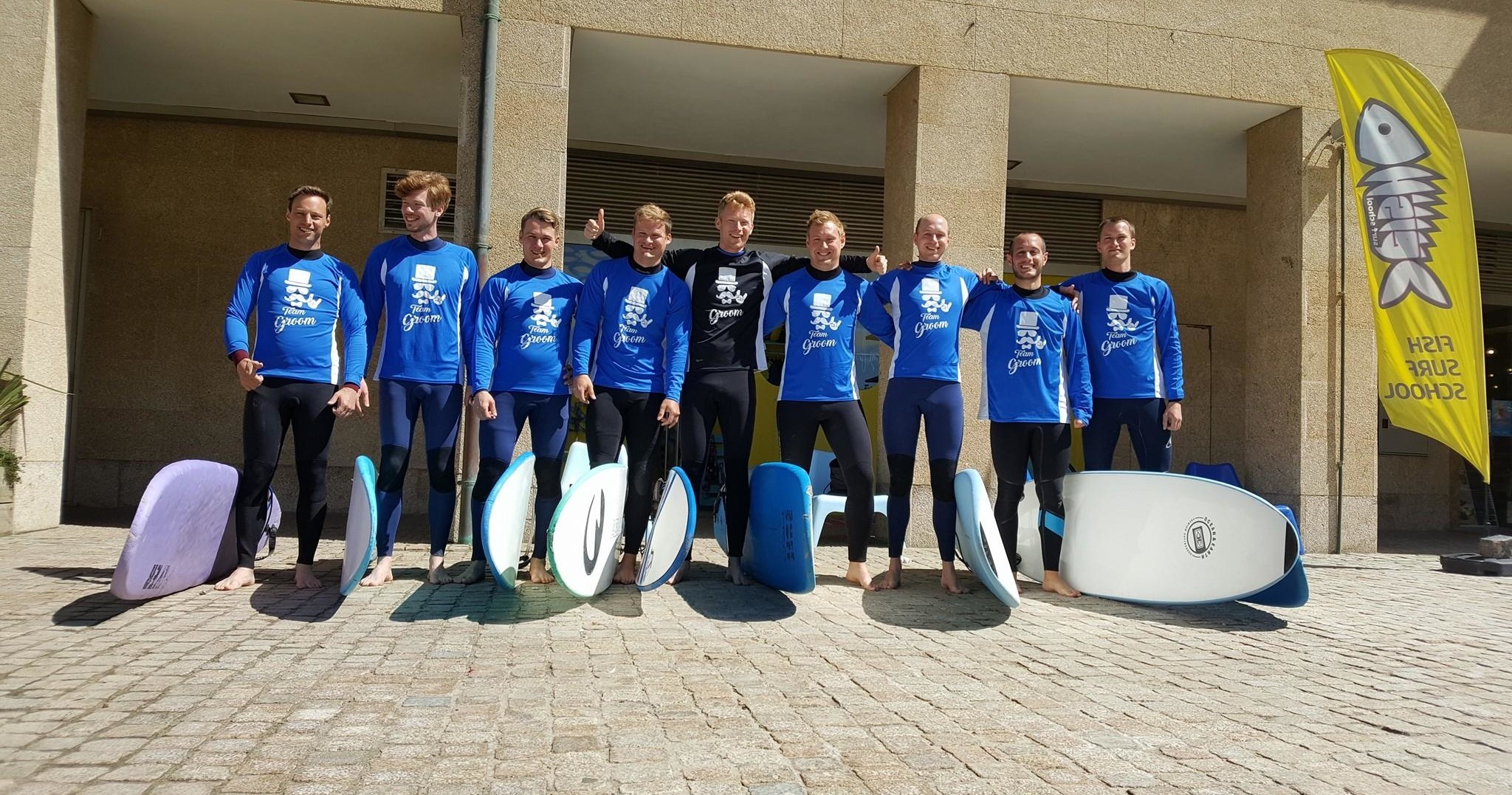
Local surf schools and board rental shops make it straightforward for visitors to book lessons or guided outings; many operate in English and other major languages.

The harbor is the gateway, and the Pacific becomes the classroom.

Tidal shifts and seasonal sandbanks reshape breaks quickly—check local surf reports and ask for recent on-the-ground conditions before paddling out.

Activity focus

Choose by purpose

Whale watching, snorkeling, sunset sailing, cultural canoeing, harbor sightseeing, or private chartering.

Departure hubs

Start near the city

Waikiki and Honolulu Harbor are primary hubs, with some trips launching near Hanauma Bay.

Accessibility

Confirm the vessel

Gangways, shaded seating, and boarding requirements vary according to vessel size and operator.
Seasonal planning

Best Time to Visit

Vila Nova de Gaia is warm year-round, but wind, swell, migration, visibility, and demand change the best match between traveler and trip.

Vila Nova de Gaia boat tour
Year-round destination

Seasonal highlights change the reason to go

Winter favors humpback encounters; warmer, calmer months favor snorkeling visibility and smoother water.

Humpback season

Autumn–winter swell season (October–March) brings the most consistent surf and higher local usage of prime breaks.

Prime whale watching, winter holidays, higher demand, and earlier sell-outs.

Snorkeling window

September–October–November–December–January–February–March

Typically gentler seas and clearer water for snorkeling trips.

Weather notes

Trade winds year-round

Autumn and winter deliver the most consistent, powerful Atlantic swells and larger swell periods; winds can pick up from the northwest and days are cooler. Late spring and summer offer smaller, cleaner waves and warmer water—better for lessons and relaxed sessions. Expect variable conditions; bring layers and a wetsuit suited to the season.

Quieter opportunities

Late spring & summer weekdays

Summer and shoulder months deliver mellow, small-wave days perfect for beginners, longboarders, and surf schools—also fewer crowds on weekdays.

Match the trip to your comfort

Choose Your Experience Level

Low effort

Beginner

Protected, gently breaking beach sections with soft takeoffs and long rides—ideal for first-time surfers and lessons.

  • Group beginner lesson at Praia de Miramar
  • Longboard rental and guided paddles on small summer swells
  • Progression clinics focusing on pop-ups and basic wave selection
Active day trip

Intermediate

Peaks with more power and faster sections that require improved timing, a smaller board range, and awareness of rip currents and tide effects.

  • Guided sessions at Granja and Aguda when swell increases
  • Tide-aware sessions to practice cutbacks and bottom turns
  • Intermediate workshops on duck-dives and paddle technique
Longer or technical

Advanced

Exposed beach and reef breaks that can close out or become hollow on bigger swells; local knowledge of rips and takeoff zones is crucial.

  • High-swell peaks near Espinho—with reef and shallow sandbank sections
  • Empty-lineups scouting days with a local guide
  • Tow-in or big-wave observation for safety and timing (when conditions permit)

Prepare for sun, spray, and swell

What to Bring

Essential

Core kit

  • Appropriate wetsuit (3/2mm to 5/4mm depending on season)
  • Leash and board suited to your ability (rent locally if needed)
  • Wax appropriate for water temperature
  • Towel and quick-dry change-layer
  • Basic first-aid items and sun protection (reef-safe sunscreen)
Recommended

Useful extras

  • Booties in colder months or when surfing rocky entries
  • Spare fin set and a repair ding kit
  • Earplugs if you’re sensitive to cold-water exposure
  • Local surf-app or tide chart bookmarked, and a portable phone charger
Optional

Trip-specific

  • Wetsuit hanger or foldable changing mat for beach changes
  • Small dry bag for keys and wallet
  • Action camera or helmet-cam for videoing sessions
Check local surf reports, tide charts, and wind forecasts before each session; speak to a local surf shop for recent sandbank conditions.

Insider Tips & Local Knowledge

Reserve whale-watching and popular sunset cruises well ahead during December–April.
Choose morning snorkeling departures for calmer seas and better underwater visibility.
For motion sensitivity, choose a larger vessel, sit mid-ship, and take preventative medication before boarding.
Do not touch coral or wildlife, avoid standing on reefs, and use reef-safe sunscreen.
Community-based operators may add context about traditional navigation and stewardship.
Arrive early for parking and check-in because Waikiki departure areas can be busy.

Planning questions

Frequently Asked Questions

Outside peak summer months, yes: water temperatures in north Portugal are cool. A 3/2mm is often sufficient in late summer, while autumn through spring may call for 4/3mm to 5/4mm suits, plus hood and booties on the coldest days.
Top Surf Adventures in Vila Nova de Gaia, Porto
Ready for your surf adventure?

Browse 25 verified trips in Vila Nova de Gaia.

Compare current availability and book with instant confirmation.

Explore Vila Nova de Gaia surf