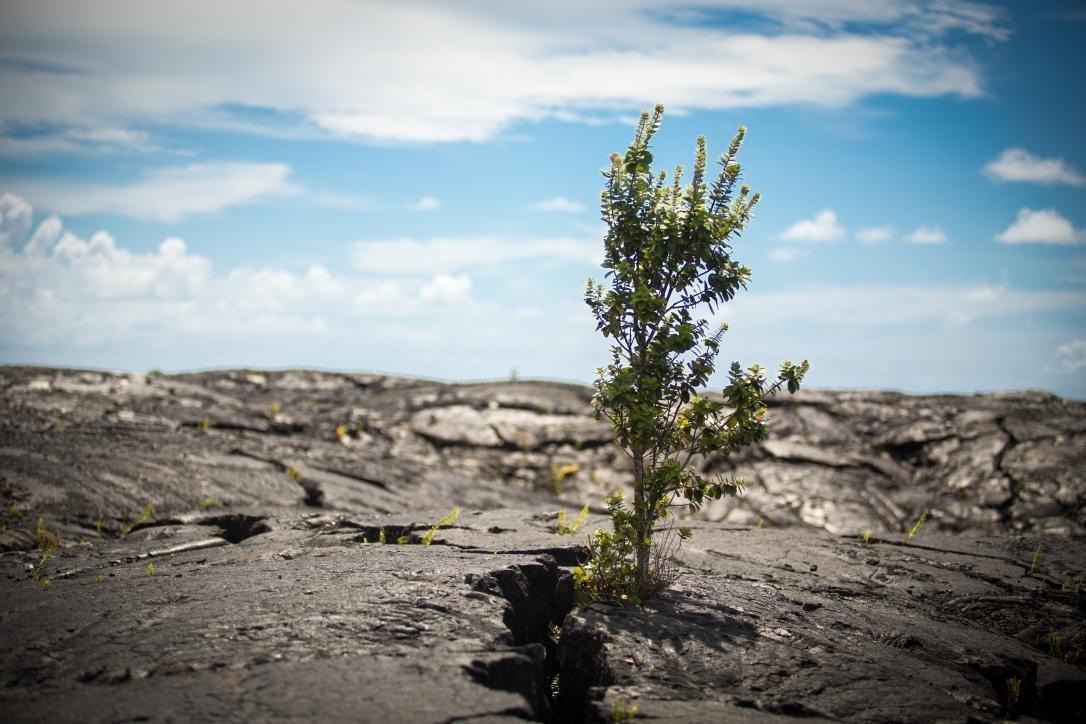
Waiākea’s hiking identity is shaped by water—streams, constant mist, and falls that swell without warning after mountain showers. On Hilo’s eastern flank, trade winds push moisture up the slopes, feeding a dense mosaic of cloud forest, fern groves, and ʻōhiʻa-dominated ridgelines. Trails here feel close: you pass under dripping leaves, skirt narrow gulches, and almost always hear water somewhere nearby. That intimacy makes hikes shorter but richer; a half-day route can deliver several distinct ecosystems, from lava-broken coastal benches to moss-draped upland trails where native birds still call.
There’s also a cultural layer to every step. Waiākea is part of a living ahupuaʻa system—land divisions that run from the mountains to the sea—so trails often intersect sites of cultural practice, taro lo‘i, and historic waterlines. Respect for these places matters: local guides and signage will point out wahi pana (storied places) and remind hikers of mālama ʻāina—care for the land. This perspective changes how you hike here. It’s not only a sequence of views but a chance to sense how communities have long read and used this landscape.
Terrain is varied but clear in its demands. Expect slick roots and mud on rainforest tracks, porous lava fields near the coast that can be sharp on poor footwear, and steep stream crossings after rain. Elevation changes are often sudden rather than prolonged: short, steep rises reward you with an overlook and then drop back into a gorge. Because of the island’s compactness, a day can quickly move from humid, sea-level humidity to cool, wind-swept ridgelines. That variability is part of the appeal—hikes feel layered, as if you’re moving through microclimates.
Complementary activities amplify the hiking experience. Waterfall swims and beginner canyoning make the water-centric routes more adventurous; birdwatching and botany walks are fruitful in the upland patches of native forest; a short drive opens access to Hawaii Volcanoes National Park for long volcanic traverses and black-sand coastal hikes. Practically, Waiākea is excellent for mixed itineraries: plan morning hikes for cooler, clearer weather, pair an easy waterfall loop with an afternoon of local markets in Hilo, and reserve a full day for any approach into the park. The result is a hiking destination that feels both relaxed and richly varied—perfect for travelers who want immediate access to wild, wet, and storied trail experiences.
The hiking network around Waiākea supports a range of outings: shaded waterfall loops and coastal strolls for beginners, mid-length ridge circuits that test footing and stamina for intermediate hikers, and full-day expeditions that connect to volcanic landscapes for advanced adventurers.
Because the region is shaped by frequent rain and rapid weather shifts, practical preparation—good traction, rain gear, and an awareness of stream conditions—transforms an unpredictable environment into a reliably rewarding one.
Choose by purpose
Whale watching, snorkeling, sunset sailing, cultural canoeing, harbor sightseeing, or private chartering.
Start near the city
Waikiki and Honolulu Harbor are primary hubs, with some trips launching near Hanauma Bay.
Confirm the vessel
Gangways, shaded seating, and boarding requirements vary according to vessel size and operator.