Why Waiākea Belongs on Your Island Itinerary
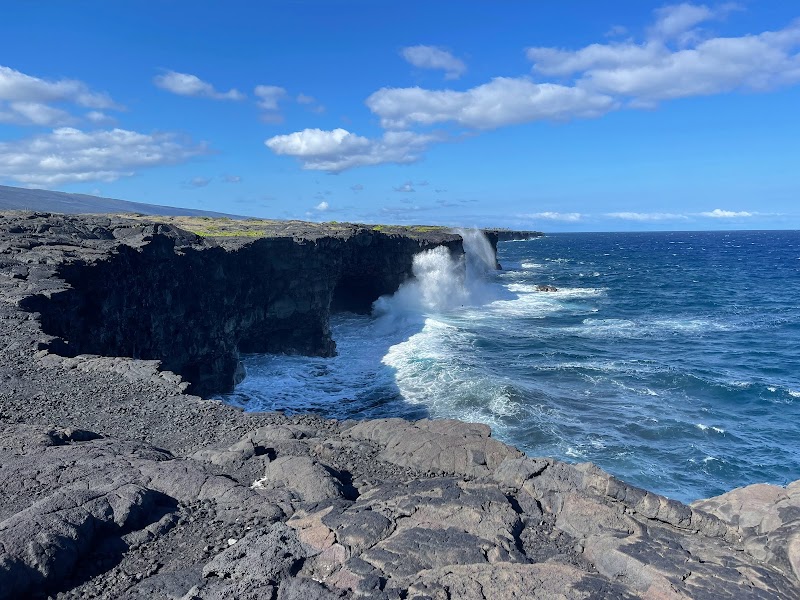
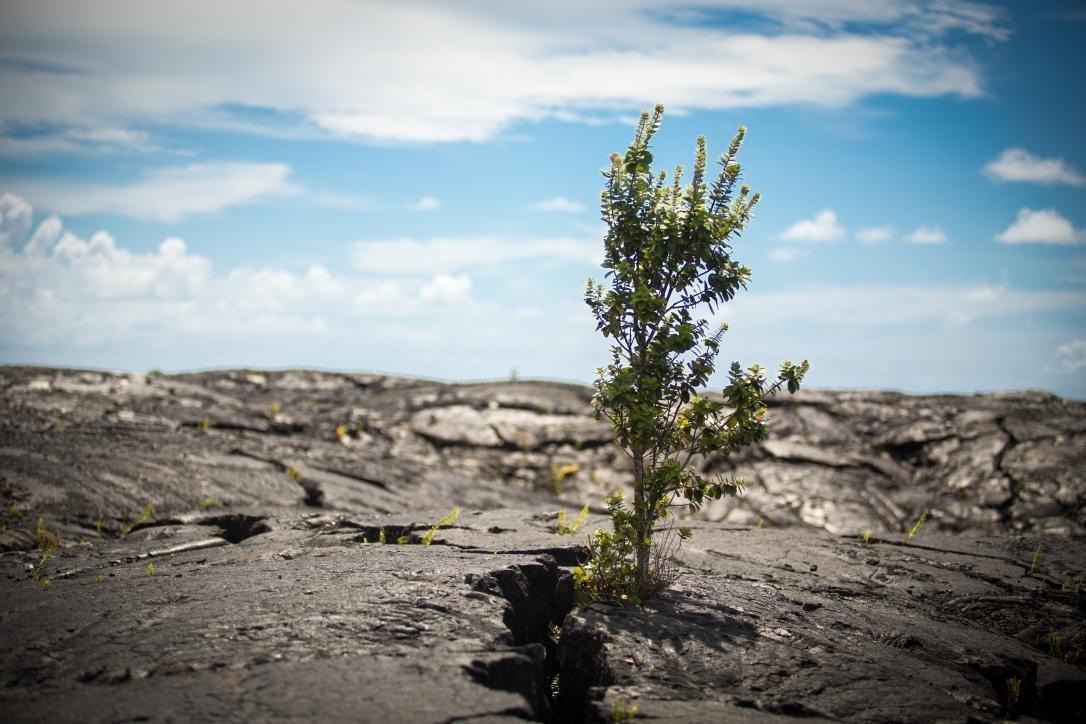
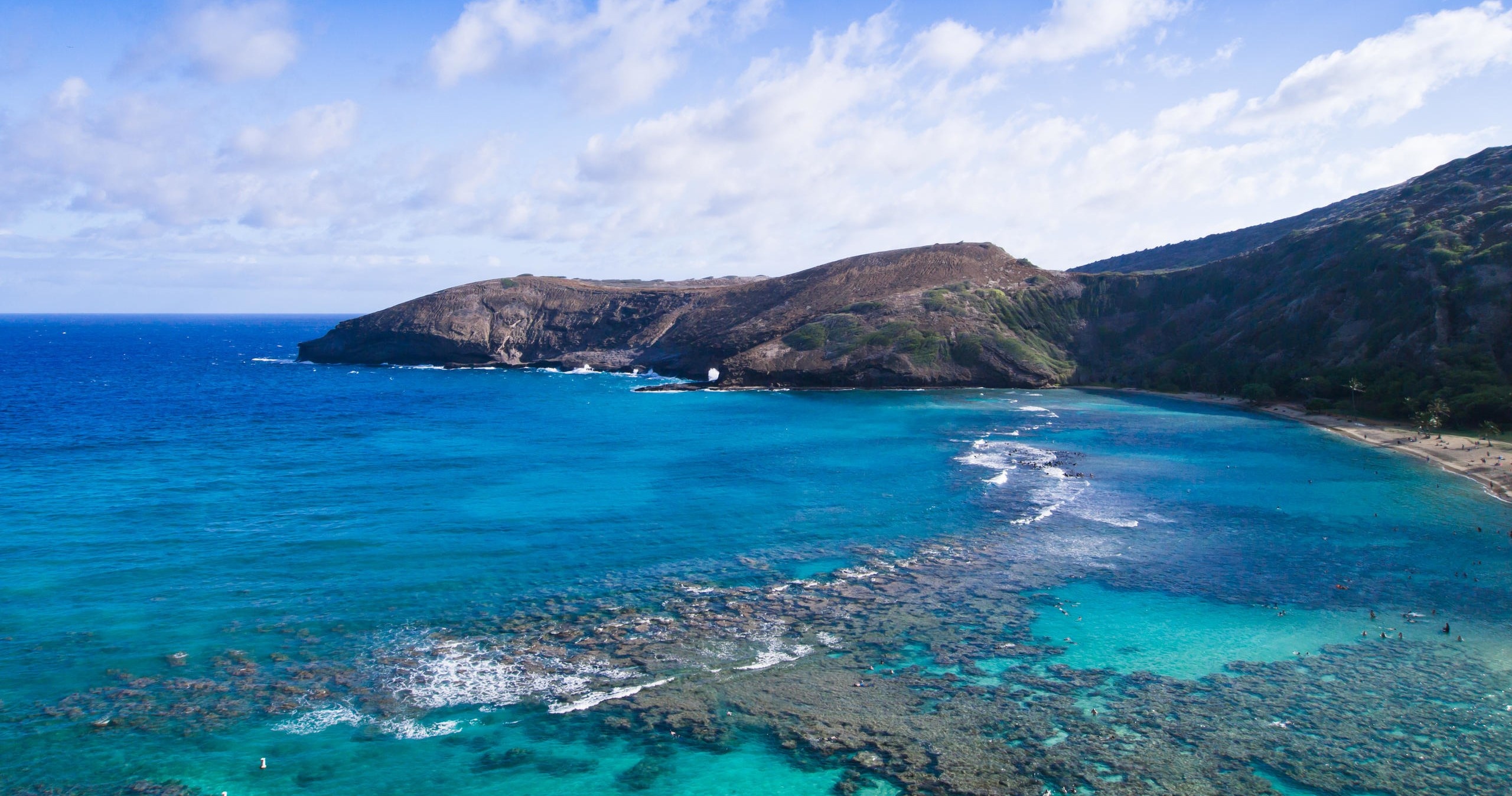
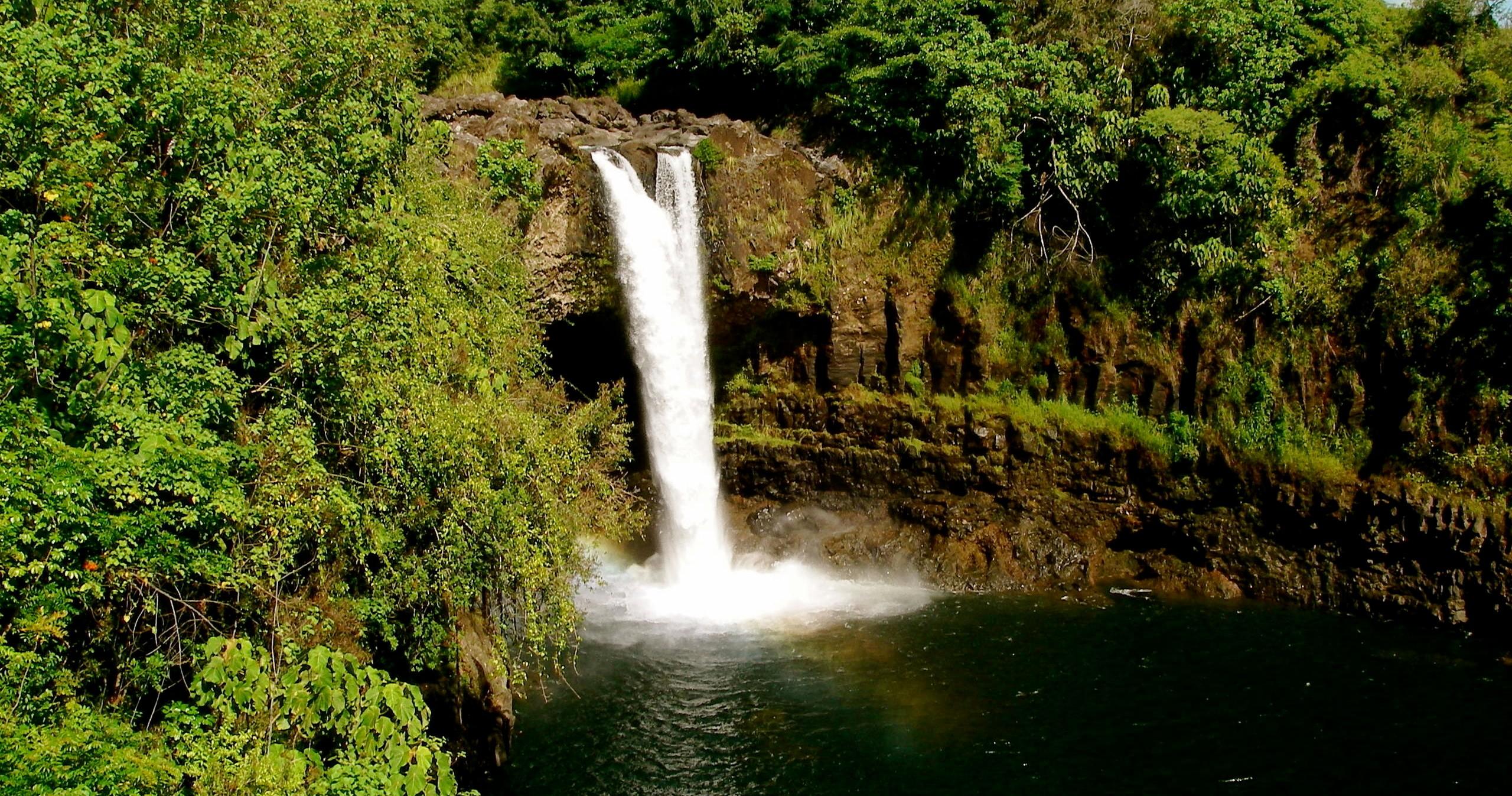
Waiākea is a small place with a large sense of motion: tides pull at the bay, trade winds sculpt the palms, and volcanic ridgelines loom behind neighborhoods where gardeners tend native plants. The best way to know Waiākea is to layer short, sensory experiences—an early-morning sightseeing tour that starts at the water, a mid-morning hike that threads fern-dark gullies, an afternoon of water activities that could be snorkeling in a protected cove or a kayak paddle along a calm shoreline. Photography tours are popular here because light changes quickly between passing showers and bright sun; every turn feels like a study in texture and contrast.
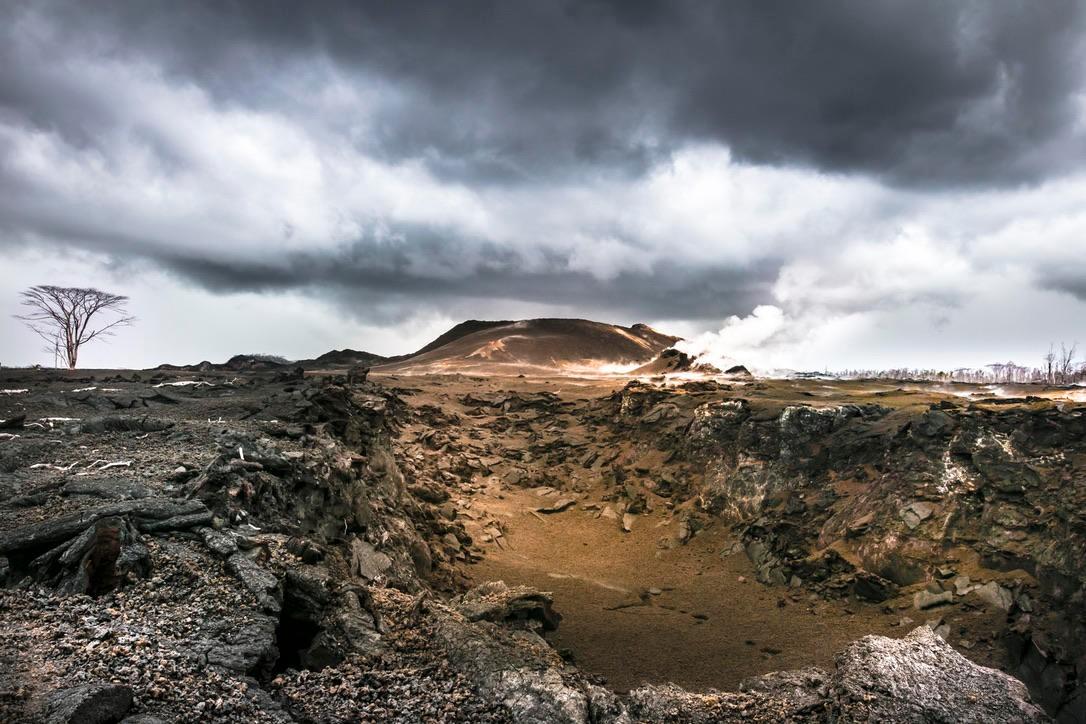
This is also a place of practical adventure. Eco tours and guided scuba trips emphasize reef stewardship, so outings double as lessons in local ecology. Boat tour operators and kayak guides know the seasonal rhythms—where to find schooling fish, when spinner dolphins might appear, and which coves are best for beginner snorkeling. For those who want quieter movement, a walking tour of Hilo’s nearshore neighborhoods yields coffee-roastery stops, oceanfront parks, and cultural markers that connect present-day outdoor life to centuries of voyaging and land stewardship. Want speed? Air activities—short helicopter hops or small-plane scenic flights—give immediate perspective on volcanic flows and coastal shelf reefs that underlie many great fishing and scuba zones.
Practical planning here matters: Waiākea sits on Hawaii’s wet side, which means lush trails but frequent showers that can make exposed coastal rocks slick. Pack for variability—light rain gear, reef-safe sunscreen for ocean activities, and waterproof storage for cameras. The activity mix is broad: Sightseeing tour, Hiking, Water Activities, Eco Tour, Photography Tour, Walking Tour, Boat Tour, City Tour, Scuba, Bus Tour, Zipline, Fishing, Kayak, Snorkel, and Air Activities all have a place in a single multi-day visit. That diversity makes Waiākea ideal for travelers who want to stack experiences—an early hike, a midday kayak, a late-afternoon photography walk—without losing momentum or feeling like you spent your trip in transit.
Access is deceptively simple: Hilo’s compact layout keeps trailheads, charters, and cultural sites close. Local outfitters handle equipment and shuttles for kayaking, scuba, and fishing, and they know which beaches hold calm water for snorkelers on any given day. Shoulder seasons—spring and fall—offer steadier weather windows for open-water kayak or boat tours and smaller crowds at popular snorkel sites.
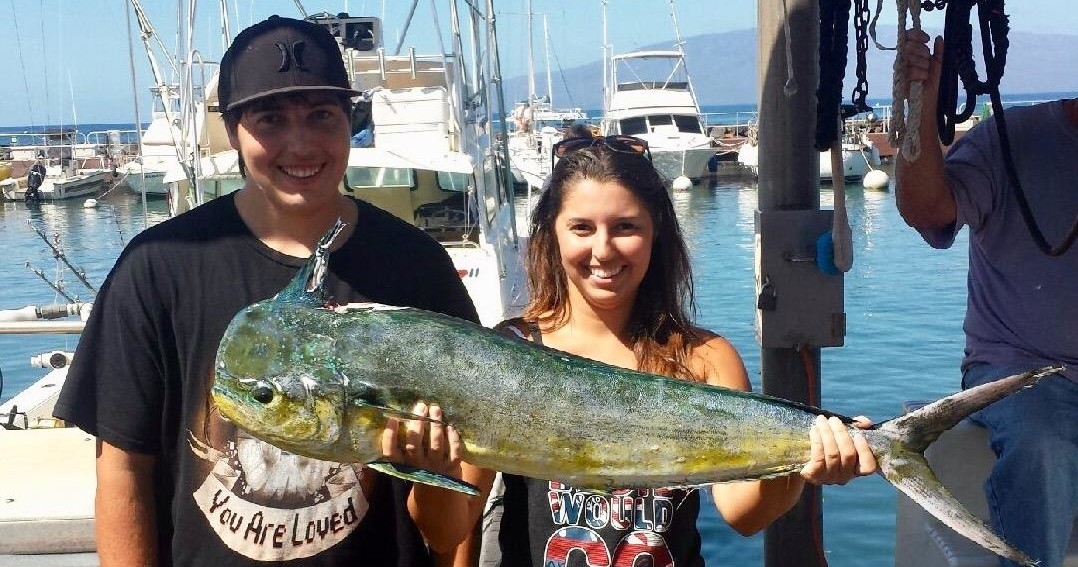
Respectful travel here strengthens the experience. Many eco tours are led by guides who double as cultural educators; they’ll point out native plantings, explain ahupuaʻa systems, and outline how coral restoration is done. When booking a zipline or air activities, ask about safety briefings and weight limits up front; for fishing, check local regs and preferred catch-and-release spots if you’re aiming to support reef health.
Waiākea’s advantage is variety without surrendering the day to long transfers.