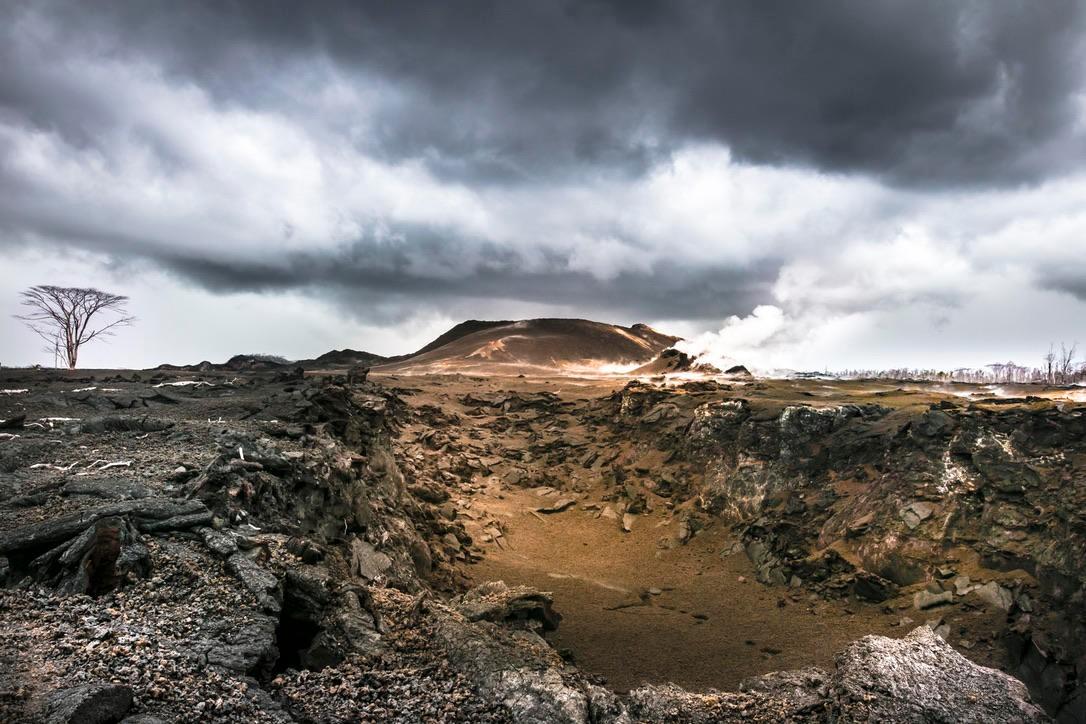
Why Waiākea Is a Standout Photography Destination
Waiākea is a small geography of light and moisture — an axis where trade-wind mists, volcanic silhouettes, and coastal clarity stage endlessly variable portraiture for photographers. Morning light here is soft and wide, filtered through lingering low cloud and the breath of the Pacific; sunrises over Hilo Bay tend to be patient rather than flashy, which rewards careful composition and tonal nuance. Down lanes shaded by banyans and pecky monkeypods, the rainforest yields a kind of green that feels almost luminous, saturated by humidity and frequent showers. For photographers, that means intense color, reflective surfaces, and the need to think tactically about moisture management and cleaning gear between shots.
Beyond the immediate shoreline, the terrain climbs gently into the foothills of Mauna Kea. Those elevations compress atmospheric layers into dramatic backdrops — distant snow-capped peaks (in season), low cloud inversion, and nighttime skies that, when clear, open a galaxy-bright stage for long exposures. Down at lower elevations, waterfalls thread through lava-formed ravines and fern-lined gulches; the proximity of these features to paved roads and short trails allows for high-reward compositions with comparatively little hiking. Cultural sites, working taro loʻi, and the Hilo townscape add human-scale narratives to landscape portfolios: portraits of people, food markets, and coastal communities become natural complementary subjects for a photography tour.
Waiākea’s weather is part of its character. Frequent soft rain creates misty portraits and saturated color, but it also demands adaptability: waterproof covers, quick-dry clothing, and an acceptance that some shoots will end up being about mood rather than technicolor clarity. Light changes fast here; professional guides and local drivers help you chase the clearest windows and avoid shoreline hazards. For photographers seeking diversity within a compact area — intimate macro work in the understory, wide-angle coastal panoramas, moody long-exposure waterfalls, and night-sky vistas — Waiākea is hard to beat. Responsible practice matters: many great vantage points are on private or culturally sensitive land, and local etiquette, tide awareness, and wildlife protection should dictate access. When done with respect, a photography tour in Waiākea yields both striking images and a deeper sense of place.
Compact variety: within short drives you can move from sea-level sunrises to rainforest close-ups and then to foothill vantage points for sunset or stars.
Weather-driven opportunities: intermittent rain produces soft, painterly scenes and reflections, while clear nights open stellar landscapes above Mauna Kea’s silhouette.
Choose by purpose
Whale watching, snorkeling, sunset sailing, cultural canoeing, harbor sightseeing, or private chartering.
Start near the city
Waikiki and Honolulu Harbor are primary hubs, with some trips launching near Hanauma Bay.
Confirm the vessel
Gangways, shaded seating, and boarding requirements vary according to vessel size and operator.