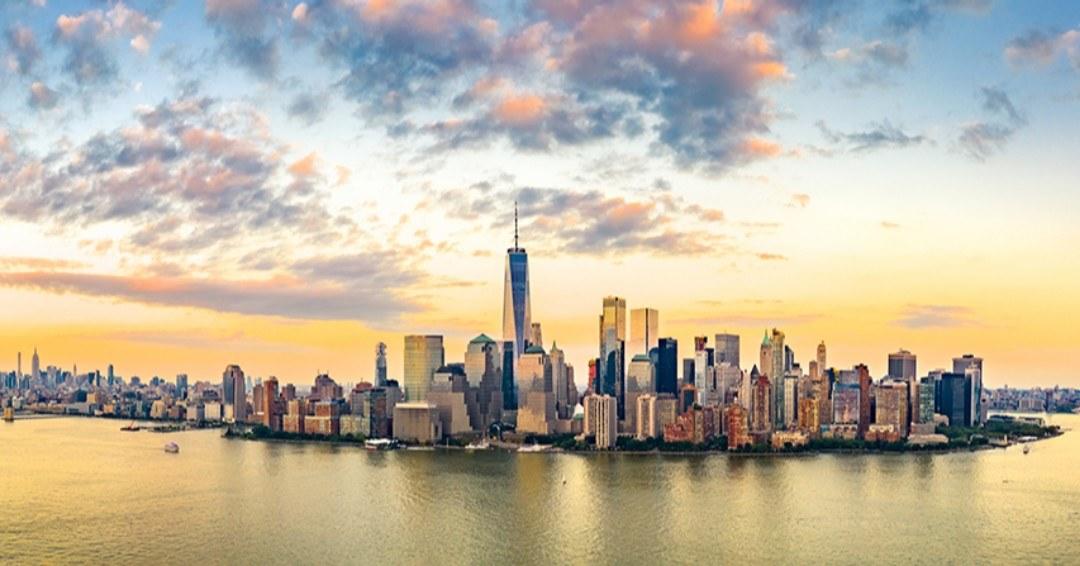
Why Weehawken Is a Compelling Base for Air Activities
There’s a particular hush that descends on the Hudson at dawn—the river appears to hold its breath and the skyline resolves, bar by bar, into a language of glass and steel. From Weehawken that hush becomes an invitation. Close enough to Manhattan to feel part of the city’s magnetism, yet separate enough to be a practical staging ground, the township offers an unusually direct relationship between waterfront life and the sky above. For travelers chasing aerial perspectives, the appeal is immediate: short transit, high-impact views, and a variety of ways to go up—helicopter tours that loop low and intimate over the Statue of Liberty, private charters that thread the harbor and the rivers that frame the metropolis, and specialized aerial-photography ops that take advantage of the clean angles afforded by the Hudson corridor.
Practically speaking, Weehawken’s value is logistical as much as visual. Operators run shuttle connections from city heliports and nearby general aviation airports; for private charters, Teterboro and northern New Jersey fields offer quick taxi times and minimal airspace friction compared with downtown departures. That convenience lets a morning takeoff become a midday landing and a sunset flight to be slotted between dinner and an evening ticketed event. Weather is the other axis of planning here: fall and winter often deliver crystalline visibility that makes the skyline read like a layered map, while summer’s humidity and afternoon wind or scatter clouds can shave operating windows. The Palisades cliffs—and the dramatic vertical drop just west of the river—create distinctive wind patterns that pilots know how to anticipate, but visitors should always expect schedule flexibility.
Culturally, the aerial experience around Weehawken is stitched into the larger story of New York Harbor. The view reverses the familiar commute: instead of driving toward the skyline, you rise up beside it, seeing neighborhoods as patterns, bridges as joins, and ferry wakes as brief, bright signatures on the water. For photographers and filmmakers, that brief removal from the street is transformative: nocturnal grids, sunlit facades, and the interplay of river light and shadow become study subjects. For casual travelers, a twenty-minute helicopter loop becomes a portable memory: the trade-off of cost for an instant of perspective.
Because air activities near Weehawken sit at the intersection of urban regulation and adventurous desire, planning becomes part of the trip. Book well in advance, check operator reputations and safety records, understand weight and camera restrictions, and—most importantly—be ready for last-minute changes in the name of safety. When planned with care, an aerial outing from Weehawken is not only a birds-eye tour; it’s a way to read the city differently, to feel the geography of the Hudson and the muscular geometry of Manhattan in a single sweep of air.
Short transit times to Manhattan heliports and nearby general aviation fields make Weehawken a practical staging area for both quick scenic flights and longer charters.
The Hudson corridor delivers iconic photographic frames—Statue of Liberty, Midtown skyline, Verrazzano and George Washington Bridges—from compact flight routes.
The harbor is the gateway, and the Pacific becomes the classroom.
Visually clear conditions in cooler months create the best visibility, though shoulder seasons frequently balance light and weather for dramatic flights.
Operators in the area emphasize preflight briefings due to nearby controlled airspace and local wind patterns created by the Palisades.
Choose by purpose
Whale watching, snorkeling, sunset sailing, cultural canoeing, harbor sightseeing, or private chartering.
Start near the city
Waikiki and Honolulu Harbor are primary hubs, with some trips launching near Hanauma Bay.
Confirm the vessel
Gangways, shaded seating, and boarding requirements vary according to vessel size and operator.