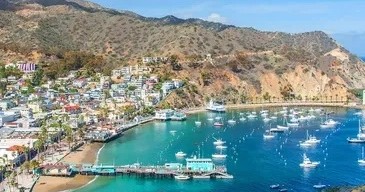
The coastal waters accessible from Westminster are a lesson in contrast: calm, human-shaped marinas and sheltered channels sit a short ride from exposed ocean where kelp beds, upwelling, and currents shape marine life. That proximity gives travelers a rare chance to sample multiple boat-tour experiences in a single day—an intimate harbor cruise for quiet observation, followed by a short transfer to deeper water for dolphin encounters or seasonal whale migration. Estuaries like Bolsa Chica and Upper Newport Bay are tidal classrooms where migratory shorebirds, resident waders, and sea ducks concentrate; guided estuary tours emphasize quiet observation and ecology, often paired with shoreline walks or binocular briefings.
Culturally, these tours thread through communities shaped by maritime history and recreation—from small commercial fishing outposts to mid-century recreational harbors and the curated waterfront neighborhoods of Newport. Operators tend to balance wildlife viewing, coastal history, and local conservation narratives; expect guides to point out nesting sites, eelgrass beds, and historic shipping channels. The close-in nature of these waters means weather and sea conditions are highly localized: a calm harbor morning can precede a bouncy ocean afternoon. Timing is therefore part craft and part local knowledge—captains will route trips to avoid wind chop, find feeding pods, or linger over kelp forests where marine birds congregate.
For planning, the options scale by comfort and ambition. Family-friendly harbor cruises, sunset sailings, and short wildlife watches are approachable for almost any visitor. More adventurous itineraries—nearshore whale watching, private sailing charters, or sport-fishing trips—demand basic sea-safety awareness and sometimes a higher tolerance for swell. Accessibility on modern tour boats is improving: many companies offer wheelchair-friendly boarding, quiet electric launches for estuary tours, and low-deck launches for photographers. Still, shore-side logistics matter: parking at popular launch points, late-season swell, and weekend demand can influence the experience. Pair a morning estuary kayak or birding walk with an afternoon harbor cruise, and finish with an evening dinner on the Balboa Peninsula to balance active time on the water with local culture and cuisine.
Variety and proximity are the draw: sheltered estuaries, residential harbors, and open ocean are within short drives of Westminster, letting visitors stack contrasting boat experiences in a single trip.
Wildlife rhythms define the best times: spring migrations and late-summer feeding patterns bring higher chances of whales and dense dolphin pods; shorebird numbers peak on tidal cycles in the estuaries.
The harbor is the gateway, and the Pacific becomes the classroom.
Practical weather and sea conditions are local—mornings are often calmer, afternoons can bring onshore winds and chop; operators adjust routes based on daily conditions.
Choose by purpose
Whale watching, snorkeling, sunset sailing, cultural canoeing, harbor sightseeing, or private chartering.
Start near the city
Waikiki and Honolulu Harbor are primary hubs, with some trips launching near Hanauma Bay.
Confirm the vessel
Gangways, shaded seating, and boarding requirements vary according to vessel size and operator.