Top 10 Climbing Adventures in Wolfeboro, New Hampshire
Wolfeboro Climbing Guide

Top 10 Climbing Adventures in Wolfeboro, New Hampshire

Wolfeboro — perched on the southeastern shore of Lake Winnipesaukee — is best known as a lakeside getaway, but its location also makes it a quietly useful base for rock and ice climbing in New Hampshire's Lakes Region. Climbers who stay here pair short, techy crag sessions with paddling, boating, and easy access to the taller granite faces of the White and Ossipee ranges. This guide focuses on single-pitch sport and trad crags, approachable bouldering, seasonal ice lines, and nearby multi-pitch objectives that are reachable as day trips from town.

Lake WinnipesaukeeLakes Region CragsOssipee Mountains

Live destination inventory

Top Climbing Trips in Wolfeboro

10 trips · Book with confidence · Instant confirmation

The prototype intentionally does not invent replacement trip cards or add images that are not already part of the live source page.

The city from the water

Why Wolfeboro Works for Climbers

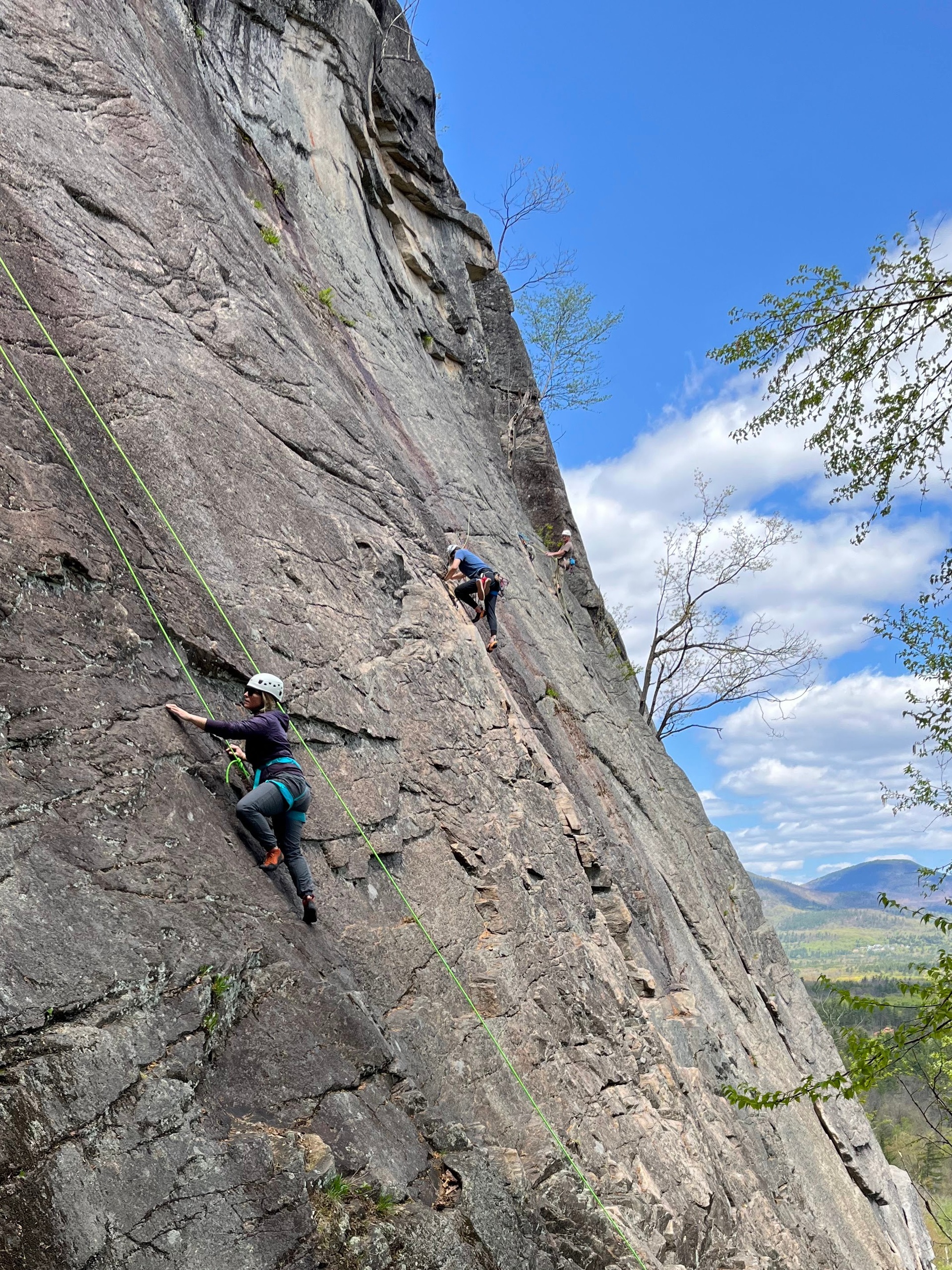
There is a clarity to climbing from a Lakes Region base: mornings begin with a thin mist rising off Winnipesaukee, the sky clears, and you drive twenty minutes to granite and gneiss that feels like an entirely different world. Wolfeboro itself is the type of small New England town that rewards early starts—grab a coffee, watch the light on the lake, then head for the crag. The climbing here is not about towering alpine faces; it’s about accessible, focused climbing that pairs well with a day of hiking, paddling, or a late-afternoon sail. Single-pitch sport lines, hidden trad cracks, and compact boulders offer the sort of concentrated, technical climbing that refines movement and teaches route-reading. The Lakes Region sits at a crossroads between rolling low mountains and the sharper relief of the Whites. That means you can spend a morning on a steep, frictiony slab or a crack system, and by afternoon be driving toward longer approaches and more exposed multi-pitch routes. Seasonality is central: late spring and early fall bring the most stable rock conditions for hard friction climbing and long trad leads, while summer provides warm days but often sees afternoon thunderstorms that can make wet rock dangerously slick. In winter, the same faces can hold ice or thin, fragile conditions; ice climbing is possible on sheltered gullies and frozen waterfalls after a hard freeze but requires local knowledge and caution. Beyond the physical terrain, Wolfeboro works because of its balance. It’s hospitable enough for people bringing non-climbing partners—there are beaches, boat rentals, and scenic lakeside walks—yet close enough to a variety of climbing styles to keep a dedicated climber engaged across trips. Climbing here feels social: small crags, community bulletin boards at local outfitters, and guide services within a short drive. Respect for seasonal closures (especially bird nesting) and careful attention to weather are the quiet rules that keep the climbing accessible to visitors and sustainable for locals.

The variety is compact: short sport crags and top-rope-friendly walls are typically a drive of under an hour from town, while day trips to more serious trad lines or multi-pitch routes in the White Mountains are practical for a full-day outing.

Pair climbing with other outdoor activities—paddling Lake Winnipesaukee for recovery, hiking nearby ledges for top-rope anchors, or sampling local bouldering spots at dawn to avoid afternoon sun and crowds.

Activity focus

Choose by purpose

Whale watching, snorkeling, sunset sailing, cultural canoeing, harbor sightseeing, or private chartering.

Departure hubs

Start near the city

Waikiki and Honolulu Harbor are primary hubs, with some trips launching near Hanauma Bay.

Accessibility

Confirm the vessel

Gangways, shaded seating, and boarding requirements vary according to vessel size and operator.
Seasonal planning

Best Time to Visit

Wolfeboro is warm year-round, but wind, swell, migration, visibility, and demand change the best match between traveler and trip.

Wolfeboro boat tour
Year-round destination

Seasonal highlights change the reason to go

Winter favors humpback encounters; warmer, calmer months favor snorkeling visibility and smoother water.

Humpback season

Summer weekends draw the largest crowds for lakeside activities; shoulder seasons (May/June and September/October) are best for quieter climbing conditions.

Prime whale watching, winter holidays, higher demand, and earlier sell-outs.

Snorkeling window

May–June–September–October

Typically gentler seas and clearer water for snorkeling trips.

Weather notes

Trade winds year-round

Late spring and early fall usually provide the most comfortable and stable rock conditions; summer can be warm with frequent afternoon storms. Winter enables ice climbing on select lines after prolonged cold but brings short daylight and travel hazards.

Quieter opportunities

Late spring & summer weekdays

Winter climbs and ice routes appear after sustained freezes; indoor climbing gyms in the region offer training year-round. Weekdays in shoulder seasons are ideal for solitude.

Match the trip to your comfort

Choose Your Experience Level

Low effort

Beginner

Short approaches and single-pitch routes ideal for learning movement, top-roping, and basic trad placements.

  • Guided top-rope sessions
  • Introductory sport routes
  • Low-angle slab climbing with belayed top rope
Active day trip

Intermediate

Longer single-pitch sport and trad lines, steeper slab work, and more technical bouldering requiring confident footwork and gear placement.

  • Sport route laps at sunny crags
  • Trad crack practice on moderate routes
  • Approach-style bouldering circuits
Longer or technical

Advanced

Multi-pitch objectives in nearby ranges, difficult trad leads, and winter ice climbs that demand advanced protection skills and solid route-finding.

  • Day trips to White Mountain multi-pitch routes
  • Technical trad lines with runout sections
  • Steep ice and mixed climbs in sustained cold spells

Prepare for sun, spray, and swell

What to Bring

Essential

Core kit

  • Climbing shoes and a comfortable approach shoe
  • Harness, helmet, belay device, locking carabiner
  • Single and half ropes where needed (check route specs locally)
  • Water, high-energy snacks, and sun protection
  • Topo or downloadable route descriptions for Lakes Region crags
Recommended

Useful extras

  • Quickdraws for sport routes and a small trad rack for crack work
  • Crash pad and brush for bouldering areas
  • Lightweight layers for temperature shifts near the lake
  • Small first-aid kit and a headlamp
  • Approach map or GPS app with offline maps
Optional

Trip-specific

  • Guidebook or local guide service for unfamiliar crags
  • Gloves and winter gear if planning ice climbs
  • Waterproof stuff sack for electronics on damp days
Check access and seasonal restrictions; weather and rock moisture can change quickly. Respect private land and nesting closures.

Insider Tips & Local Knowledge

Reserve whale-watching and popular sunset cruises well ahead during December–April.
Choose morning snorkeling departures for calmer seas and better underwater visibility.
For motion sensitivity, choose a larger vessel, sit mid-ship, and take preventative medication before boarding.
Do not touch coral or wildlife, avoid standing on reefs, and use reef-safe sunscreen.
Community-based operators may add context about traditional navigation and stewardship.
Arrive early for parking and check-in because Waikiki departure areas can be busy.

Planning questions

Frequently Asked Questions

Most crags in the Lakes Region do not require permits, but access can be contingent on land ownership or seasonal closures. Check local land trust rules and crag-specific guides before you go.
Top 10 Climbing Adventures in Wolfeboro, New Hampshire
Ready for your climbing adventure?

Browse 10 verified trips in Wolfeboro.

Compare current availability and book with instant confirmation.

Explore Wolfeboro climbing