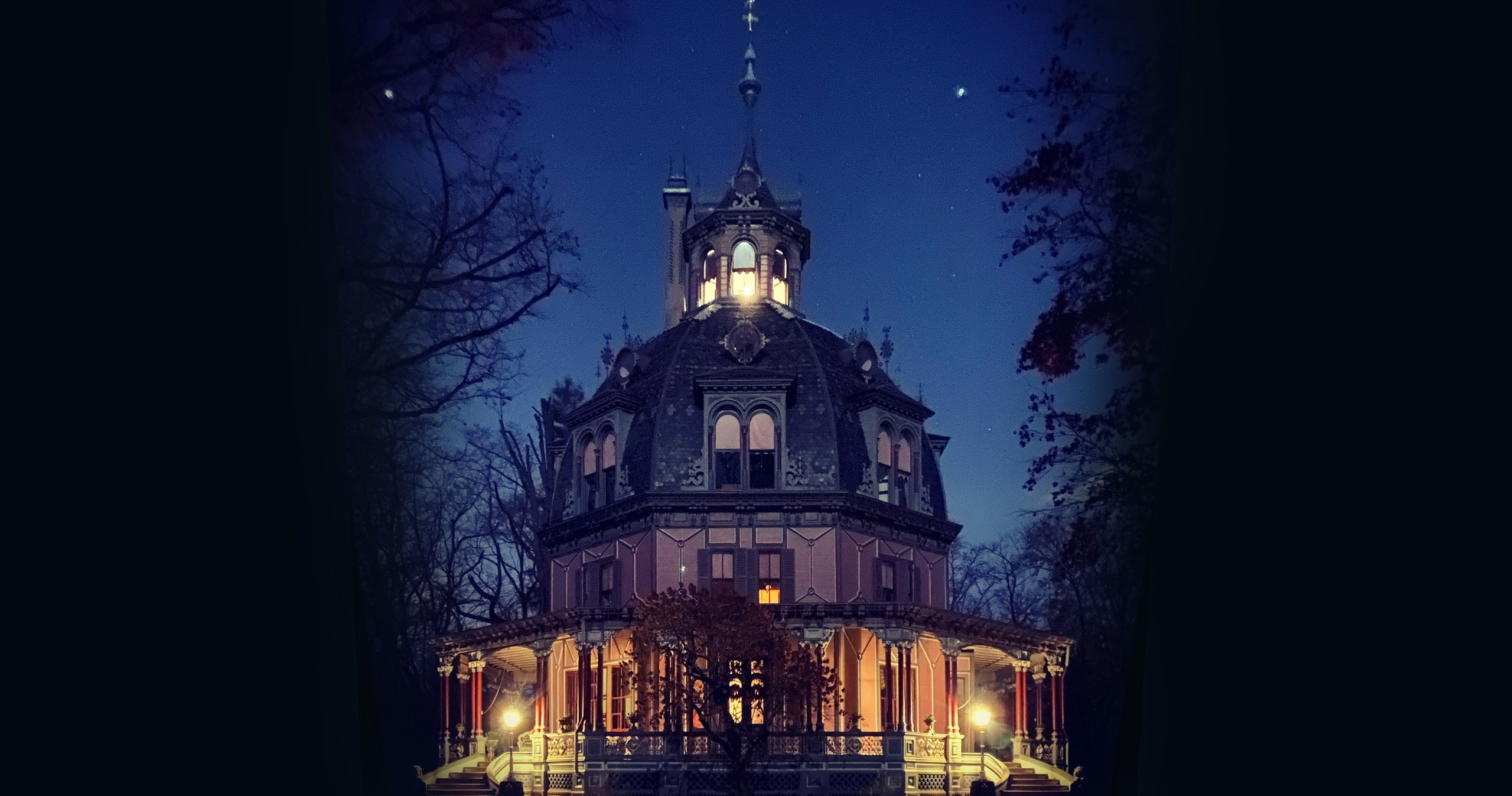
Wyckoff feels designed for walking. Streets are scaled to human steps rather than highway speeds: modest setbacks, mature maples and oaks, municipal parks, and a handful of historic houses that hint at a longer story beneath suburban veneers. Walking tours here function like a close-read of a place—small vignettes that together sketch out geology, local industry, and community life. In spring and summer the green infrastructure frames pond edges and shaded neighborhood routes; in the fall the maples and birches put on a vivid show; even winter, when snow softens contours and dials down traffic, rewards a patient walker with quiet lanes and clear morning light.
The practical character of Wyckoff’s walks is part of the appeal. These tours are walkable for a wide range of people: families with strollers on paved loops, history buffs tracing a town’s founding through plaques and preserved buildings, and outdoor-minded visitors who want a longer, mixed-surface route that connects to local preserves. That variety makes the town a good base for complimentary outdoor activities—pair a historical main-street tour with an afternoon on a nearby greenway, or combine a nature-focused pond circuit with a short bike ride between parks. Accessibility is uneven block by block—some trails and park loops are paved and accessible, while woodland connectors and informal footpaths can be rooty and steep in places—so route selection matters depending on mobility needs.
Walkability in Wyckoff also favors curiosity. Vendors at the community market, seasonal roadside stands, and small cafés clustered near the town center provide natural refreshment points and reasons to pause. Local stewards—parks groups and historical societies—occasionally run themed guided walks that add depth: birding mornings, autumn leaf tours, and holiday-history strolls. Timing makes a big difference: early morning or late afternoon light lends neighborhoods a cinematic quality and reduces traffic along busier stretches. For planners, the town’s compact scale means you can combine several short walks into a half- or full-day itinerary without long transfers; for purists, there are also quieter, more remote footpaths that connect to larger county greenways beyond town limits.
Wyckoff’s walking tours range from short, accessible loops around town centers to longer greenway connectors—there’s something for families, photographers, and neighborhood explorers.
Seasonality matters: spring and fall offer the most dramatic natural color and comfortable temperatures; winter and summer still provide pleasant options with appropriate gear.
The harbor is the gateway, and the Pacific becomes the classroom.
Local history and community life are woven into many routes—look for plaques, preserved homes, and small churches that anchor interpretive walks.
Choose by purpose
Whale watching, snorkeling, sunset sailing, cultural canoeing, harbor sightseeing, or private chartering.
Start near the city
Waikiki and Honolulu Harbor are primary hubs, with some trips launching near Hanauma Bay.
Confirm the vessel
Gangways, shaded seating, and boarding requirements vary according to vessel size and operator.