ATV & UTV Guide — Yankeetown, Florida
Yankeetown ATV/UTV Guide

ATV & UTV Guide — Yankeetown, Florida

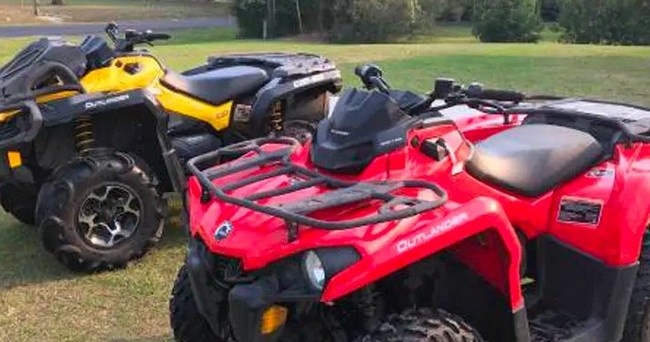
Yankeetown’s coastal lowlands and network of back roads offer an understated, salt-tinged playground for ATV and UTV enthusiasts who value solitude, shoreline runs, and access to quiet estuaries. Expect sandy tracks, hard-packed salt flats at low tide, scrubby hammocks, and private parcels used by local outfitters. This guide focuses on planning, terrain awareness, complementary activities, and the practical realities of riding on Florida’s Nature Coast.

Gulf Coast MarshesWithlacoochee RiverNature Coast

Live destination inventory

Top ATV/UTV Trips in Yankeetown

10 trips · Book with confidence · Instant confirmation

The prototype intentionally does not invent replacement trip cards or add images that are not already part of the live source page.

The city from the water

Why Yankeetown Works for ATV & UTV Riders

There’s a particular kind of hush you notice when you turn off the county road and follow a narrow sandy track toward the marsh. In Yankeetown that hush is punctuated by the cry of a distant osprey and the low, steady hum of a well-tuned UTV pushing across mixed terrain. Riding here isn’t about technical rock gardens or mountain ascents; it’s about coastal rhythm—tide-swept flats, shell-strewn sand, scrub oak corridors, and river bends that smell faintly of salt and mud. That coastal palette shapes the ride: traction shifts with moisture, lines open and close with vegetation, and the best runs occur where land, river, and sea meet. The region’s appeal lies less in dramatic elevation and more in texture. Tracks that begin as packed phosphatic sand at a boat ramp can turn, within a few minutes of throttle, into soft, yielding marsh edges or a narrow grass road skirted by palmetto. For riders, that variability is a lesson in patience and planning: read the ground, anticipate the tide where salt flats are involved, and know when to stagger throttle with care. Many of the most rewarding loops are found on private ranches and working lands adjacent to public waterways; access frequently depends on local outfitters, guided services, or permissions rather than large public OHV parks. Yankeetown also acts as a hinge to a broader network of outdoor pursuits that complement an ATV trip. Bring a UTV for a morning run, and spend the afternoon fishing the Withlacoochee’s back channels, launching a kayak into a quiet tributary, or scanning the salt marsh for migrating shorebirds. Local culture is tied to the water—seafood shacks, bait shops, and boat ramps; riders often plan multi-day itineraries that combine on-vehicle exploration with fishing charters, shell-seeking walks, and eco-tours to learn about the fragile mangrove and marsh systems that define the Nature Coast. Practicalities are part of the narrative here. The landscape is low and exposed; weather swings between gentle winters and humid, storm-prone summers. Road legality, private property boundaries, and environmental sensitivity require riders to do a little extra work before they roll: secure permission where needed, confirm tide and weather windows, and plan recovery contingencies. When done respectfully, riding around Yankeetown can feel like discovering a coastline few others have seen—a slow, coastal odyssey where every sandbar and river bend invites another line through the landscape.

ATV and UTV riding near Yankeetown is best framed as a coastal exploration rather than a motorsports destination. Expect low, scenic routes and a reliance on private operators or permissive landowners for the most interesting loops.

Complementary activities—fishing, birding, kayaking, and shoreline foraging—are natural partners for a riding itinerary here. Combine a guided UTV loop with a late-afternoon estuary paddle to maximize time outdoors while minimizing impact.

Activity focus

Choose by purpose

Whale watching, snorkeling, sunset sailing, cultural canoeing, harbor sightseeing, or private chartering.

Departure hubs

Start near the city

Waikiki and Honolulu Harbor are primary hubs, with some trips launching near Hanauma Bay.

Accessibility

Confirm the vessel

Gangways, shaded seating, and boarding requirements vary according to vessel size and operator.
Seasonal planning

Best Time to Visit

Yankeetown is warm year-round, but wind, swell, migration, visibility, and demand change the best match between traveler and trip.

Yankeetown boat tour
Year-round destination

Seasonal highlights change the reason to go

Winter favors humpback encounters; warmer, calmer months favor snorkeling visibility and smoother water.

Humpback season

Late spring and fall weekends—when mild weather and migratory bird seasons draw more visitors.

Prime whale watching, winter holidays, higher demand, and earlier sell-outs.

Snorkeling window

March–April–May–October–November–December

Typically gentler seas and clearer water for snorkeling trips.

Weather notes

Trade winds year-round

Spring and fall deliver the most comfortable riding: lower humidity, milder temperatures, and fewer afternoon storms. Summers are hot, humid, and prone to thunderstorms; hurricane season (June–November) can affect coastal access. Winters are mild but can bring cool nights and occasional frontal winds.

Quieter opportunities

Late spring & summer weekdays

Summer offers quieter trails and potential weekday discounts from local outfitters, but expect heat, insects, and afternoon storms. Winter weekdays can be pleasantly empty for lower-traffic runs.

Match the trip to your comfort

Choose Your Experience Level

Low effort

Beginner

Short guided loops on hard-packed tracks or private fields suitable for first-time riders and families. Emphasis on safety briefing, basic vehicle handling, and low-speed scenic routes.

  • Introductory UTV orientation and short estuary loop
  • Private ranch cruising on groomed dirt tracks
  • Shoreline viewpoint run with frequent stops
Active day trip

Intermediate

Longer half-day runs that mix sand, marsh-edge tracks, and narrow scrub roads. Riders should be comfortable with variable traction and basic recovery techniques.

  • Tidal-flat edge runs timed to low tide
  • Connector trails between river access points
  • Multi-spot loop combining salt flats and hammock corridors
Longer or technical

Advanced

Extended backcountry-style outings that require navigation skills, comprehensive recovery gear, and experience reading coastal terrain. Often joint plans with outfitters and landowners.

  • Full-day exploratory runs across private tracts and remote sand roads
  • Night or low-light coastal navigation with proper lighting and comms
  • Combined UTV + kayak logistics for multi-modal coastal trips

Prepare for sun, spray, and swell

What to Bring

Essential

Core kit

  • DOT-approved helmet and eye protection (goggles)
  • Gloves and long-sleeve sun protection
  • Vehicle registration, insurance card, and any land-access permits
  • Portable tool kit and spare tire/kit
  • Recovery strap and basic winch gear
Recommended

Useful extras

  • GPS device or offline map with waypoints
  • Dry bag for electronics and personal items
  • Hydration system and electrolyte drinks
  • Mosquito/insect repellent and reef-safe sunscreen
  • Compact first-aid kit
Optional

Trip-specific

  • Lightweight folding shovel for sand recovery
  • Handheld VHF radio or satellite messenger for remote runs
  • Tide chart or app for coastal route planning
  • Camera with protective case
Confirm access and tides, respect private property, and prioritize low-impact riding in sensitive coastal habitats.

Insider Tips & Local Knowledge

Reserve whale-watching and popular sunset cruises well ahead during December–April.
Choose morning snorkeling departures for calmer seas and better underwater visibility.
For motion sensitivity, choose a larger vessel, sit mid-ship, and take preventative medication before boarding.
Do not touch coral or wildlife, avoid standing on reefs, and use reef-safe sunscreen.
Community-based operators may add context about traditional navigation and stewardship.
Arrive early for parking and check-in because Waikiki departure areas can be busy.

Planning questions

Frequently Asked Questions

Permit and access rules vary by parcel and owner. Much of the most interesting lowland terrain is on private or managed lands; always check with local outfitters and landowners. For public roads, confirm local ordinances about street-legal requirements and where side-by-sides may be allowed.
ATV & UTV Guide — Yankeetown, Florida
Ready for your atv/utv adventure?

Browse 10 verified trips in Yankeetown.

Compare current availability and book with instant confirmation.

Explore Yankeetown atv/utv