Why Yankeetown Is a Standout Place to See Dolphins
Tucked along the Nature Coast where the Suwannee and Withlacoochee rivers meet the Gulf, Yankeetown offers a particular kind of dolphin experience: intimate, local, and shaped by shallow estuaries that teem with fish and crustaceans. Unlike big tourist ports where multiple large boats chase fast-moving pods, Yankeetown’s quieter waterways encourage slow, observational outings—kayaks slipping through mangrove-lined creeks, small skiffs easing over muddy flats, and guided eco-tours that prioritize animal welfare and habitat education. The dolphins here often move seasonally with baitfish and tides, but their presence is constant enough that a well-timed morning or late-afternoon trip will often reward you with playful bow-riding, foraging in shallow channels, or the occasional social group that surfaces close to shore.
The character of these encounters is shaped by the landscape. Low dunes, salt marshes, and oyster bars create a mosaic of foraging grounds; during spring and early summer, mullet runs and shrimp migrations can concentrate food into narrow channels, drawing dolphins nearer to boats and shore. In cooler months, the same estuarine complexity gives way to concentrated feeding along tidal cuts. For travelers, that means the experience is as much about reading tide charts and chasing light as it is about animal sightings—sunrise flats, glassy water, and long shadows often predict the best viewing. Local captains and outfitters know specific cuts, sandbars, and freshwater outflows where dolphins congregate, and they operate with a lighter footprint: single-engine skiffs, limited passenger counts, and routes that avoid prolonged close approaches.
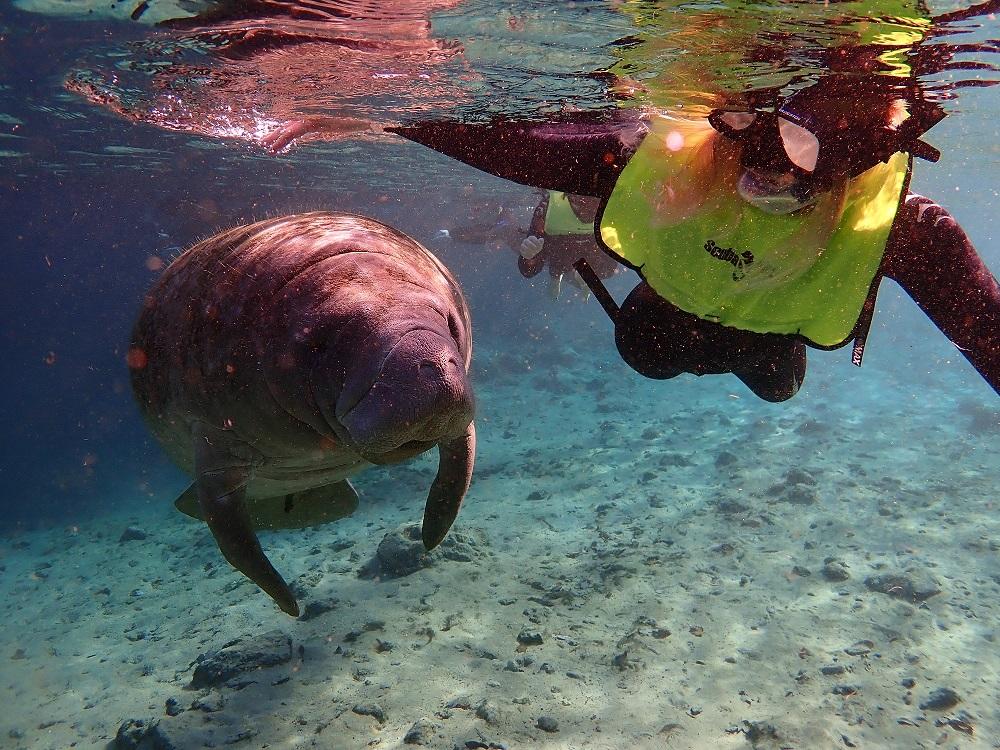
Culturally, Yankeetown keeps its small-town pace. Stops at local bait shops, a chat with a longtime captain about seasonal patterns, or a short detour to the Lower Suwannee National Wildlife Refuge add context to what you see on the water. Complementary experiences—birding along salt marsh edges, manatee floats in neighboring springs, or shallow-water shelling—pair naturally with dolphin outings and broaden an understanding of this fragile coastal system. For photographers and naturalists the region is a study in subtlety: behaviors unfold close to the surface and often against a backdrop of muted palettes—saltgrass, knobby mangrove trunks, and the Gulf’s sweeping horizon. For families and first-time wildlife watchers, the calm, sheltered waters reduce the intimidation factor associated with larger open-water excursions and allow for a more reflective, educational encounter.
Seasonality matters here: spring and early summer concentrate feeding activity in channels and near river mouths, while late fall and winter shifts seeing patterns to sheltered inlets and river bends.
Responsible operators in Yankeetown emphasize distance, speed reductions, and short observation periods so dolphins can continue normal behaviors with minimal stress.
Choose by purpose
Whale watching, snorkeling, sunset sailing, cultural canoeing, harbor sightseeing, or private chartering.
Start near the city
Waikiki and Honolulu Harbor are primary hubs, with some trips launching near Hanauma Bay.
Confirm the vessel
Gangways, shaded seating, and boarding requirements vary according to vessel size and operator.