Eco Tours in Yankeetown, Florida
Yankeetown Eco Tour Guide

Eco Tours in Yankeetown, Florida

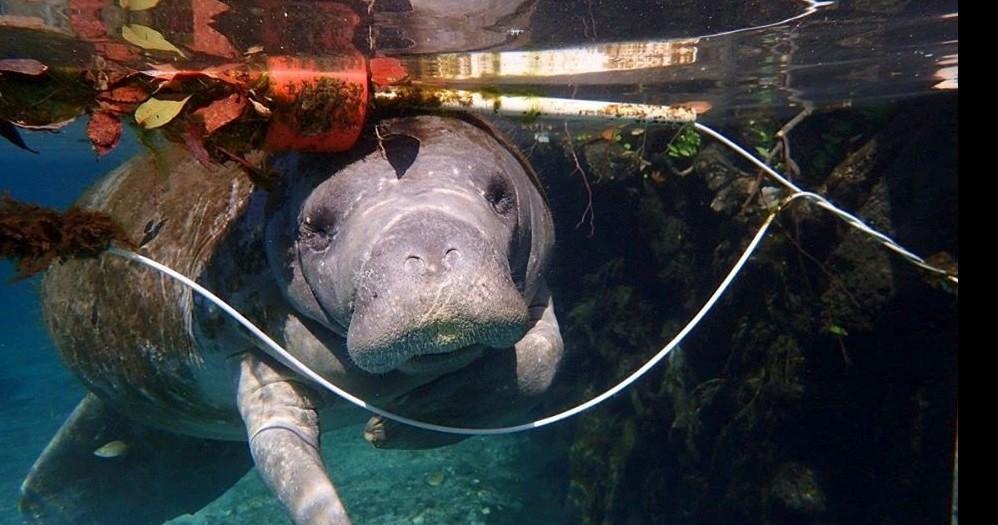
Tucked where the Withlacoochee pours into the Gulf, Yankeetown is a compact — but ecologically rich — gateway to estuaries, mangrove tunnels, and shallow seagrass flats. Eco tours here move at a slow, deliberate pace: a quiet skiff slipping past root networks, a kayak threading narrow channels, or a naturalist on the bow pointing out subtle signs of life. Expect shorebirds probing mudflats, dolphins working bait balls offshore, and the patient graze of sea turtles and manatees in warmer months. These tours emphasize observation and interpretation: the tidal cadence, the role of salt marshes in storm protection, and the fragile interplay between freshwater run-off and productive coastal habitat.

Withlacoochee RiverCitrus County Gulf CoastMangled Shorelines & Seagrass Flats

Live destination inventory

Top Eco Tour Trips in Yankeetown

21 trips · Book with confidence · Instant confirmation

The prototype intentionally does not invent replacement trip cards or add images that are not already part of the live source page.

The city from the water

Why Yankeetown Is a Standout Eco Tour Destination

On the map Yankeetown reads like a dot and a name, but on a morning eco tour it expands into a living classroom. The town’s real estate is measured not by pavement but by tidal influence: channels braid between mangrove roots, seagrass meadows ripple in shallow green, and barrier islands offshore buffer the Gulf’s energy. That shift from freshwater river to brackish estuary creates exceptionally productive feeding grounds. For a naturalist, that productivity is a promise—shorebirds on the mud, fish pushing into the shallows with the tide, and pelicans and gulls staging permanent maneuvers over bait. Guided tours here are less about conquering landscape than learning its grammar. Guides interpret subtle cues: the particular call of a yellow-rumped warbler, the direction of a plume of foam that signals a submerged spring, or the pale crescent left in the mud by a foraging spoonbill. The human story weaves through the natural one. Yankeetown has long been shaped by harvesting the sea — commercial fishing, oysters, and small-scale boatbuilding — and that cultural memory informs modern eco outings. Many operators are locals with decades on these waters, blending scientific notes with anecdotes about changing fisheries and weather patterns. That local knowledge matters: it points you to seasonal hotspots for migratory birds, the reliable estuary corridors where manatees seek warmth in cooler months, and the quiet side channels where kayaks can slide beneath a cathedral of mangroves. It also contextualizes conservation challenges. Eco tours here frequently double as advocacy: raising awareness of seagrass decline, the impacts of freshwater runoff, and the importance of protected nursery habitat for regional fisheries. Part of Yankeetown’s appeal is its scale. Unlike large-tour hubs, trips remain intimate. A half-day kayak outing can feel like an extended conversation with the estuary—slow, observational, and richly textured. Boat-based tours open wider views and are useful for spotting offshore dolphins and raptors, while paddle tours let you thread the mangrove labyrinth and listen closely: this is how coastal ecosystems best reveal themselves. Complementary activities—birdwatching walks, catch-and-release fishing with conservation-minded captains, or short cycling routes along quiet county roads—add useful variety to a visit, though the core of the experience is always ecological literacy. For travelers who want to leave with more than a photo, Yankeetown’s eco tours offer transferable understanding: how shorelines function, why water quality matters, and what stewardship looks like from the vantage of people who live here.

Eco tours focus on living systems: mangroves, salt marshes, seagrass beds, and the transitional channels that link them.

Local guides often combine natural history, cultural context, and conservation messaging on every trip.

The harbor is the gateway, and the Pacific becomes the classroom.

Tours are intimate and small-group by design—ideal for photography, birding, and quiet wildlife encounters.

Complementary activities include guided bird walks, paddleboarding, low-impact fishing, and shoreline photography sessions.

Because habitats are tidal, timing your tour for rising or falling tides changes what you’ll see.

Activity focus

Choose by purpose

Whale watching, snorkeling, sunset sailing, cultural canoeing, harbor sightseeing, or private chartering.

Departure hubs

Start near the city

Waikiki and Honolulu Harbor are primary hubs, with some trips launching near Hanauma Bay.

Accessibility

Confirm the vessel

Gangways, shaded seating, and boarding requirements vary according to vessel size and operator.
Seasonal planning

Best Time to Visit

Yankeetown is warm year-round, but wind, swell, migration, visibility, and demand change the best match between traveler and trip.

Yankeetown boat tour
Year-round destination

Seasonal highlights change the reason to go

Winter favors humpback encounters; warmer, calmer months favor snorkeling visibility and smoother water.

Humpback season

Winter and early spring draw birders and snowbirds; mild daytime temperatures and clear winter light make for productive wildlife viewing.

Prime whale watching, winter holidays, higher demand, and earlier sell-outs.

Snorkeling window

October–November–December–January–February–March–April

Typically gentler seas and clearer water for snorkeling trips.

Weather notes

Trade winds year-round

Autumn through early spring brings milder temperatures, lower humidity, and high bird-migration activity. Summers are hot and humid with frequent afternoon thunderstorms and increased insect activity; water clarity can shift after heavy rains. Tidal cycles and moon phases also affect access to shallow flats and estuarine channels.

Quieter opportunities

Late spring & summer weekdays

Summer offers quieter waterways, excellent opportunities for warm-water snorkeling and inshore fishing, and the chance to see juvenile fish and abundant estuarine life—though expect heat and more storms.

Match the trip to your comfort

Choose Your Experience Level

Low effort

Beginner

Short, guided boat tours and introductory kayak trips on calm water. Emphasis on observation and basic paddling technique.

  • Guided estuary skiff tour
  • Introductory mangrove kayak loop
  • Short birding walk along a shoreline preserve
Active day trip

Intermediate

Longer paddle outings exploring tidal creeks and flats, or small-boat trips that access nearby barrier islands and deeper channels.

  • Half-day kayak into backwater channels
  • Paddleboard tour of seagrass flats
  • Guided photography-focused boat tour
Longer or technical

Advanced

Self-supported multi-hour expeditions requiring route-finding in tidal systems, or technical shallow-water navigation during low tides. Best for experienced paddlers and those with strong local knowledge.

  • Extended tidal-run paddle following ebb and flood cycles
  • Backcountry camping combined with exploratory paddling
  • Advanced birding/photo recon trips at remote shorelines

Prepare for sun, spray, and swell

What to Bring

Essential

Core kit

  • Waterproof or water-resistant footwear and a lightweight change of clothes
  • Sun protection: hat, sunglasses with retainer strap, and reef-safe sunscreen
  • Reusable water bottle and light snacks
  • Light jacket or windbreaker for cooler mornings and open-water exposure
  • Small dry bag for phone, keys, and essentials
Recommended

Useful extras

  • Binoculars for birding and distant wildlife
  • Camera with a zoom or telephoto lens and a wrist strap
  • Insect repellent (mosquitoes can be active near marsh edges)
  • Personal flotation device if kayaking or paddleboarding (often provided by operator)
  • Quick-dry layers—mornings cool, afternoons can be warm
Optional

Trip-specific

  • Field guide or app for birds and coastal plants
  • Polarized sunglasses to reduce glare on the water
  • Small notebook for observations or sketching
  • Waterproof phone case
Confirm tide times and weather before booking; choose operators who emphasize conservation and small groups.

Insider Tips & Local Knowledge

Reserve whale-watching and popular sunset cruises well ahead during December–April.
Choose morning snorkeling departures for calmer seas and better underwater visibility.
For motion sensitivity, choose a larger vessel, sit mid-ship, and take preventative medication before boarding.
Do not touch coral or wildlife, avoid standing on reefs, and use reef-safe sunscreen.
Community-based operators may add context about traditional navigation and stewardship.
Arrive early for parking and check-in because Waikiki departure areas can be busy.

Planning questions

Frequently Asked Questions

Most operators offer beginner-friendly guided routes and basic instruction. Choose tours labeled 'introductory' if you’re new to kayaking; guides often pair novices with experienced paddlers.
Eco Tours in Yankeetown, Florida
Ready for your eco tour adventure?

Browse 21 verified trips in Yankeetown.

Compare current availability and book with instant confirmation.

Explore Yankeetown eco tour