Top 13 Scuba Adventures in Yankeetown, Florida
Yankeetown Scuba Guide

Top 13 Scuba Adventures in Yankeetown, Florida

Yankeetown's quiet waterfront hides a saltwater world that rewards curious divers: shallow artificial reefs, scattered wrecks, broad seagrass flats and the tannin-streaked mouths of spring-fed rivers. Close to spring systems and the wider Citrus County coast, local dives emphasize wildlife encounters, gentle drift profiles, and approachable depths—making the area a compelling stop for certified divers who want low-key charter launches, variety between reef and estuary environments, and a strong focus on conservation-minded practices.

Gulf of MexicoWithlacoochee RiverCitrus County coastNearby springs & estuaries

Live destination inventory

Top Scuba Trips in Yankeetown

13 trips · Book with confidence · Instant confirmation

The prototype intentionally does not invent replacement trip cards or add images that are not already part of the live source page.

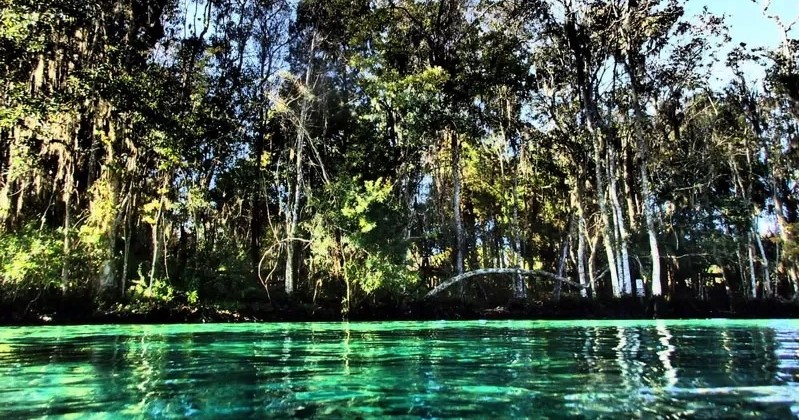
The city from the water

Why Yankeetown Is a Standout Scuba Destination

The first breath below a Yankeetown dive feels like stepping into a quieter chapter of Florida’s Gulf coast. Sunlight fractures through a green-blue column and settles over scalloped fingers of seagrass, while small schools of snapper and grunt weave along the edges of oyster bars. This is not a place of towering walls or dramatic drop-offs; it’s a saltwater mosaic where shallow reefs, intentionally sunk wrecks and the slow-moving mouths of spring-fed rivers meet. The result is an intimate brand of diving—less about adrenaline and more about observation. After a short run from the launch, your boat may drift over a mixed bottom of sand and grass, parked near a wreck colonized by sponges and amber jacks, with the occasional stingray slipping off into the soft sediment. Yankeetown’s proximity to freshwater influence—most notably the Withlacoochee River system and nearby springs—shapes the experience. Tannic water from the river mixes with Gulf tides to create layers of color, temperature and nutrient flow that affect visibility and marine life patterns. In cooler months, clearer water and migrating species move inshore; in warmer months, different schools and spawning activity enliven the reefs. Because most sites are shallow to moderate in depth and close to shore, the area is ideal for relaxed two-tank mornings, repeat dives with local operators, and combining scuba with surface activities like kayaking estuaries or guided wildlife viewing. Above all, the diving culture here leans practical and protective: operators and locals emphasize reef care, manatee awareness and low-impact anchoring practices, so excursions feel like responsible explorations of a fragile coastal system rather than a checklist of trophies.

Accessible coastal shelf: Most dives are on a gentle continental shelf—short boat runs yield shallow reefs, artificial structures, and light-penetrated seagrass habitats.

Wildlife variety over spectacle: Expect fish life, rays, conch, sponge gardens and seasonal visitors rather than deep-water pelagics; nearby spring systems can bring manatees and a distinct freshwater influence.

The harbor is the gateway, and the Pacific becomes the classroom.

Low-key charter culture: Small operators running short launch-to-dive trips make for flexible itineraries and opportunities to combine diving with kayaking or birding.

Activity focus

Choose by purpose

Whale watching, snorkeling, sunset sailing, cultural canoeing, harbor sightseeing, or private chartering.

Departure hubs

Start near the city

Waikiki and Honolulu Harbor are primary hubs, with some trips launching near Hanauma Bay.

Accessibility

Confirm the vessel

Gangways, shaded seating, and boarding requirements vary according to vessel size and operator.
Seasonal planning

Best Time to Visit

Yankeetown is warm year-round, but wind, swell, migration, visibility, and demand change the best match between traveler and trip.

Yankeetown boat tour
Year-round destination

Seasonal highlights change the reason to go

Winter favors humpback encounters; warmer, calmer months favor snorkeling visibility and smoother water.

Humpback season

Winter months (holiday travel and manatee viewing season in nearby springs) and cooler-weather weekends.

Prime whale watching, winter holidays, higher demand, and earlier sell-outs.

Snorkeling window

October–November–December–January–February–March–April–May

Typically gentler seas and clearer water for snorkeling trips.

Weather notes

Trade winds year-round

Visibility often improves in the cooler months when plankton and algal blooms subside; water temperatures range from cool to warm—winters bring cooler surface temps while springs maintain more constant temperatures. Summer brings warmer water but can reduce visibility and increase afternoon thunderstorms.

Quieter opportunities

Late spring & summer weekdays

Summer offers warm water and calmer morning conditions; weekdays see lighter boat traffic. Be mindful of reduced visibility and afternoon storms.

Match the trip to your comfort

Choose Your Experience Level

Low effort

Beginner

Shallow reef and wreck dives within recreational depth limits that emphasize easy navigation and calm conditions; good for newly certified divers and refresher trips.

  • Short drift over seagrass flats and reef edges
  • Shallow wreck exploration with a guide
  • Introductory two-tank local charter
Active day trip

Intermediate

Longer shore-to-boat dives, multi-site afternoon charters and dives requiring stronger buoyancy control around seagrass and structure.

  • Multi-site reef runs with current management
  • Navigational dives around artificial reefs
  • Dives timed for seasonal schooling fish
Longer or technical

Advanced

Deeper or more complex wreck penetrations, drift dives with variable currents, and trips that require precise air management and advanced planning.

  • Advanced wreck dives with trained team procedures
  • Drift dives in stronger tidal flows
  • Night dives focusing on cryptic reef fauna

Prepare for sun, spray, and swell

What to Bring

Essential

Core kit

  • Dive certification card and ID
  • Dive computer or depth/timing backup
  • Mask, fins, snorkel (or confirm rental with operator)
  • Shorty or full wetsuit depending on season (3mm–7mm)
  • Surface marker buoy and dive slate
Recommended

Useful extras

  • Reef-safe sunscreen and a sun hat for surface intervals
  • Boots and quick-dry clothing for boat transfers
  • Spare mask and a small repair kit
  • Underwater camera or wide-angle lens for reef life
Optional

Trip-specific

  • Light gloves for handling lines and shoal exploration (avoid touching marine life)
  • Light nylon dry bag for electronics
  • Small first-aid kit with seasickness remedies
Confirm tide, wind and marine forecasts and check for manatee protection zones before diving.

Insider Tips & Local Knowledge

Reserve whale-watching and popular sunset cruises well ahead during December–April.
Choose morning snorkeling departures for calmer seas and better underwater visibility.
For motion sensitivity, choose a larger vessel, sit mid-ship, and take preventative medication before boarding.
Do not touch coral or wildlife, avoid standing on reefs, and use reef-safe sunscreen.
Community-based operators may add context about traditional navigation and stewardship.
Arrive early for parking and check-in because Waikiki departure areas can be busy.

Planning questions

Frequently Asked Questions

Yes—most dive sites around Yankeetown require at least an Open Water certification for guided dives. Local operators typically require proof of certification and may offer refresher/check-out dives for inactive divers.
Top 13 Scuba Adventures in Yankeetown, Florida
Ready for your scuba adventure?

Browse 13 verified trips in Yankeetown.

Compare current availability and book with instant confirmation.

Explore Yankeetown scuba