Why Yankeetown, Florida Is a Standout Snorkel Destination
Yankeetown is not a place of dramatic drop-offs or high-visibility coral reefs; it’s subtler and, for many snorkelers, more rewarding. Here the story is told in seagrass blades that ripple like ocean wheat, in mangrove roots that host nurseries of juvenile fish, and in sandy flats where stingrays net their shadow. The water is warm and often shallow, which means long, languid sightlines on calm days and a different kind of intimacy with the marine world: you don’t need to descend into blue to feel surrounded by life. Instead you hover over ecosystems that are the backbone of the Gulf’s productivity, watching small dramas unfold—an anemone clinging to a scallop shell, a lonely horseshoe crab crossing the sand, a garfish darting through the grass.
The region’s mix of freshwater outflow and ocean water creates a mosaic of salinity and substrate types that supports diverse assemblages. Tidal channels cut through mangrove stands and open into flats that are exposed at low tide and cloaked in water at high tide; that rhythm determines which animals are visible and when. For snorkelers, this means timing matters as much as location. Early morning slack tides often offer the calmest surface and the clearest water, while late afternoon light gives the shallow seafloor a soft, golden clarity. Because Yankeetown is less trafficked than nearby tourist hubs, snorkel sites here can feel private—ideal for learning species identification, photographing small subjects, or simply moving at the pace of the tide.
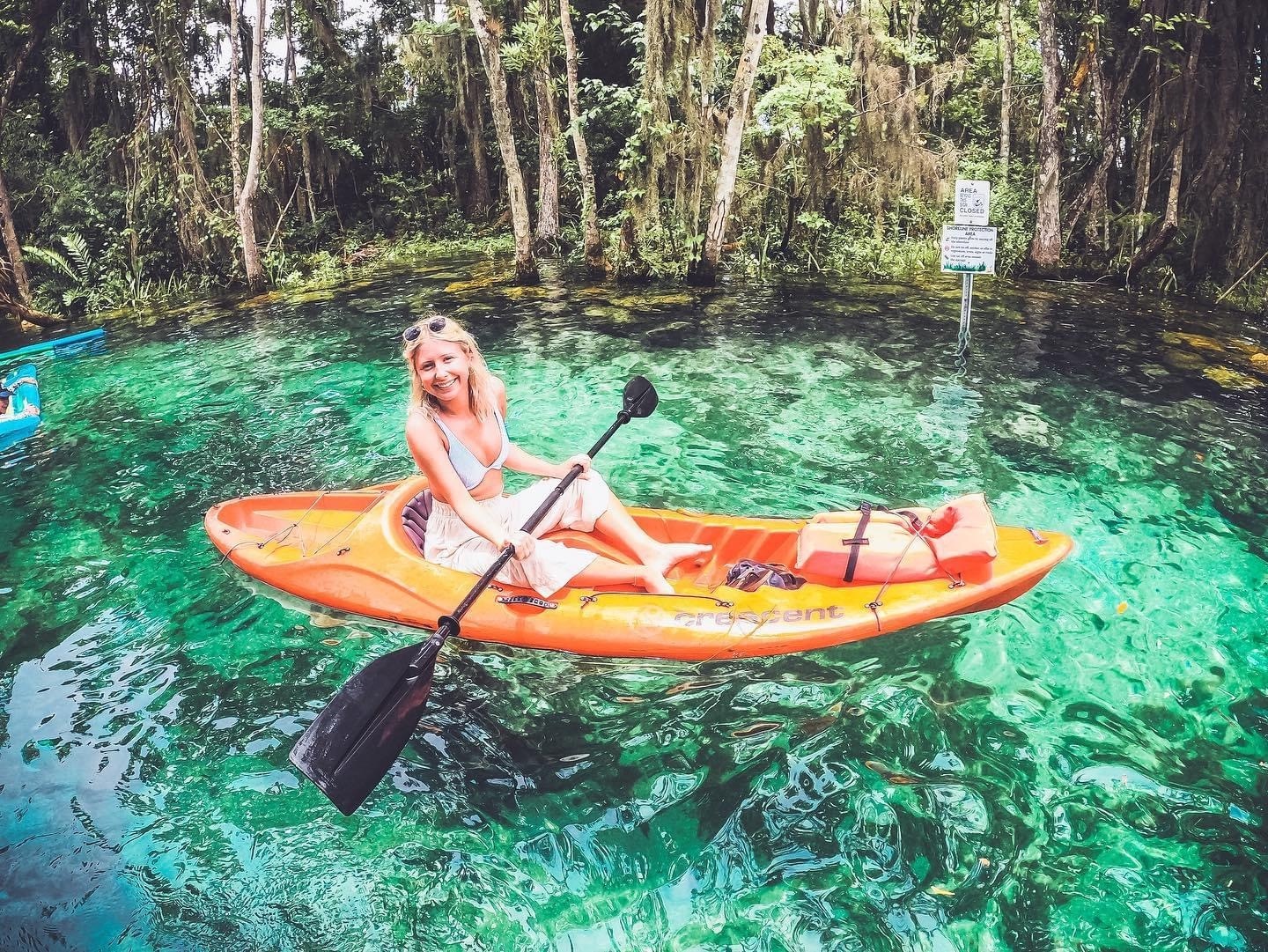
Culturally and ecologically, Yankeetown sits on the edge of the Cedar Keys and the wider Nature Coast, an area with a long history of fishing, small-boat navigation, and conservation. Local guides and outfitters tend to be fishermen first and naturalists second; their knowledge of currents, seasonal shifts, and hidden shoals is invaluable. Complementary activities—paddling mangrove channels, birding mudflats at low tide, or kayaking the Withlacoochee—pair perfectly with snorkeling days and deepen your understanding of the coastal food web. Above all, snorkeling here is an exercise in attention: the rewards build slowly the more you look, and the best encounters come when you adapt to the tide, respect fragile habitats, and move with patience.
The Nature Coast’s calmer inshore waters favor family-friendly snorkeling and accessible shore entries; boat access expands options but is not required for meaningful wildlife encounters.
Seasonal shifts bring different highlights: spring and summer are best for juvenile fish and seahorses, while fall can concentrate larger predators and clearer water after droughts or settled weather patterns.
Choose by purpose
Whale watching, snorkeling, sunset sailing, cultural canoeing, harbor sightseeing, or private chartering.
Start near the city
Waikiki and Honolulu Harbor are primary hubs, with some trips launching near Hanauma Bay.
Confirm the vessel
Gangways, shaded seating, and boarding requirements vary according to vessel size and operator.