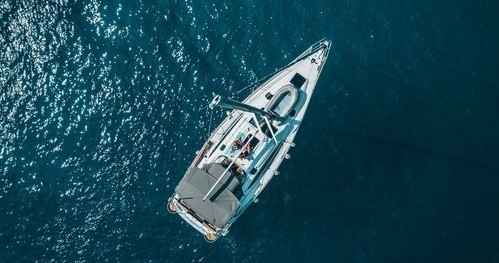
Sailing in Yosemite reframes what most people imagine about the sport. Here, sails catch alpine gusts off granite ridges rather than coastal swells, and launch points can feel like secret doorways into a landscape carved by ice and time. The region’s waterbodies are a patchwork—high-elevation lakes, valley reservoirs, and broad stretches of slow-moving river—each offering a different temperament for small-boat sailors. Tenaya Lake, ringed by rounded granite and subalpine forest, delivers glassy mornings, sudden afternoon breezes, and postcard panoramas; Hetch Hetchy sits in a dramatic, human-shaped reservoir with quieter shorelines and a complicated conservation history; nearby managed lakes outside park boundaries expand options for longer days on the water. The act of sailing here is as much about reading mountain thermals, timing access along seasonal roads, and respecting fragile alpine ecology as it is about points of sail.
Beyond the practicalities, there’s a cultural and historical layer that deepens the experience. Yosemite’s lakes and reservoirs sit within a landscape long used and tended by indigenous peoples and later reshaped by 20th-century engineering and conservation conflict. Hetch Hetchy, in particular, is a locus of that history—its flooded valley still provokes strong conservation conversations that echo through the Sierra’s outdoor communities. For sailors this means the outing is rarely just recreation; it’s an entry point into ecological conversation and a reminder of the responsibilities that come with floating through sensitive high-country waters. Complementary activities—stand-up paddleboarding in sheltered bays, rock-scrambling shoreline hikes, alpine fishing, and evening photography sessions—pair naturally with short sail days, turning a single outing into a small itinerary of place-based experiences.
Practical realities shape the rhythm of sailing here. Seasonal access to high-elevation launch sites hinges on snowmelt and road openings; winds are diurnal and can swing from placid at dawn to brisk and gusty by midafternoon; water temperatures stay cold long into summer. That combination rewards nimble planning: early starts, flexible itineraries, and modest expectations about distance covered. For those willing to plan around the region’s cadence, sailing in Yosemite offers a kind of concentrated wilderness intimacy—two or three hours of focused, sensory sailing that feels immersive and unusually still for a modern adventure.
Sailing integrates well with other Sierra activities: a morning sail can be followed by a lakeside picnic and a short alpine hike, or paired with an afternoon of climbing or photography at nearby granite overlooks. Local outfitters often combine rentals with shuttle suggestions and safety briefings geared to mountain wind patterns.
Environmental sensitivity shapes permitted activity. Many of the best launch points are small, rocky, and ecologically fragile. Pack-in/pack-out ethics, minimizing shoreline disturbance, and using non-invasive anchoring techniques keep these places open for future visitors.
Choose by purpose
Whale watching, snorkeling, sunset sailing, cultural canoeing, harbor sightseeing, or private chartering.
Start near the city
Waikiki and Honolulu Harbor are primary hubs, with some trips launching near Hanauma Bay.
Confirm the vessel
Gangways, shaded seating, and boarding requirements vary according to vessel size and operator.