Adventure brief
Hawaii’s GOAT Experience: Mauna Kea Summit, Sunset & Stars
Experience Mauna Kea’s stunning summit sunset and private guided stargazing with Hawaii Island Holidays. Discover cosmic wonders and capture unforgettable moments at Hawaii’s highest peak.
Discover the awe-inspiring beauty of Hawaii’s Mauna Kea Summit with Hawaii Island Holidays on their exclusive GOAT Experience. This private guided tour offers an unforgettable journey to the Pacific’s highest peak, where you’ll witness a breathtaking sunset that paints the sky with vibrant hues. As the daylight fades, your guide will share fascinating stories about the historic astronomical observatories that helped capture the universe’s first black hole image.
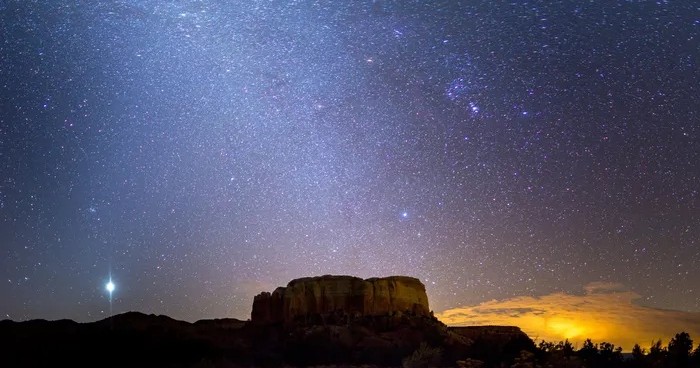
After the sun sets, the night sky becomes your playground during a special private stargazing session. Using a professional telescope, you’ll explore dazzling constellations, planets, and distant galaxies under one of the clearest dark skies on Earth. With minimal light pollution, Mauna Kea offers an unmatched celestial view.
The tour ends on a memorable note as your guide captures a personalized photo of you with the stars as your backdrop—an incredible keepsake from a unique Hawaiian adventure. This trip blends natural wonder, scientific discovery, and quiet reflection into one seamless and inspiring experience. Whether you’re a seasoned astronomy fan or a curious traveler, this sunset and stargazing tour promises moments that stay with you forever.
Adventure tips
Plan your experience.
Curated tips for an optimal adventure.
- 01Altitude Awarenessessential
Mauna Kea’s summit sits over 13,000 feet; take time to acclimate and stay hydrated to avoid altitude sickness.
- 02Dress in Layersessential
Temperatures drop quickly after sunset, so wear warm clothing even if the day feels mild.
- 03Bring a Camerainfo
A camera with low-light capabilities or manual settings lets you capture the stunning night skies.
- 04Use Sunscreenwarning
The UV exposure is strong at high elevation; apply sunscreen during the daylight portion of your tour.
Recommended gear
What to bring.
Layered Warm Clothing
Multiple layers help keep you warm as temperatures drop at the summit after sunset.
winterEssentialSturdy Hiking Shoes
Comfortable, supportive footwear is needed for uneven terrain on the summit and approach trails.
EssentialHeadlamp or Flashlight
Essential for safe navigation during the dark return trip after stargazing.
EssentialCamera with Manual Mode
Helpful for capturing the night sky and sunset with better control over exposure settings.
Local insights
Context for the journey.
Nearby secrets
Mauna Kea Ice Age Natural Area Reserve, Imiloa Astronomy Center in Hilo
Local fauna
Nene Goose (Hawaii's state bird), Hawaiian Hawk (Io)
Historic heritage
Mauna Kea is a sacred mountain in Hawaiian culture and hosts world-class observatories used in groundbreaking astronomical research.
Mindful exploration
Efforts protect the fragile summit environment and respect cultural sites while promoting sustainable tourism practices to preserve Mauna Kea’s natural beauty.
Photography tips
Capture the moments
- Viewpoints
- Summit Visitor Information Station, Mauna Kea Observatory, Lake Waiau overlook
- Subjects
- Sunset skies, Celestial bodies and stars, Mountain landscapes
- Best times
- Sunset, Blue hour, Night (after sunset)
Frequently asked questions
Before you go.
Is the tour suitable for children?
This tour is best suited for teenagers and adults due to altitude and nighttime conditions, but children over 10 may join with prior consultation.
What should I bring with me?
Bring warm layered clothing, sturdy shoes, sunscreen, water, and your camera; your guide will provide telescopes and additional gear.
Are meals included during the tour?
Meals are not included, but light snacks and refreshments are typically offered during breaks.
How high is Mauna Kea's summit?
The summit sits at approximately 13,796 feet (4,205 meters), making it the tallest peak in the Pacific region.
Will I need to acclimate before the tour?
It's recommended to spend some time in Hilo or lower elevations prior to the tour to help your body adjust to the altitude.
What happens if the summit is closed due to weather?
In case of summit closures, your guide will adjust the itinerary to focus on lower elevation stargazing spots, maintaining the experience quality.