Wilderness Landscape & Natural Heritage
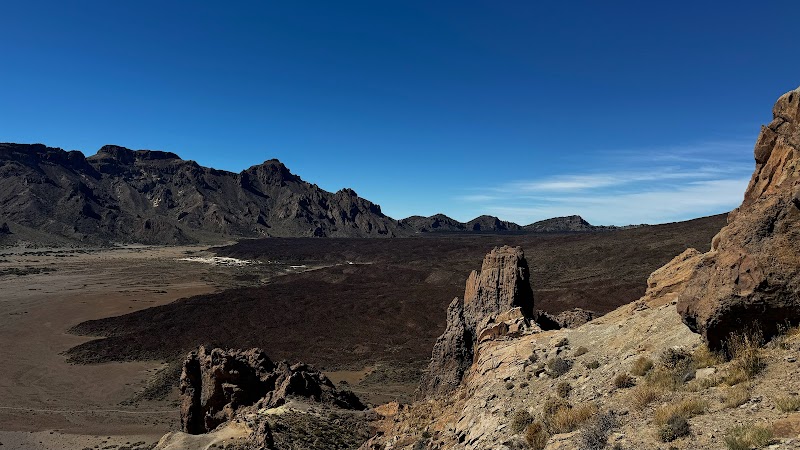
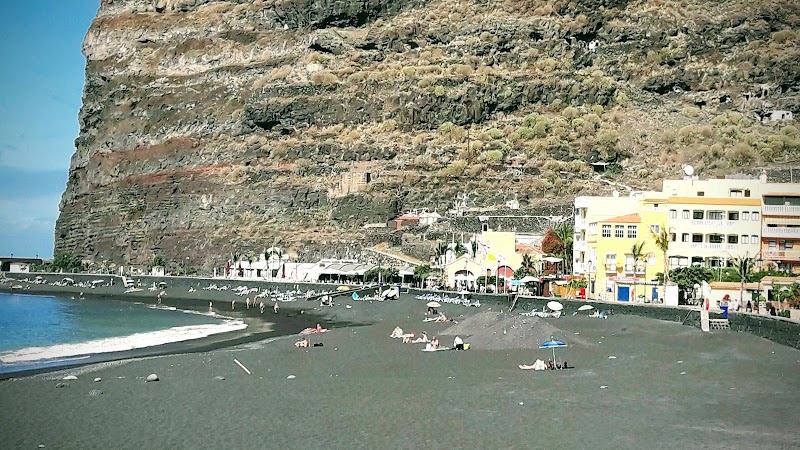
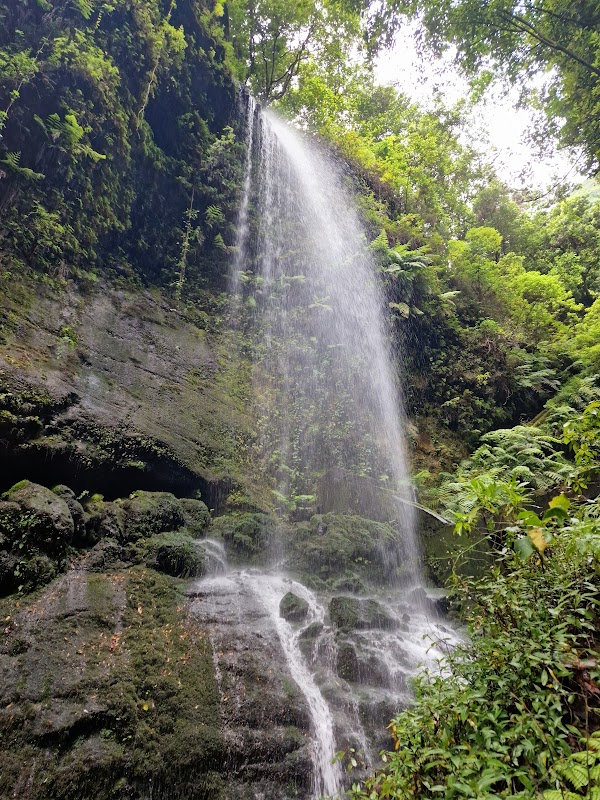
Located on the northwestern-most island of the Canary Islands archipelago, the Biosphere Reserve of La Palma encompasses the entirety of La Palma Island, covering diverse landscapes from rugged coastlines to lush laurel forests and dramatic volcanic terrain. The reserve spans approximately 708 square kilometers and protects unique ecosystems that include endemic flora and fauna adapted to the island’s volcanic origin and subtropical climate. Notable geographic features include the Caldera de Taburiente National Park, a giant volcanic crater surrounded by steep cliffs and dense pine forests, and the Cumbre Vieja volcanic ridge which has experienced recent eruptions, offering dynamic geological interest. La Palma's biosphere status acknowledges both ecological values and sustainable human activity such as traditional small-scale agriculture, forestry, and ecotourism. Outdoor recreation is a strong appeal with extensive hiking networks, including routes passing through UNESCO-designated dark sky protected areas known for some of the clearest night skies worldwide, attracting amateur astronomers. Visitors also enjoy swimming at natural lava pools, mountain biking on volcanic tracks, and discovering historic towns dotted with traditional Canarian architecture. The island balances conservation and tourism with an emphasis on protecting endemic species, such as the La Palma giant lizard and Canary Islands chaffinch. Its temperate sub-humid climate ensures year-round outdoor access, making it a favored location for nature lovers, photographers, and adventure travelers seeking tranquility, dramatic scenery, and cultural richness on a small yet ecologically significant island.