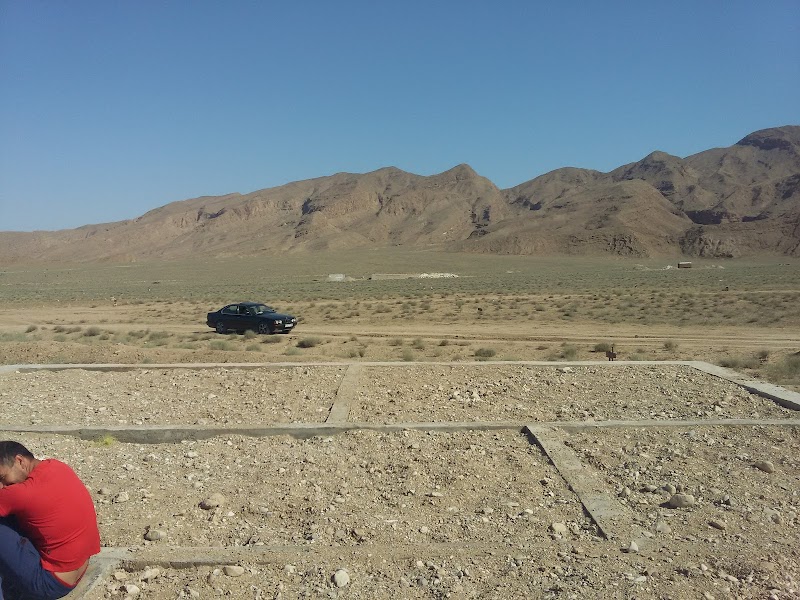
Wilderness Landscape & Natural Heritage
Situated in the eastern part of Turkmenistan's Karakum Desert, the Repetek Biosphere State Reserve was established in 1928 to safeguard one of the most pristine desert ecosystems on earth. Covering vast sandy plains, dunes, and sparse desert vegetation, it serves as an important research site for desert ecology, particularly the study of plant and animal species adapted to extreme arid conditions and shifting sands. The reserve represents a classic sand desert habitat with specialized flora such as Saxaul trees and ephemeral grasses, and fauna includes rare desert mammals like goitered gazelles, sand cats, desert monitor lizards, and numerous reptile and bird species, including migrating cranes. Unlike traditional national parks geared towards tourism, Repetek prioritizes conservation and scientific research, limiting public access to reduce human impact. Visitors, mainly scientists and ecotourists, can experience the vast, open desert landscapes with its dramatic sand dunes and nighttime skies, ideal for wildlife observation and photography. The reserve also plays a vital role in monitoring climate change effects on desert environments. The surrounding region includes small settlements but offers minimal visitor infrastructure. While not built for casual recreation, adventurous travelers who gain special permission find a remarkable natural laboratory and a glimpse into the biodiversity of one of Central Asia's most extreme habitats.