Wilderness Landscape & Natural Heritage
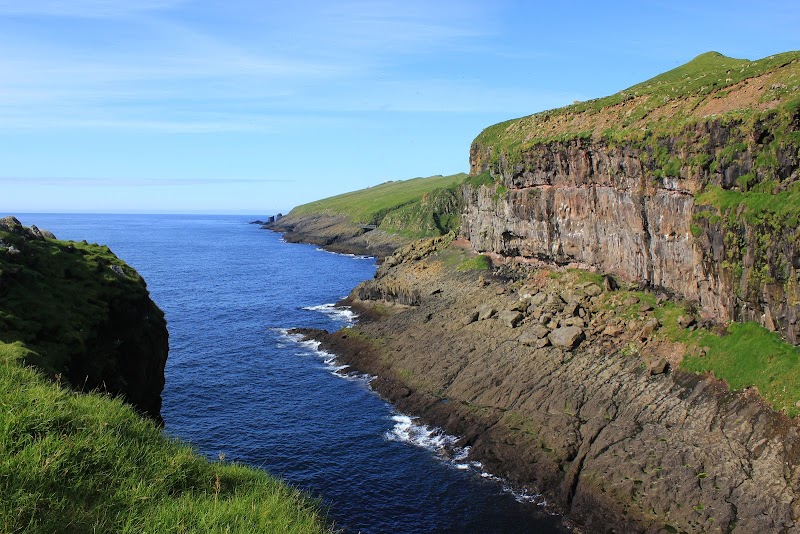
The Faroe Islands Bird Protection Areas encompass numerous designated sites across the 18 rugged islands of the North Atlantic archipelago situated between Iceland, Scotland, and Norway. These areas are internationally recognized for their vital role in protecting large breeding colonies of seabirds, including puffins, guillemots, kittiwakes, and storm petrels. The geography is characterized by steep cliffs, dramatic fjords, and grassy plateaus, providing ideal nesting habitats for millions of birds. The climate is cool and maritime, contributing to rich marine ecosystems that sustain the bird populations year-round. Human habitation is sparse and conservation-driven, with many sites inaccessible to the public or only available via guided tours during limited seasons to minimize disturbance. Birdwatching is the primary outdoor activity here, drawing ornithologists and ecotourists who value the chance to witness unparalleled wildlife spectacles, including mass puffin flights and gannet dives off cliff faces. Historic Faroese culture deeply intertwines with the islands’ natural environment, with traditional bird hunting practices largely regulated to ensure sustainable populations. Notable landmarks within these protection areas include towering basalt cliffs such as Vestmanna Bird Cliffs and grass-covered islets like Mykines, famous for their accessibility to bird colonies. Visitors are attracted by the islands’ raw, wild beauty, combining rugged hiking along the coast with opportunities to photograph and learn about seabird conservation in an increasingly fragile ecosystem.