Wilderness Landscape & Natural Heritage
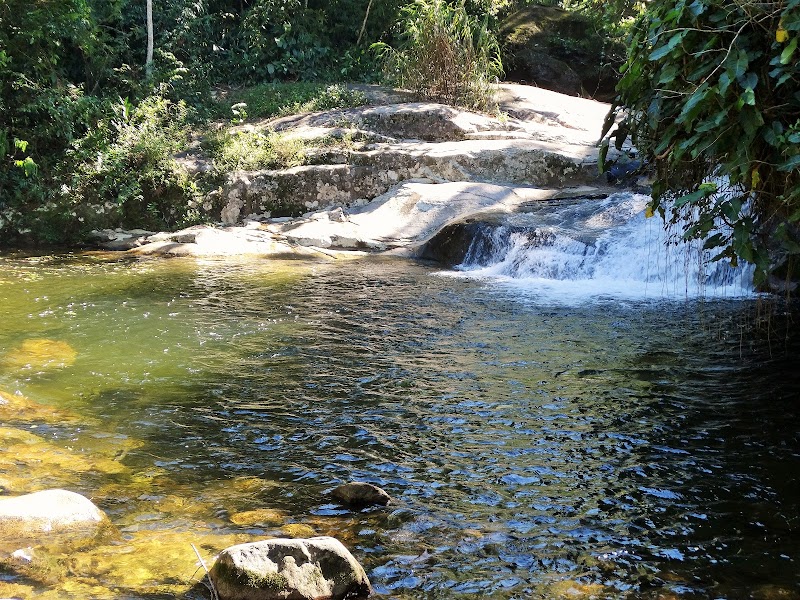
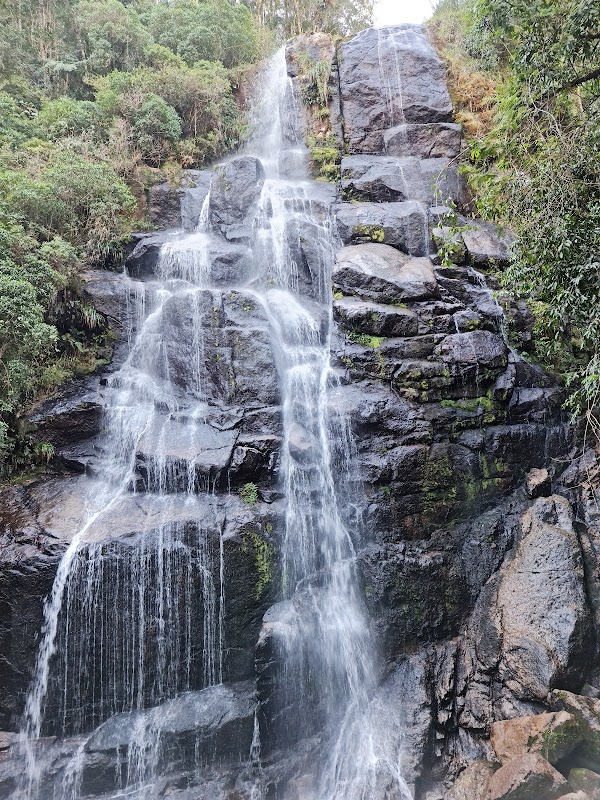
Área de Proteção Ambiental (APA) de Ilhabela is a federally designated Environmental Protection Area that covers most of Ilhabela Island, located off the northern coast of São Paulo state in Brazil. Established in 1985, the APA spans approximately 27,000 hectares, aiming to sustainably manage the region’s unique ecosystem and cultural heritage. The island is predominantly covered by remnants of the Atlantic Forest biome, one of the world's richest and most threatened tropical rainforests, featuring steep mountains, dense vegetation, and numerous waterfalls and natural pools. Its biodiversity includes endemic and endangered species such as the black lion tamarin and the southern muriqui monkey. The APA serves both conservation and sustainable development goals, balancing protection with traditional fishing and tourism. Ilhabela’s outdoor attractions include extensive trails through rainforest leading to pristine beaches like Praia do Curral and the iconic Bonete Beach, accessible only by foot or boat. The island is also a hotspot for birdwatching, snorkeling, and diving due to its rich marine life. Key landmarks within the APA include the Pico de Baepi, the island’s highest peak offering panoramic views, and the Cachoeira da Toca waterfall complex. Ecotourism is well developed with guided tours emphasizing education and respect for natural and cultural resources. Visitors are drawn by the combination of adventure and nature immersion, with numerous opportunities for camping, trekking, and observing wildlife in an environment largely untouched by urban sprawl.