Wilderness Landscape & Natural Heritage
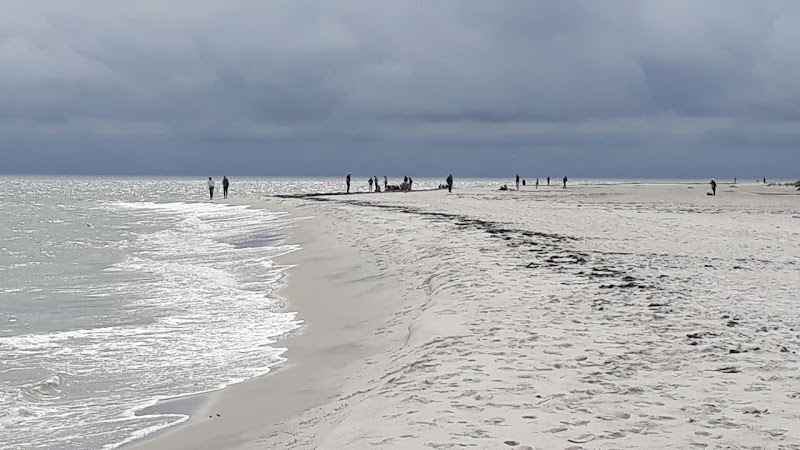
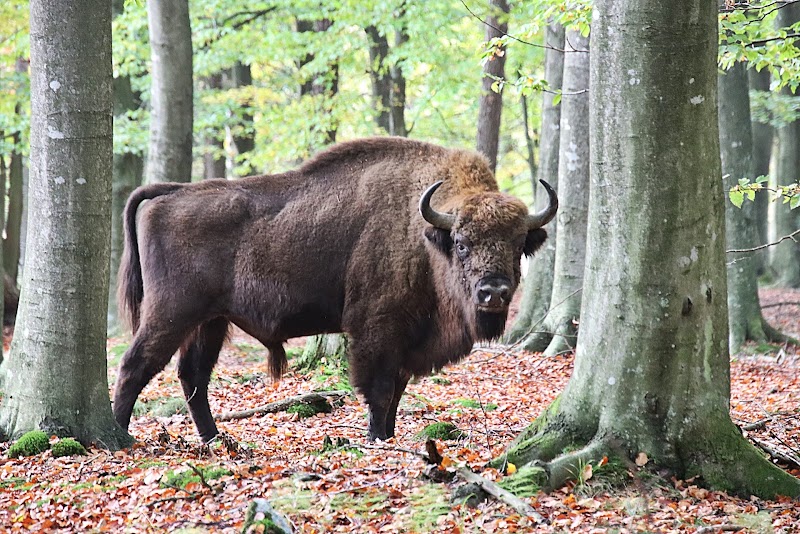
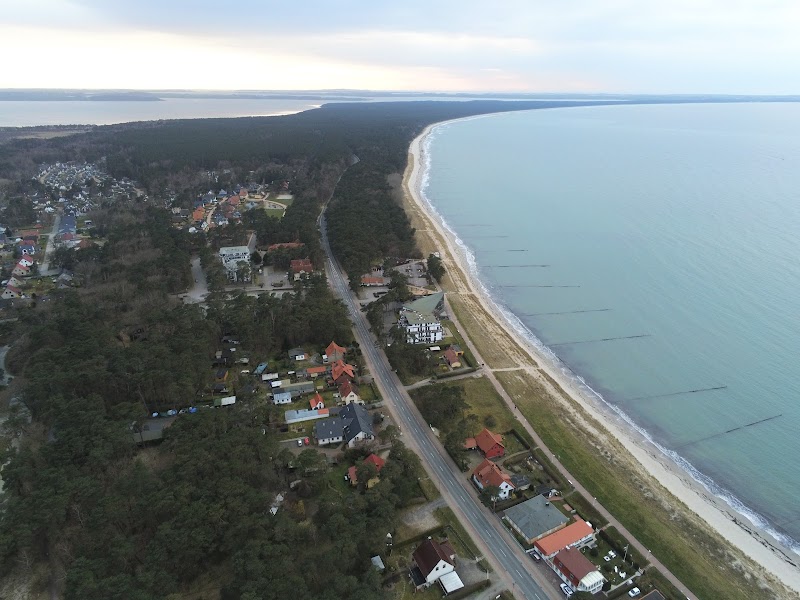
Natura 2000 is an extensive network of protected sites across the European Union, created under the Habitats Directive (1992) and Birds Directive (1979). Unlike a single park or reserve, Natura 2000 covers over 27,000 sites spanning terrestrial, freshwater, and marine environments in 27 EU member states. The geographic scope ranges from Mediterranean coasts and Alpine mountain ranges to peatlands and boreal forests, reflecting Europe's diverse environments. The primary goal of Natura 2000 is to preserve Europe's most valuable habitats and species through sustainable management rather than strict exclusion of human activities. This means agriculture, forestry, fishing, and tourism can be allowed under conditions that support conservation goals. Key habitats protected include heathlands, dunes, wetlands, old-growth forests, and seagrass beds. Species protected range from the Iberian lynx and European bison to rare orchids and migratory birds. Visitors to Natura 2000 sites can enjoy a variety of outdoor experiences such as hiking on marked trails, bird watching in wetlands, coastal kayaking, and seasonal wildlife viewing. Many sites incorporate interpretive trails and visitor centers that provide educational resources about local ecology and conservation efforts. The network encourages eco-friendly tourism and promotes awareness of the value of natural areas for ecosystem services and cultural heritage. Some Natura 2000 sites are also UNESCO World Heritage Sites or coincide with national parks and nature reserves. Overall, Natura 2000 plays a crucial role in conserving Europe's natural heritage while supporting local communities and sustainable recreation.