Wilderness Landscape & Natural Heritage
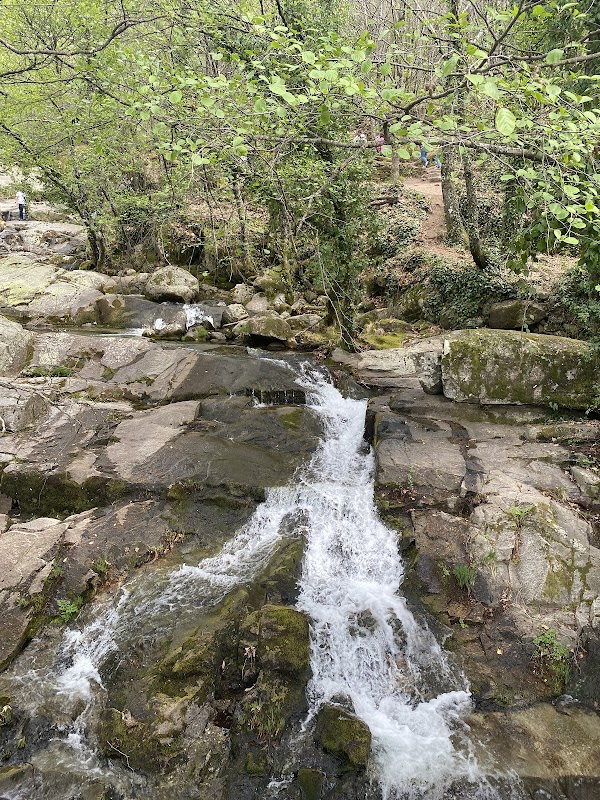
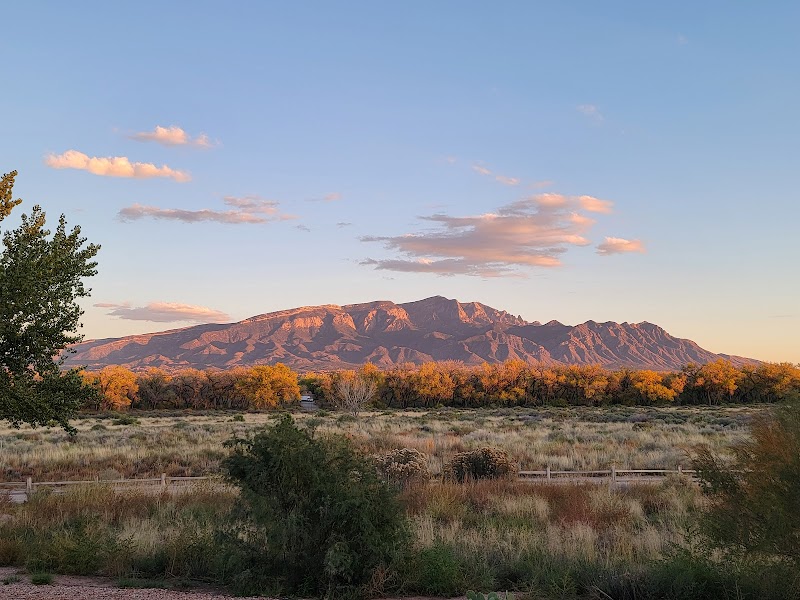
Las Villuercas-Ibores-Jara Geopark, located in the southwestern part of Spain within the Extremadura autonomous community, is a UNESCO-designated geopark known for its extraordinary geological formations and rich natural heritage. Spanning approximately 3,700 square kilometers, the geopark encompasses the mountain ranges of Villuercas, the Ibores area, and the Jara region, featuring dramatic Paleozoic and Mesozoic rock outcrops, karst landscapes, and fossil sites that illustrate 500 million years of Earth's history. The landscape is rugged with prominent limestone peaks, deep valleys, and caves that attract geologists and outdoor enthusiasts alike.
Ecologically, the geopark boasts sprawling Mediterranean forests composed of holm oaks, cork oaks, and chestnut trees, serving as habitat for emblematic wildlife such as the Iberian lynx, Spanish imperial eagle, black stork, and wild boar. The area’s rivers and streams contribute to a varied habitat matrix supporting an array of bird and amphibian species. Historically, the region is dotted with medieval villages, Roman ruins, and traditional agricultural landscapes, reflecting centuries of human settlement adapted to the natural environment.
Visitors to Las Villuercas-Ibores-Jara Geopark can explore a network of hiking and mountain biking trails, visit spectacular viewpoints like the Pico Villuercas (also known as La Villuerca), and explore geological sites such as the fossil-rich limestone quarries and karst caves. Local towns provide welcoming accommodations and authentic culinary experiences based on regional products. The geopark’s blend of outdoor adventure, scientific interest, and cultural heritage offers a compelling destination for nature lovers, geotourists, and history enthusiasts.