Wilderness Landscape & Natural Heritage
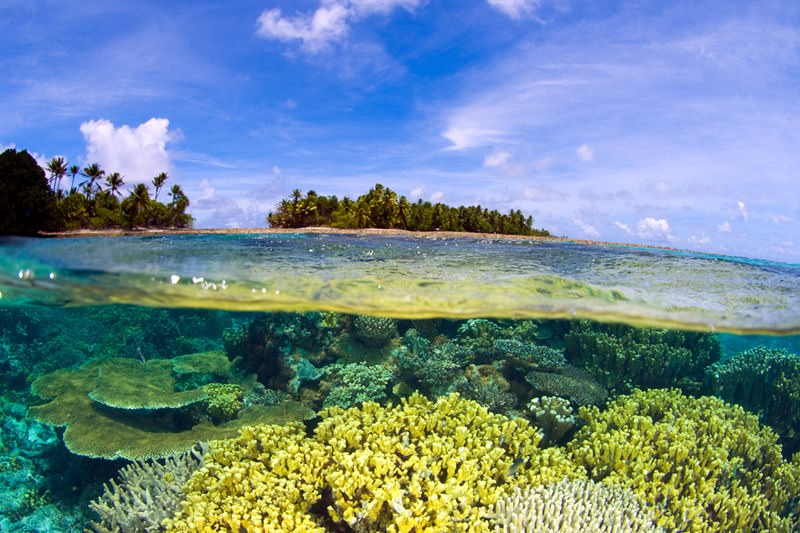
Bikini Atoll, part of the Republic of the Marshall Islands, is a site of great historical and ecological significance. Located in the Pacific Ocean, it consists of 23 islands surrounding a 230-square-mile central lagoon. It gained notoriety as a nuclear testing ground for the United States between 1946 and 1958, when 23 nuclear devices were detonated. This history has left an indelible mark on the atoll, both culturally and environmentally. Today, Bikini Atoll is a premier diving destination, attracting enthusiasts eager to explore its underwater graveyard of sunken warships and aircraft, relics of the atomic tests. These submerged artefacts have transformed into vibrant artificial reefs, teeming with marine life, offering both historical context and a unique ecological experience. Also notable are its coconut trees and endemic bird species, demonstrating nature's resilience and adaptation. While public access is limited due to its remote location and past nuclear activities, Bikini Atoll stands as a poignant reminder of the power of nuclear weapons and a symbol of both destruction and nature's capacity for recovery.