Wilderness Landscape & Natural Heritage
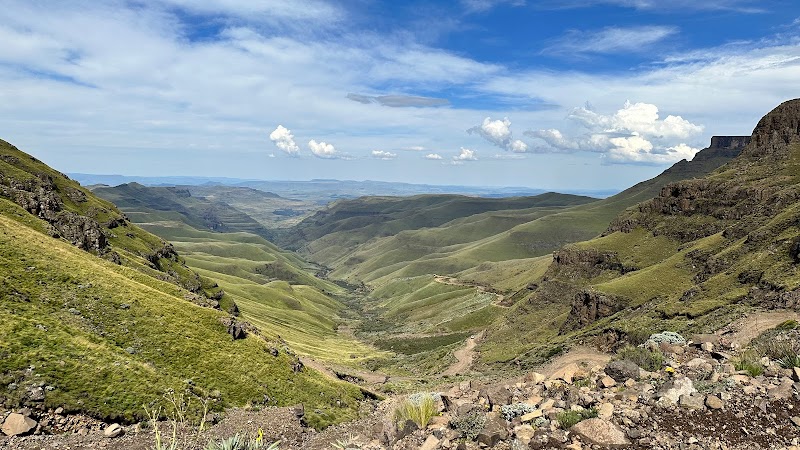
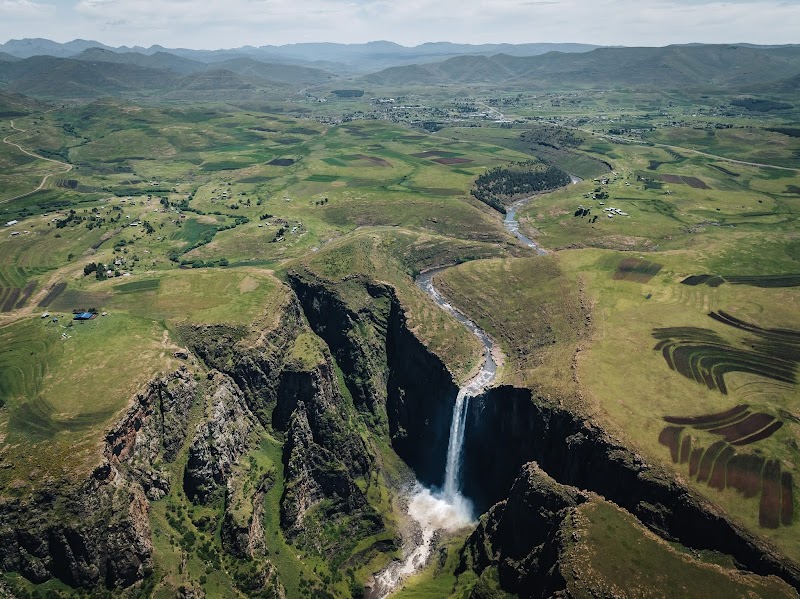
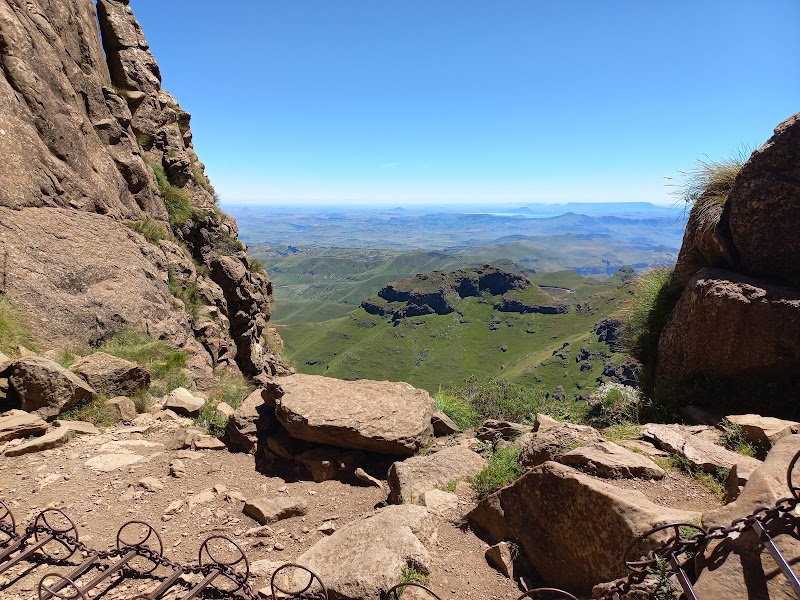
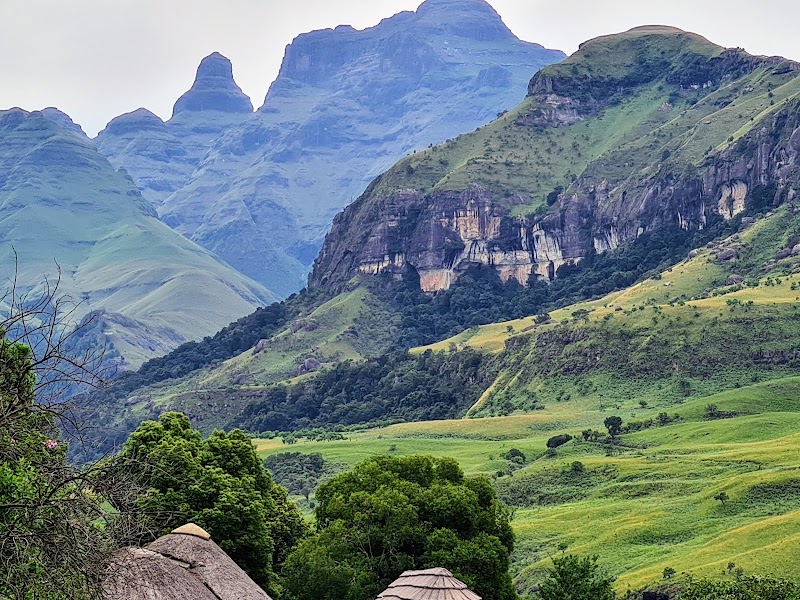
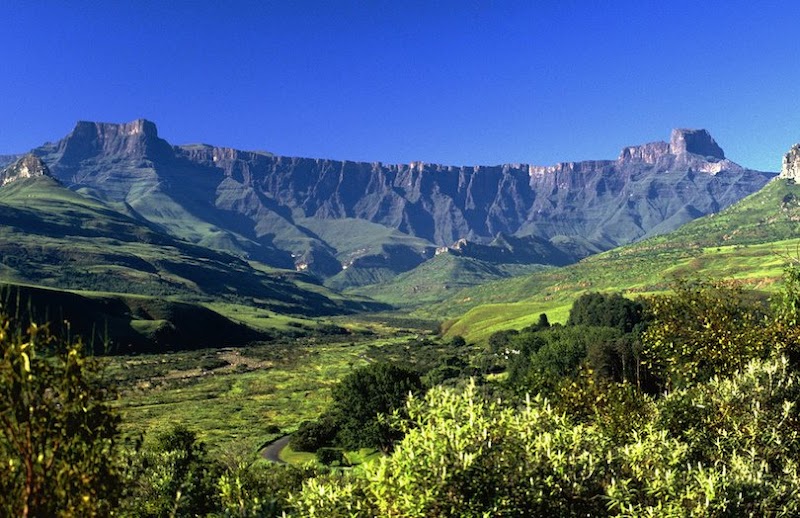
The Drakensberg World Heritage Site covers approximately 242,813 hectares across the KwaZulu-Natal and Free State provinces of South Africa, protecting one of the most impressive mountain ranges in Southern Africa. Characterized by steep basalt cliffs rising sharply above lush valleys, the Drakensberg (meaning 'Dragon Mountains') form the eastern portion of the Great Escarpment, creating a natural boundary. The region experiences a temperate climate with summer thunderstorms and snowy winters at higher elevations. Ecologically, the site is home to diverse Afro-montane grasslands, forests, wetlands, and endemic species including Drakensberg aloes and several rare amphibians. It is also recognized for hosting over 600 sites of San rock paintings, some dating back 4,000 years, which offer valuable insight into the culture and spiritual life of the indigenous San people. Popular outdoor activities include multi-day hiking on trails such as the Amphitheatre hike in the Royal Natal National Park, rock climbing on basalt cliffs, and bird watching for species like the bearded vulture. Notable landmarks include the sheer face of the Amphitheatre, the Tugela Falls—Africa’s tallest waterfall—and the Giant’s Castle Nature Reserve, which shelters endangered wildlife. Visitors are drawn to both the natural grandeur and rich cultural heritage, making the Drakensberg a premier destination for nature lovers and history enthusiasts alike.