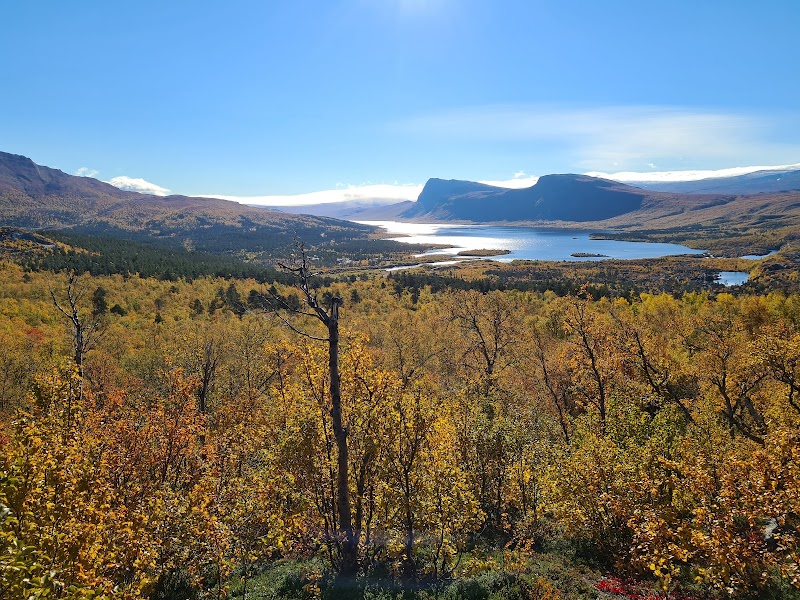
Wilderness Landscape & Natural Heritage
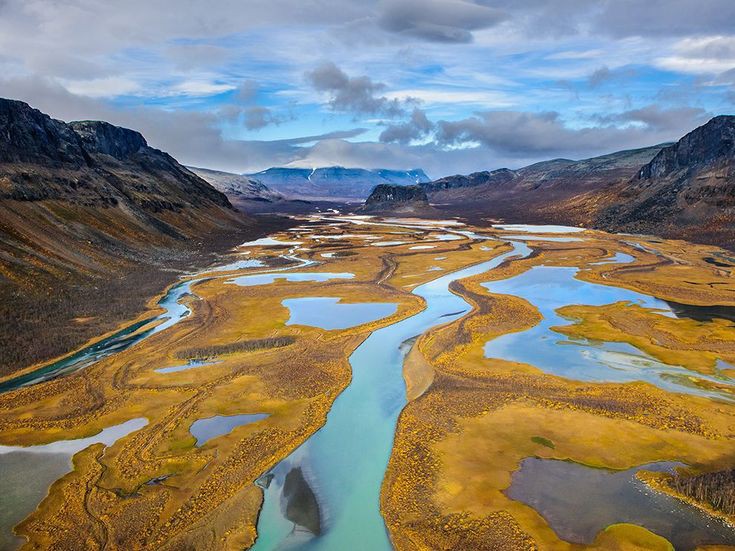
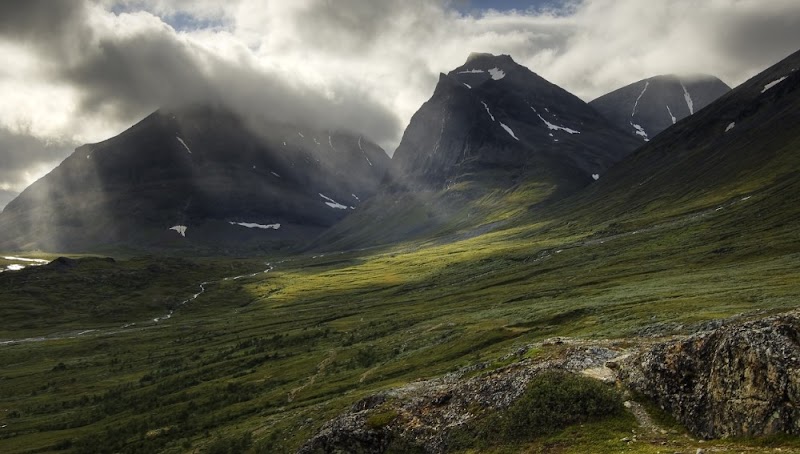
The Laponian Area is located in the far north of Sweden, encompassing approximately 9,400 square kilometers of mountain plateaus, alpine forests, deep valleys, and glacial lakes. It is one of Europe's largest wilderness areas and includes several national parks and nature reserves such as Sarek, Muddus, Padjelanta, and Stora Sjöfallet National Parks. The area has a subarctic climate with long, cold winters and short, cool summers. It has been continuously inhabited by the indigenous Sámi people, whose traditional livelihood of reindeer herding and cultural practices remain integral to the region. The Laponian Area was designated a UNESCO World Heritage site in 1996 for its outstanding natural and cultural values, recognizing the harmonious relationship between the Sami and the environment.
Visitors to the Laponian Area can explore extensive trail networks featuring both challenging multi-day treks across rugged terrain and more accessible day hikes near cultural sites. Wildlife is abundant, with species such as reindeer, wolverines, Arctic foxes, and various birds of prey found here. The dramatic landscapes include towering mountain peaks, pristine rivers, and ancient forests, making it a sought-after destination for photographers, nature lovers, and adventure travelers. Facilities are limited to preserve the wild character, so visitors should be prepared for remote and self-reliant travel. Guidance on respecting Sami cultural sites and sustainable tourism is promoted by local authorities. The confluence of wilderness experience and living cultural heritage makes the Laponian Area unique in northern Europe.