Wilderness Landscape & Natural Heritage
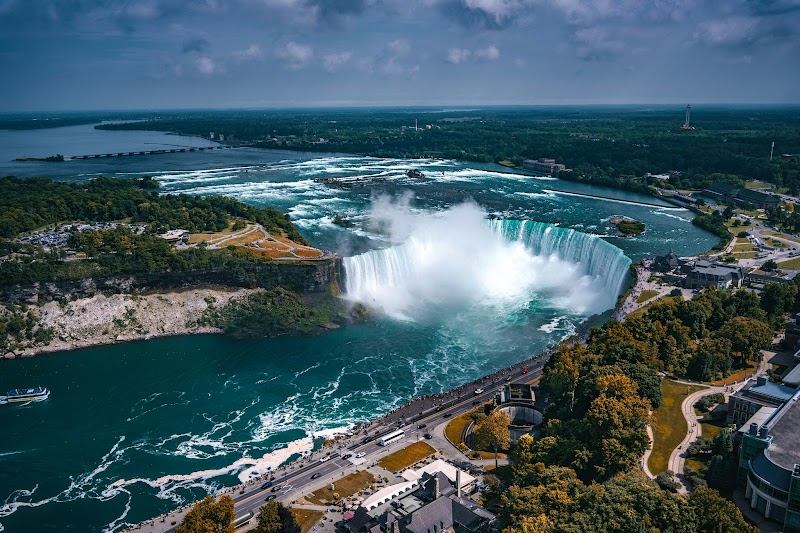
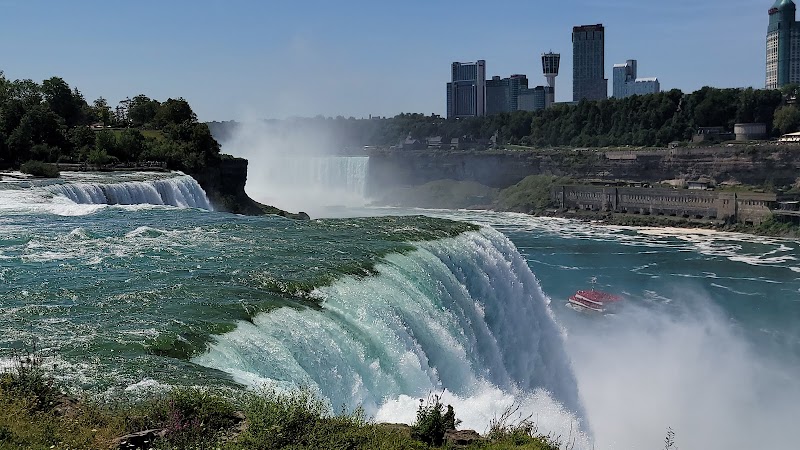
The Niagara River Corridor stretches approximately 35 miles along the Niagara River, which serves as a natural border between the U.S. state of New York and the Canadian province of Ontario. This protected area is known for its spectacular waterfalls, including the unmatched Niagara Falls, where dramatic hydrology and geology converge. The corridor comprises diverse landscapes such as riverbanks, wetlands, woodlands, and parklands that support vibrant ecosystems with rich plant and animal life, including migratory birds and native fish species. Its cultural history is significant, reflecting centuries of Indigenous peoples’ heritage, European settlement, and industrial development influenced by hydropower. Outdoor enthusiasts can explore numerous recreational opportunities including hiking on well-maintained trails, kayaking and canoeing along the river, fishing, and seasonal birdwatching. Iconic landmarks such as the Niagara Gorge, Whirlpool Rapids, and historic forts enhance the visitor experience. Both the U.S. and Canadian sides offer parks and scenic overlooks that attract millions annually. The Niagara River Corridor also plays an important role in conservation, aiming to protect natural habitats while promoting sustainable tourism and education. Visitors are drawn to the area not only to witness its breathtaking views and outdoor activities but also to appreciate the rich historical context and ongoing environmental stewardship efforts.