Wilderness Landscape & Natural Heritage
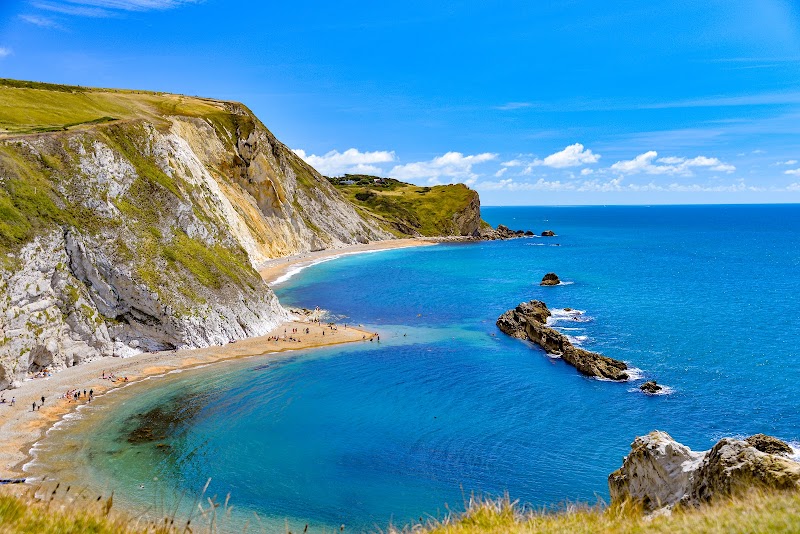
The Severn Estuary Heritage Coast stretches along the southwestern UK coastline, bordering England and Wales. It covers an extensive intertidal area where the River Severn meets the Bristol Channel, creating one of the largest tidal ranges in the world, exceeding 14 meters (nearly 50 feet). This unique physical geography creates extensive mudflats, saltmarshes, sandflats, and rocky shores that support an exceptionally diverse ecosystem. The estuary is internationally important for migratory birds and supports large populations of waders and wildfowl, making it a prime birdwatching destination. Important species include redshank, curlew, and shelduck, along with seals resting on rocky outcrops. The coastline also holds historical significance with remnants of ancient settlements, Roman occupation, and industrial heritage related to maritime trade and port activities. Popular recreation includes walking along designated coastal paths like the South West Coast Path, wildlife watching hides, and guided boat tours to observe seals and birdlife. The area's saltmarshes and estuarine habitats contribute to flood defence and coastal resilience, enhancing its natural value. Visitors can enjoy stunning views over the wide tidal reaches, particularly from locations such as Aust Cliff and Sand Point. The heritage coast designation helps conserve its outstanding natural beauty, cultural heritage, and environmental importance while promoting sustainable public access and outdoor experiences.