Wilderness Landscape & Natural Heritage
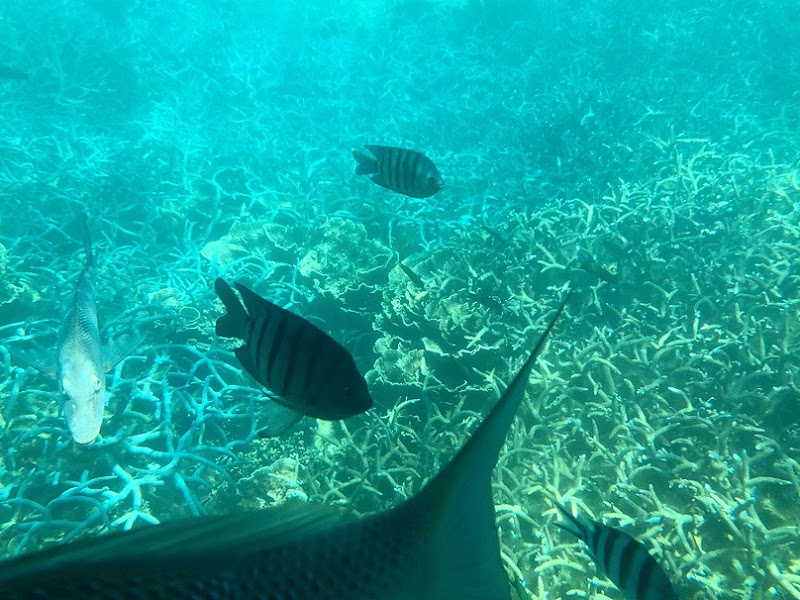
Shark Bay World Heritage Area is located on the westernmost point of Australia in the state of Western Australia. It encompasses approximately 2.2 million hectares of marine and terrestrial habitats, including large bays, peninsulas, and islands. The area is famous for its extensive seagrass meadows, which constitute one of the largest and richest in the world, supporting a diverse range of marine species such as dugongs, dolphins, turtles, sharks, and numerous fish species. Shark Bay also hosts the world’s most diverse and abundant stromatolites—ancient microbial formations that provide valuable insight into early life on Earth.
Historically, the area has been inhabited by the Malgana people for thousands of years, with their cultural heritage still evident in various archaeological sites around Shark Bay. European exploration began in the 1600s, and today the region is protected due to its outstanding ecological and cultural values. Key recreational activities include wildlife viewing, diving and snorkeling, fishing, boating, and walking along coastal trails. Notable landmarks include Monkey Mia, famed for its wild dolphin interactions, and Shell Beach, composed entirely of billions of tiny white shells.
Visitors are drawn to Shark Bay’s combination of natural beauty, rich biodiversity, and opportunities for hands-on nature experiences. The remote location ensures a more pristine environment, and the area offers options from rugged wilderness adventures to family-friendly outings. The World Heritage status helps safeguard Shark Bay’s fragile ecosystems and cultural sites, promoting sustainable tourism and scientific research.