Wilderness Landscape & Natural Heritage
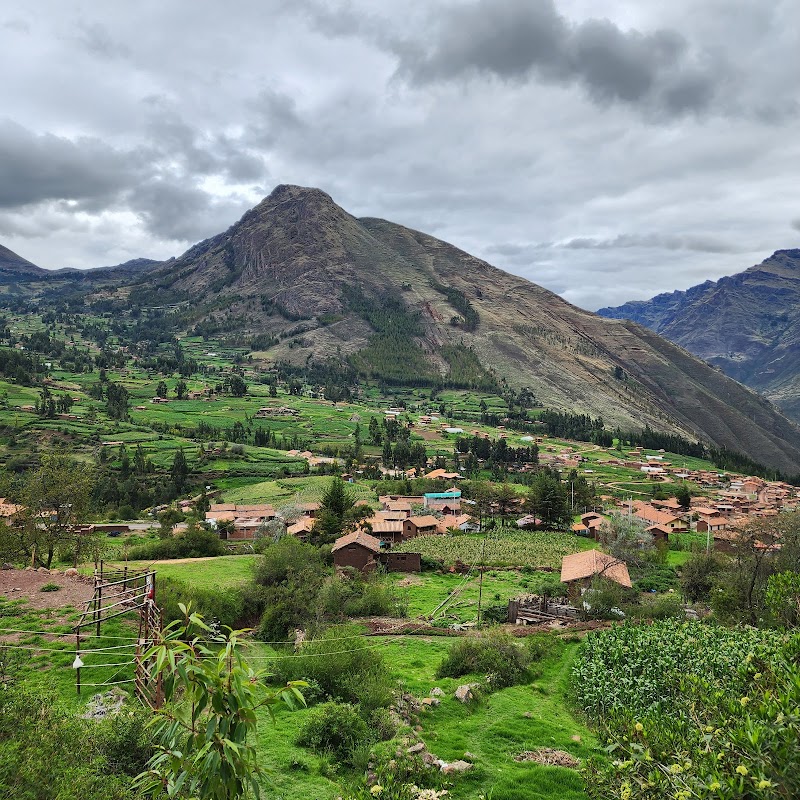
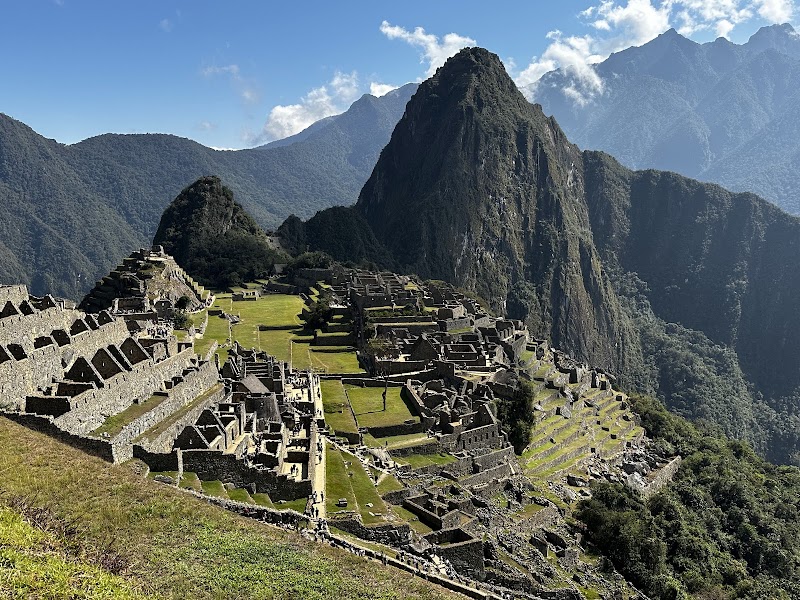
Machupicchu Historic Sanctuary spans over 32,500 acres in the Cusco region of Peru and encompasses a wide range of environments from rugged Andean mountain terrain to lush cloud forests. The Sanctuary is best known for housing Machu Picchu, the 15th-century Inca citadel perched on a mountain ridge at 7,970 feet elevation. This UNESCO World Heritage Site draws visitors worldwide to explore the ruins' remarkable stonework, terraced slopes, and panoramic views of surrounding peaks and the Urubamba River valley far below. The area supports diverse flora and fauna, including orchids, bromeliads, spectacled bears, spectacled caimans, and a variety of hummingbirds. Histories of the Incas and their architectural mastery are central to the site’s significance, with structures like the Intihuatana stone, Temple of the Sun, and Room of the Three Windows attracting scholars and travelers alike. Hiking is a major activity, notably via the Inca Trail leading to the Sun Gate, as well as alternative routes such as the Salkantay and Lares treks. Visitors may also partake in birdwatching, photography, and cultural experiences in nearby Andean communities. The sanctuary's combination of archaeological importance and natural beauty makes it one of South America’s premier travel destinations, requiring controlled visitor access to preserve its fragile environment and historical integrity.