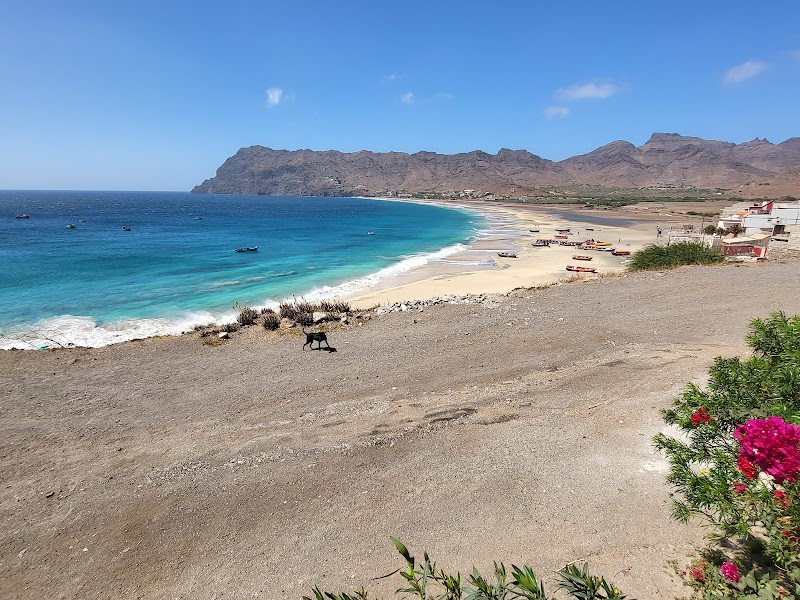
Wilderness Landscape & Natural Heritage
Ilhéu Raso is a rugged volcanic islet in the Cape Verde archipelago, located in the central Atlantic Ocean, west of the coast of Africa. Covering only around 5 square kilometers, it is part of the Barlavento group of islands and falls under the protected status of an Important Bird Area due to its vital role in supporting breeding populations of rare and endangered bird species. The island is particularly notable for being home to the critically endangered Raso Lark (Alauda razae), a species found nowhere else in the world. Other key bird species include the Cape Verde Shearwater and the Fea's Petrel. Vegetation is sparse but includes endemic shrubs and grasses adapted to the harsh, arid conditions. The terrain is primarily rocky with steep cliffs and minimal freshwater availability, which has helped preserve its pristine condition through limited human impact. Ilhéu Raso has no permanent human inhabitants, and access is highly restricted to protect sensitive wildlife habitats. The island is of great interest to ornithologists and conservation biologists, with occasional scientific expeditions conducted under strict regulation. Outdoor recreational activities are extremely limited and generally prohibited to prevent disturbance. The island’s main appeal lies in its ecological importance as a sanctuary for species vulnerable to extinction and its role within the larger network of protected islands in Cape Verde. Its remote location also adds to its value as a natural refuge. Conservation initiatives focus on habitat preservation, invasive species control, and monitoring of breeding success. While not open to conventional tourism, Ilhéu Raso represents a critical conservation priority within the Atlantic Ocean region.

