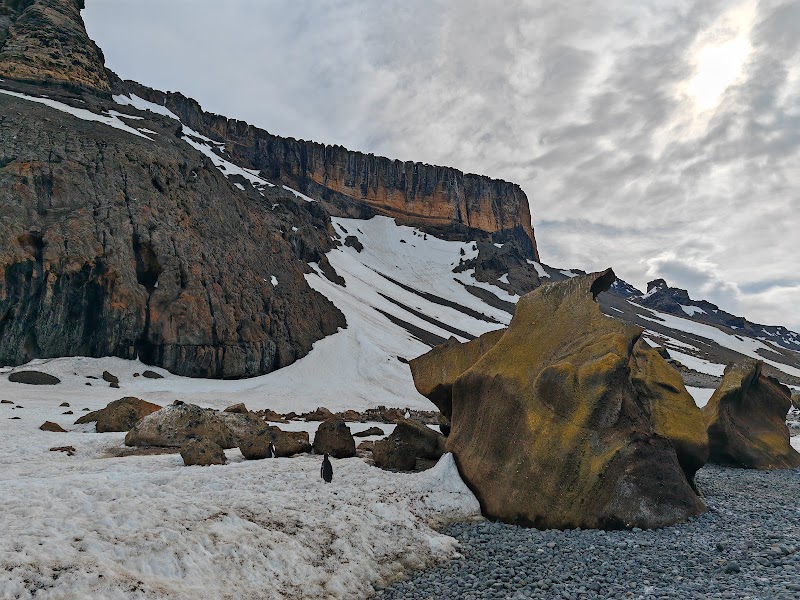
Imagine embarking on a voyage to the southernmost reaches of our planet, an unyielding expanse of ice and mystery known as Antarctica. Here, amidst towering glaciers and sprawling ice fields, lies ...
International Agreement3,500,000,0001+ Trails
1961INTERNATIONAL AGREEMENT
DesignationInternational Agreement
Total Wilderness Area3,500,000,000
Elevation / TerrainDiverse Wilderness
Field Editorial Guide
About Antarctic Treaty System
The Antarctic Treaty System is a pioneering international agreement dedicated to preserving the continent of Antarctica for peaceful and scientific purposes. It uniquely balances environmental protection with international collaboration.
Wilderness Landscape & Natural Heritage
The Antarctic Treaty System (ATS) was established in 1959 and came into force in 1961. It comprises the original treaty and related agreements which are collectively known as the Antarctic Treaty System. The treaty sets aside Antarctica as a scientific preserve, establishes freedom of scientific investigation, and bans military activity on the continent. Covering over 5.4 million square miles, the ATS establishes that Antarctica is a natural reserve, dedicated to peace and science. Its protections extend to the entire continent, ensuring that research rather than exploitation guides human activity. The governance under the treaty prohibits nuclear explosions and the disposal of radioactive waste in Antarctica. Moreover, it provides a framework for the management of the continent that includes environmental protection, conservation of flora and fauna, and careful regulation of human presence and activities. Renowned for its unique wildlife, including penguins, seals, and diverse marine life, the continent offers unparalleled opportunities for scientific research in climatology, glaciology, and biology. The treaty allows for the establishment of research stations but strictly controls tourism and other logistical activities, ensuring minimal ecological impact.
Field Guide · International Agreement
Adventure Destinations
Notable Destinations Near Antarctic Treaty System
Scenic viewpoints, outdoor landmarks, and notable points of interest within 60 miles.
Key Wilderness Highlights
✦ Research Stations: Hubs of global scientific research across diverse disciplines.✦ Unique Wildlife: Home to species like Emperor Penguins and Weddell Seals.✦ Ice Shelves: Vast floating ice formations such as the Ross and Ronne Ice Shelves.✦ Southern Ocean: Waters that are vital to global oceanic and climate systems.
Wilderness Visuals & Gallery
Visual Guide to Antarctic Treaty System
Wilderness Recreation
Outdoor Adventures in Antarctic Treaty System
Explore curated guides for top outdoor sports, trail networks, and wilderness activities.
Activity Field GuideAntarctic Treaty System
Hiking in Antarctic Treaty System
A Journey Through the Heart of the Antarctic Treaty System: Exploring the Last Great Wilderness
Imagine embarking on a voyage to the southernmost reaches of our planet, an unyielding expanse of ice and mystery known as Antarctica. Here, amidst towering glaciers and sprawling ice fields, lies an extraordinary story—the Antarctic Treaty System. This remarkable agreement, forged amidst the backdrop of the Cold War, means that this pristine land is preserved for peace and scientific inquiry, untouched by military ambitions or territorial disputes.
As you prepare to explore not just the ice underfoot, but the very principles that guide the stewardship of this wilderness, understand that the Antarctic Treaty System is more than legal jargon; it's a manifesto of collective responsibility. With its inception in 1959, a coalition of nations embarked on a monumental endeavor to ensure that this fragile ecosystem remains safeguarded for generations to come. Their collective voice, echoing in the robust agreements that form the treaty, champions the cause of cooperation in scientific research and environmental protection.
For adventurers drawn to this remote destination, the promise of infinite horizons comes with a practical edge. Crafting a successful journey in Antarctica requires meticulous planning and preparation. Tall tales of adventure aside, the realities of this rugged environment demand respect and readiness.
Begin your expedition by understanding the logistics. Most trips will be organized through experienced operators, often embarking from Ushuaia, Argentina, on the southern tip of South America. The journey across the Drake Passage is not for the faint-hearted, crossing a sea renowned for its rugged conditions. However, as the boat approaches the icy continent, prepare to be awestruck—massive icebergs bob in frosty waters, each one a unique work of art, sculpted by nature.
Opt for an expedition that balances adventure with education, as these tours typically include expert guides who can explain the significance of the treaty system and its implications for conservation. As you step onto the white continent, every crunch of snow beneath your boots whispers stories of the scientists who have worked tirelessly to unlock the secrets of climate history contained within the ice.
Timing your visit is crucial. The Antarctic summer runs from November to March, offering the warmest conditions for exploration. Dress in layers and ensure that your gear includes waterproof boots, thermal layers, and windproof jackets, as the weather can shift unexpectedly. Hydration is vital; the dry air can be deceivingly thirst-inducing. Always pack enough water or means to purify ice.
As you venture forth, the vistas are nothing short of awe-inspiring. Imagine towering peaks stretched across the horizon, punctuated by the occasional feeding seal or the majestic glide of penguins. The air is crisp, invigorating, and imbued with a sense of pristine peace that seems to quiet even your thoughts. The vastness of the landscape can feel overwhelming, yet it also invites introspection; here, civilization feels distant, and the whispers of scientific discovery resonate louder than ever.
Keep your eyes peeled for the effects of climate change on this untouched expanse. Ice shelves are rapidly retreating, a pressing reminder of the challenges faced across the globe. By witnessing these changes firsthand, adventurers are not only participants in the beauty of this land but also guardians of its conservation story.
Your experience in Antarctica shouldn't just be a fleeting visit to a land of ice. Instead, let it foster a sense of wonder, a call to arm you with knowledge about global stewardship. Engage with fellow explorers, share stories, and discuss the vital role of international cooperation enshrined in the Antarctic Treaty System—it's a narrative as rich as the landscape itself.
So, equip yourself with the knowledge and tools you need, and set out on this journey of not just exploration, but understanding. As you traverse this last great wilderness, let Antarctica’s icy expanse teach you about resilience, conservation, and the importance of harmony with nature. Together, we can advocate for a future where such places remain pristine—forever awe-inspiring, forever wild.
Other Available Activity Guides in Antarctic Treaty System:
The Ranger Station
Visitor Logistics & Essential Planning
Everything you need to know about entrance passes, seasons, visitor centers, road transit, and wildlife safety in Antarctic Treaty System.
Passes & Fees
Entrance Requirements & Interagency Passes
All visitors require permits; managed by national Antarctic programs.
Wilderness Checklist
Carry paper topographic map & compass in remote zones.
Store all food and scented items in approved bear canisters.
Check wildfire / smoke advisories before backcountry departure.