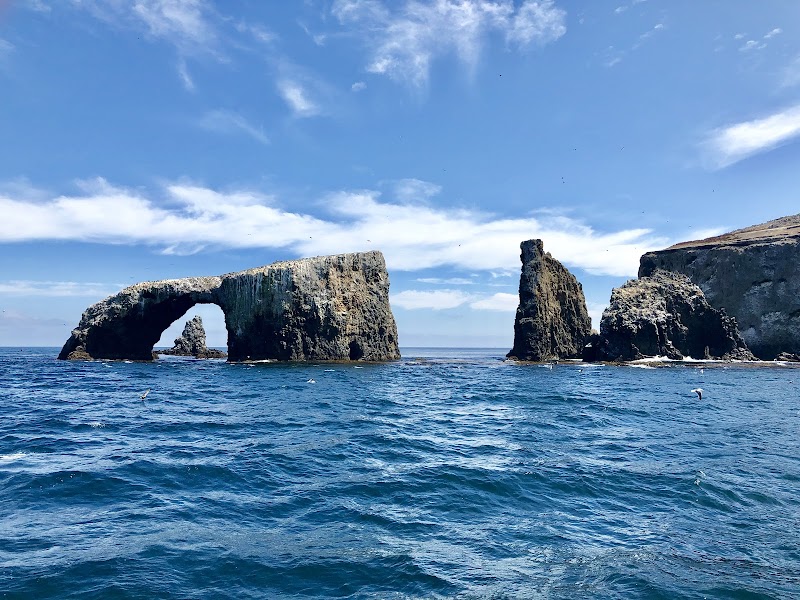
Wilderness Landscape & Natural Heritage
The Catalina Island Marine Protected Areas (MPAs) comprise several specially designated zones surrounding Santa Catalina Island off the coast of southern California. These MPAs include marine reserves and conservation areas established to protect the region's rich biodiversity and fragile underwater ecosystems, including kelp forests, rocky reefs, and seagrass beds. The island's surrounding waters are home to numerous marine species like Garibaldi fish, rockfish, sea lions, and occasionally migrating whales. These protections help maintain healthy fish populations and preserve habitats essential for spawning and juvenile growth. Visitors to Catalina Island MPAs enjoy exceptional recreational activities such as snorkeling and scuba diving in the clear, cool waters of the Pacific, kayaking, paddleboarding, and wildlife viewing from boats or shore. The protected zones are managed under California’s Marine Life Protection Act and support research and conservation efforts. Historically, Catalina Island has been a popular recreational destination since the early 20th century, with its marine ecosystems drawing naturalists and protection advocates. Today, the MPAs help balance human activity and resource sustainability. The island is also accessible via ferry from Long Beach, San Pedro, and Dana Point, making it a favored day-trip or overnight destination for outdoor enthusiasts. The rich underwater landscapes, combined with the island’s iconic landmarks like Two Harbors and the Wrigley Memorial, provide a unique blend of natural and cultural experiences.