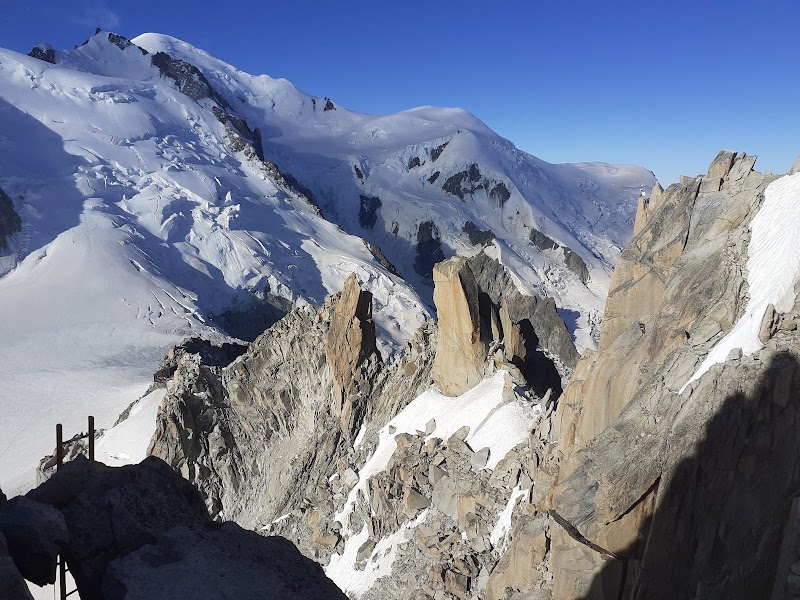
As you approach the Mont Blanc Massif, the heart beats faster with the promise of adventure. This region, towering above the French Alps, is a stunning blend of challenging terrains and breathtakin...
Mountain RangeN/A4+ Trails
N/AMOUNTAIN RANGE
DesignationMountain Range
Total Wilderness AreaN/A
Elevation / TerrainDiverse Wilderness
Field Editorial Guide
About Mont Blanc Massif
The Mont Blanc Massif is a stunning alpine landscape located in the Alps, stretching across France, Italy, and Switzerland. It offers a unique range of opportunities for outdoor enthusiasts, including hiking, climbing, and skiing.
Wilderness Landscape & Natural Heritage
The Mont Blanc Massif is a section of the Alps mainly located in France but also spans parts of Italy and Switzerland. Famous for its majestic peaks, with Mont Blanc being the highest at 4,809 meters (15,777 feet), it attracts mountaineers and outdoor adventurers from around the world. The massif features glaciers, rugged cliffs, and lush valleys, offering diverse ecosystems and habitats for native flora and fauna. Historically, it has been a focal point for alpine exploration, with a rich mountaineering history dating back to the 18th century. Visitors can enjoy activities such as hiking, climbing, skiing, and paragliding. The scenic beauty, along with iconic landmarks like the Aiguille du Midi and the Mer de Glace, makes it an appealing destination for nature lovers and photographers alike.
Field Guide · Mountain Range
Adventure Destinations
Notable Destinations Near Mont Blanc Massif
Scenic viewpoints, outdoor landmarks, and notable points of interest within 60 miles.
Key Wilderness Highlights
✦ The Aiguille du Midi cable car, which offers breathtaking views of the surrounding peaks.✦ The Mer de Glace, the largest glacier in France, accessible by the Montenvers railway.✦ Chamonix, a historic alpine town known for its role in the development of mountaineering.✦ The Haute Route, a challenging hiking trail from Chamonix to Zermatt.
Wilderness Visuals & Gallery
Visual Guide to Mont Blanc Massif
Wilderness Recreation
Outdoor Adventures in Mont Blanc Massif
Explore curated guides for top outdoor sports, trail networks, and wilderness activities.
Activity Field GuideMont Blanc Massif
Hiking in Mont Blanc Massif
Ascend the Majesty: A Practical Guide to Exploring the Mont Blanc Massif
As you approach the Mont Blanc Massif, the heart beats faster with the promise of adventure. This region, towering above the French Alps, is a stunning blend of challenging terrains and breathtaking vistas, offering hikers a unique communion with nature that combines both thrill and peace. Each peak rises like a sentinel against the sky, creating an unmistakable silhouette that beckons adventurers of all skill levels.
Picture this: you’re standing at the base of Mont Blanc, the highest peak in western Europe, with the crisp alpine air swirling around you, invigorating your spirit. The scent of pine and the distant sound of a rushing stream draw you in, while sunlight dances playfully around jagged rock faces. This moment serves as both an awakening and a call to action for your journey ahead.
The Mont Blanc Massif offers an array of hiking experiences, from leisurely ambles that meander through lush meadows to challenging ascents that require grit and determination. One of the most beloved routes, the Tour du Mont Blanc, portrays the region's grandeur, showcasing a 170-kilometer path that encircles the massif, navigating through France, Italy, and Switzerland. Here, you’ll traverse lush green valleys, climb steep mountain passes, and stroll along shimmering glacial lakes—all while enjoying the stunning backdrop of towering peaks.
Practical Tips for the Journey
Distance and Terrain: The Tour du Mont Blanc is typically completed in 10 to 12 days, covering about 166 kilometers with an elevation gain of around 10,000 meters. The terrain is varied; some paths are well-trodden and easy to navigate, while others might require careful footing and attention, particularly in rocky sections. It’s crucial to choose your route based on your skill level and condition.
Best Time to Visit: The ideal months to embark on this adventure are from June to September, when the weather is generally milder and trails are free of snow. However, keep an eye on weather forecasts, as conditions can change rapidly in the mountains.
Hydration and Nutrition: Stay energized and hydrated with plenty of water and snacks. Isotonic drinks can help replenish lost salts, while protein bars or trail mix provide the necessary fuel. Plan your stops wisely, as mountain huts and villages serve delicious local cuisine—nothing revitalizes the spirit like a hearty meal of cheese and fresh bread after a strenuous day on the trails.
Footwear and Gear: Suitable footwear is crucial. Invest in a good pair of hiking boots with ankle support to handle the rugged terrain and provide stability. Dressing in layers ensures you can adjust to changing temperatures; quick-drying, moisture-wicking fabrics are essential. Don't forget essentials like a reliable map, sunscreen, and a first-aid kit.
A Sensory Experience
As you hike, allow yourself to be immersed in the natural world surrounding you. Marvel at the way the sunlight filters through a forest of towering pines, painting dappled patterns on the trail ahead. Listen closely; the wind whispers secrets of ancient glaciers, while the distant sound of a waterfall invites you closer. Feel the earth beneath your feet shift from soft grass to rocky outcrops, each step crafting a connection with the landscape.
Each viewpoint on your journey serves as a reward—a reward that transforms fatigue into exhilaration. Stand in awe at the sight of the Mont Blanc glacier, its icy blue veins glistening in the sunlight, as if nature itself painted a masterpiece for you alone to witness.
The Mont Blanc Massif awaits, offering an unforgettable blend of challenge and beauty that transcends the ordinary trek. Prepare well, respect the environment, and embrace the spirit of adventure that defines this majestic region. With every stride, you’re not just traversing ground; you’re embarking on a journey that honors the awe-inspiring power of the mountains, creating memories that will echo long after the last step is taken.
Other Available Activity Guides in Mont Blanc Massif:
The Ranger Station
Visitor Logistics & Essential Planning
Everything you need to know about entrance passes, seasons, visitor centers, road transit, and wildlife safety in Mont Blanc Massif.
Passes & Fees
Entrance Requirements & Interagency Passes
No entrance fee, but permits required for certain activities.
Wilderness Checklist
Carry paper topographic map & compass in remote zones.
Store all food and scented items in approved bear canisters.
Check wildfire / smoke advisories before backcountry departure.
Pack out everything you pack in (Leave No Trace).
Wilderness Stays
Camping & Overnight Stays in Mont Blanc Massif
Frontcountry developed campgrounds, backcountry wilderness permit guidelines, and starry-night camping advice.
Les Arolles Campground
Located close to Chamonix, providing base camp for numerous outdoor activities.
Stay, dine, and gear up in these mountain towns and scenic basecamps surrounding the park.
⌖ 5.12 miles
Gateway Basecamp
Les Houches, France
Les Houches is a picturesque alpine village perfect for adventure seekers. Whether you're skiing in winter or hiking in summer, its trails and landscapes offer something for everyone.
Courmayeur in the Aosta Valley is a premier destination for alpine adventures, from hiking and climbing to skiing under the gaze of Mont Blanc. It's a stunning base for exploring the Alps.
Chamonix-Mont-Blanc is the ultimate alpine adventure spot, offering everything from hiking and biking in summer to skiing and mountaineering in winter. The majestic Mont Blanc provides a stunning backdrop to any activity.
Chamonix offers unparalleled adventure among towering peaks, where skiing, hiking, and climbing combine with breathtaking views of Mont Blanc. A magnet for thrill-seekers and nature enthusiasts alike.
June to September for summer activities, December to April for winter sports
Saint-Gervais-les-Bains combines alpine charm with year-round access to Mont Blanc adventures. Ski in winter, hike and bike in summer, and enjoy thermal spas for relaxation after outdoor thrills.
Tak, in Northern Thailand, invites outdoor travelers to explore rugged mountains, dense forests, and remote hill tribe villages. Known for trekking to Thi Lo Su waterfall and whitewater rafting, it offers a quiet, authentic adventure far from typical tourist routes.
Une expérience guidée d'1,5 heure à Samoëns qui permet de retrouver les sensations du carving sur skis — utile pour planifier la sortie et connaître durée et public cible.
Une sortie privée de deux heures à bord d’un catamaran guidée par un skipper passionné — ce guide pratique décrit à quoi s’attendre, ce qu’il faut apporter et les règles à connaître.
A scenic, cultural outing that combines a stroll through Geneva’s vineyards with two tastings and encounters with local winegrowers—useful for planning the timing and expectations of the 4.5‑hour experience.
A 1 hour 30 minute mobile-terrace experience that brings partner restaurant and bar menus to your chosen spot—this guide explains what to expect and how to plan.
A 3-hour mobile-terrace experience that pairs exclusive access to partner restaurants and bars with bespoke menus — this guide explains what to expect and how to plan.
A 120‑minute tuk‑tuk ride from Quai du Mont‑Blanc to lakeside or hinterland viewpoints, paired with the Hotel d’Angleterre’s signature afternoon tea offered in partnership with Welo Swiss.
A 120-minute TaxiBike outing that strings the city’s must-sees—the Jet d’Eau, Flower Clock and Reformation Wall—with Geneva’s three signature gardens for a compact blend of urban sightlines and green space.
A compact TaxiBike ride that strings together Geneva’s must-sees and iconic parks so you can shortlist photo stops and decide whether to extend into a two‑hour garden loop.