Wilderness Landscape & Natural Heritage
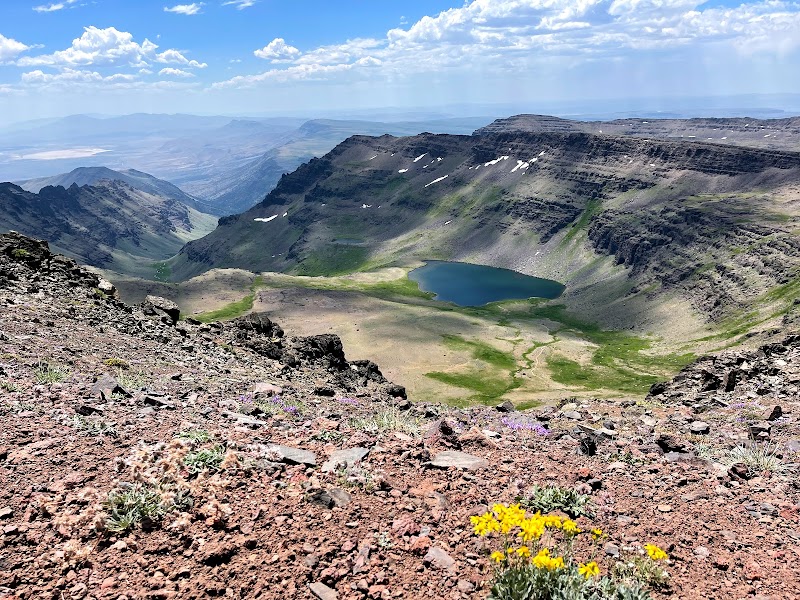
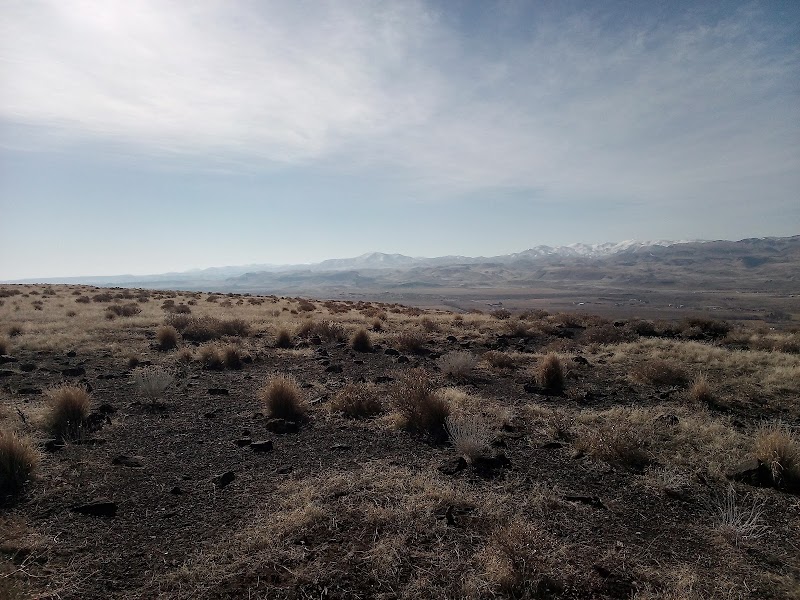
The Santa Rosa Ranger District forms part of the larger Humboldt-Toiyabe National Forest, the largest National Forest in the contiguous United States. Located in northern Nevada, this district features the Santa Rosa Range, a prominent mountain chain with elevations exceeding 9,700 feet. The area supports a range of ecosystems, including sagebrush steppe, juniper woodlands, and subalpine zones at higher elevations. The district’s geography offers dramatic contrasts between arid valleys and forested highlands, providing habitat for mule deer, mountain lions, sage grouse, and a variety of raptors. The region’s natural history has long been shaped by Native American peoples, with evidence of Paiute presence and historic use. More recent history includes early mining and ranching, patterns still evident in scattered historic sites and working ranchlands. Outdoor recreation is a strong draw here, with trails for hiking and mountain biking chasing ridge lines and peaks, camping facilities ranging from developed campgrounds to dispersed backcountry spots, and several fishing opportunities in alpine lakes and streams. Photographer and nature enthusiasts appreciate the district’s wide-open skies and varied wildlife. Notable landmarks include the summit of Granite Peak and the scenic Santa Rosa Ranger Station. Visitors seeking solitude and panoramic desert-mountain views find this less-crowded district offers a rewarding experience. Seasonal considerations include hot summers and snow in winter that can limit access to higher elevations.