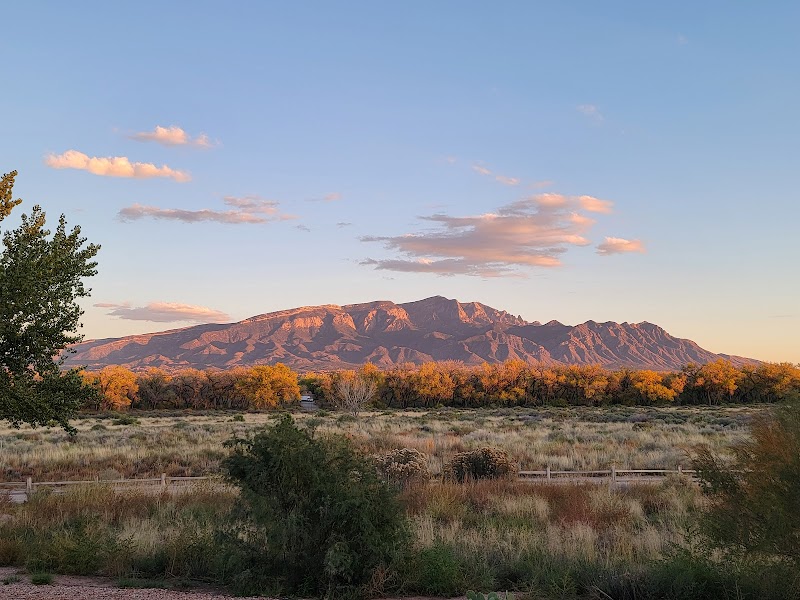
Wilderness Landscape & Natural Heritage
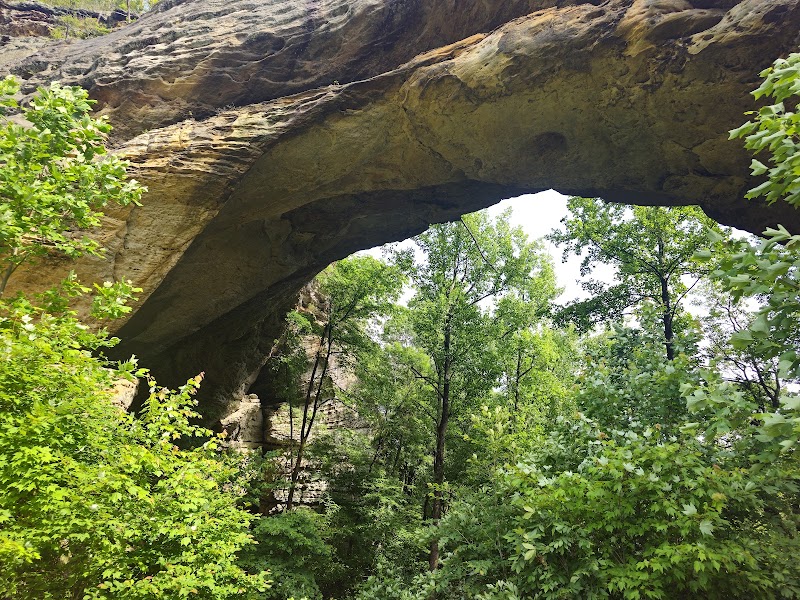
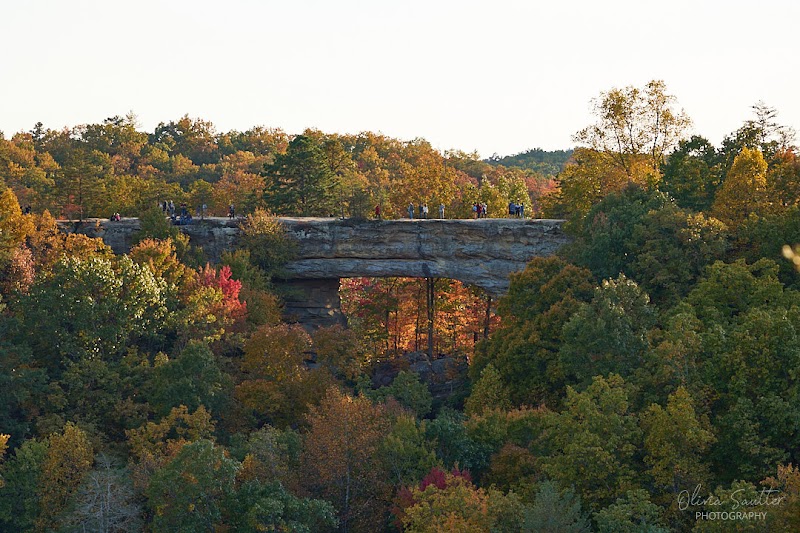
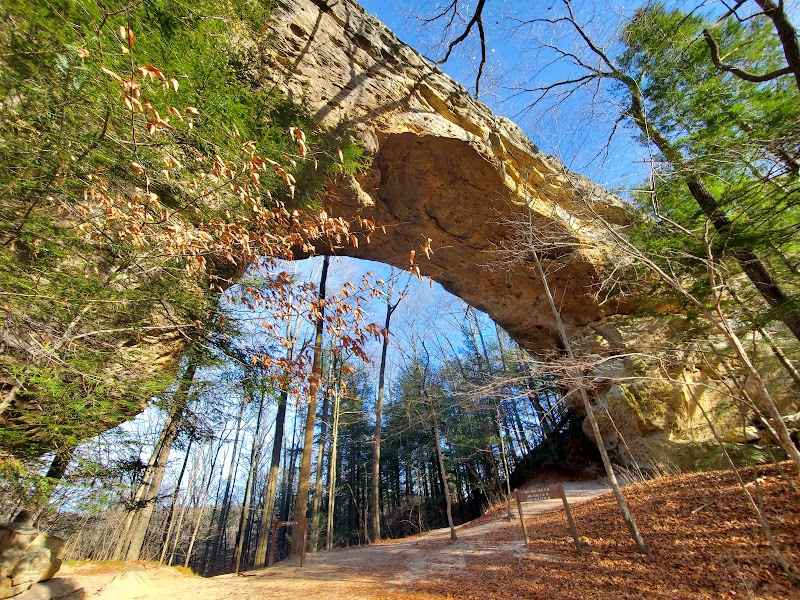
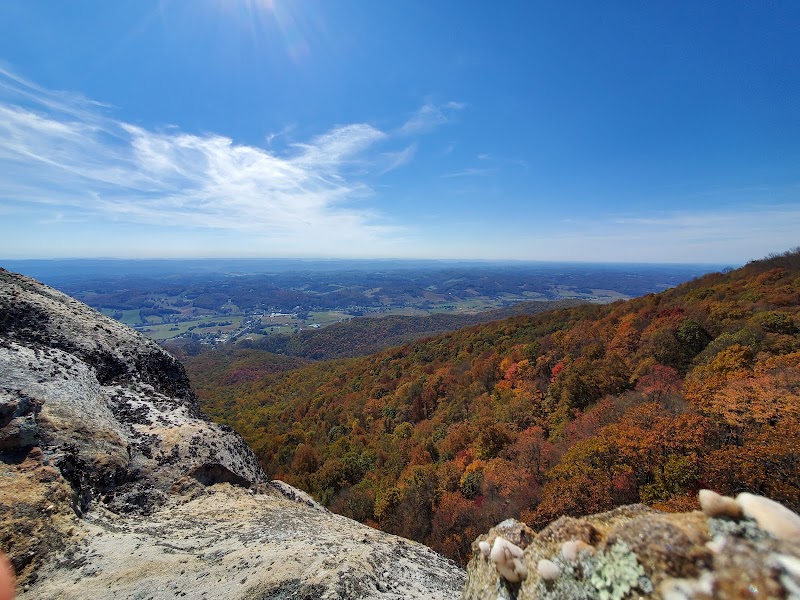
Cumberland National Forest, often referred to as the Daniel Boone National Forest since its renaming in 1990, originally covered parts of southeastern Kentucky and northern Tennessee. The forest is characterized by the Cumberland Plateau's distinctive topography of steep ridges, deep hollows, sandstone cliffs, and numerous waterfalls. It supports a diverse range of ecosystems, including oak-hickory hardwood forests, pine stands, and freshwater streams that supply habitat for various species such as black bears, white-tailed deer, wild turkey, and numerous songbirds. Historically, the area was used for logging, mining, and subsistence farming before federal protection helped restore much of its natural vegetation and wildlife. Key recreational activities include hiking the extensive trail systems such as the Sheltowee Trace National Recreation Trail, fishing in well-stocked streams, rock climbing, and camping at developed and primitive sites throughout the forest. Notable landmarks within the forest include the stunning Natural Arch, Yahoo Falls, and the Twin Arches Rock Formation. Visitor appeal lies in its relatively remote wilderness experience combined with accessible trailheads and facilities. Outdoor enthusiasts enjoy exploring rugged terrain, panoramic overlooks, and the peaceful environment rich in natural history and cultural heritage.