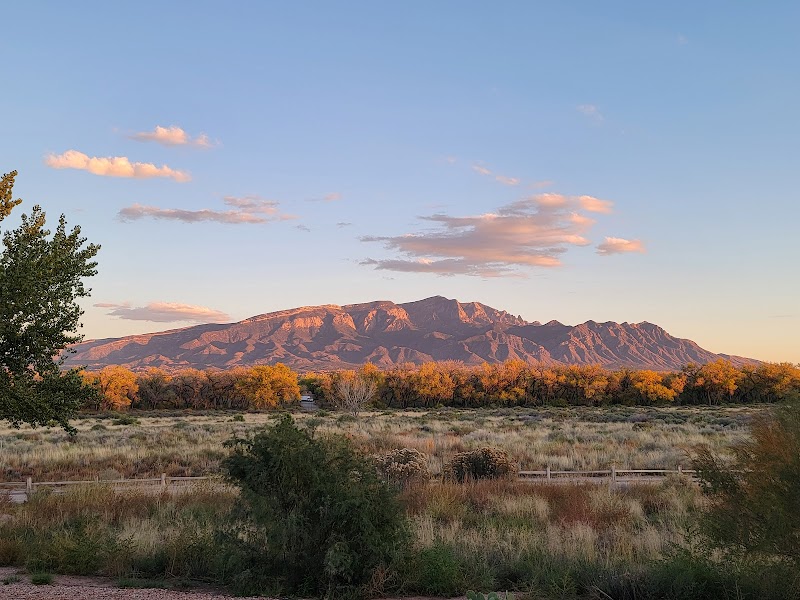
Wilderness Landscape & Natural Heritage
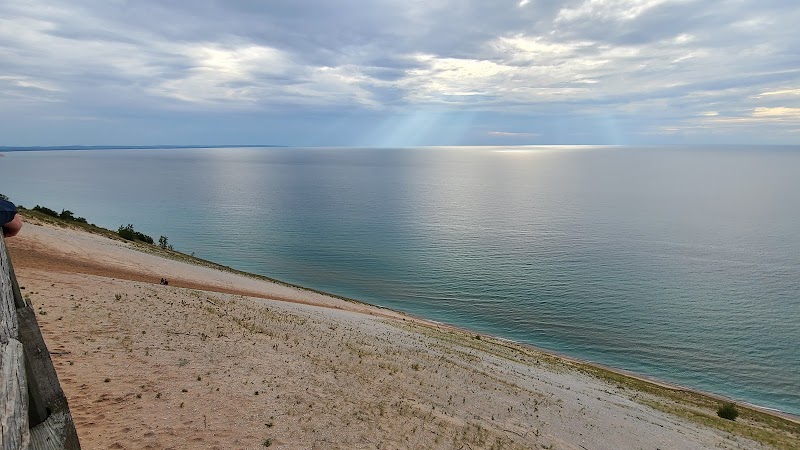
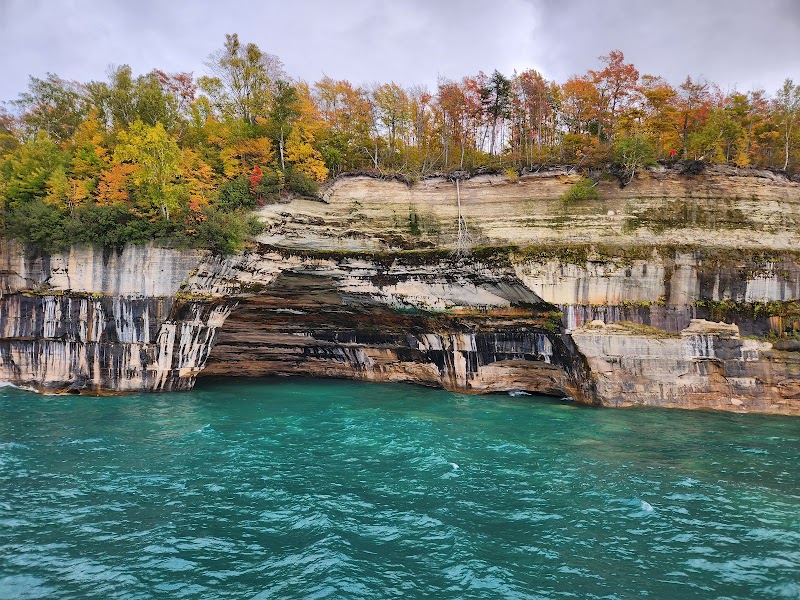
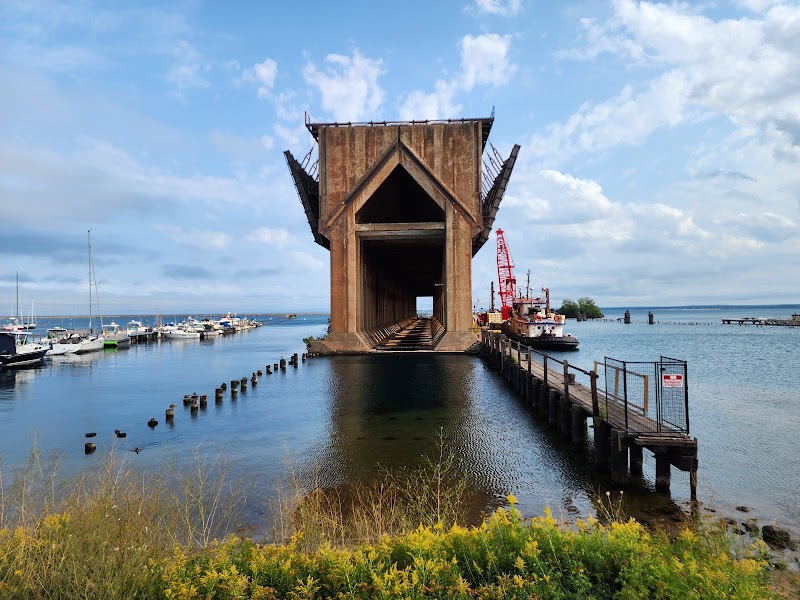
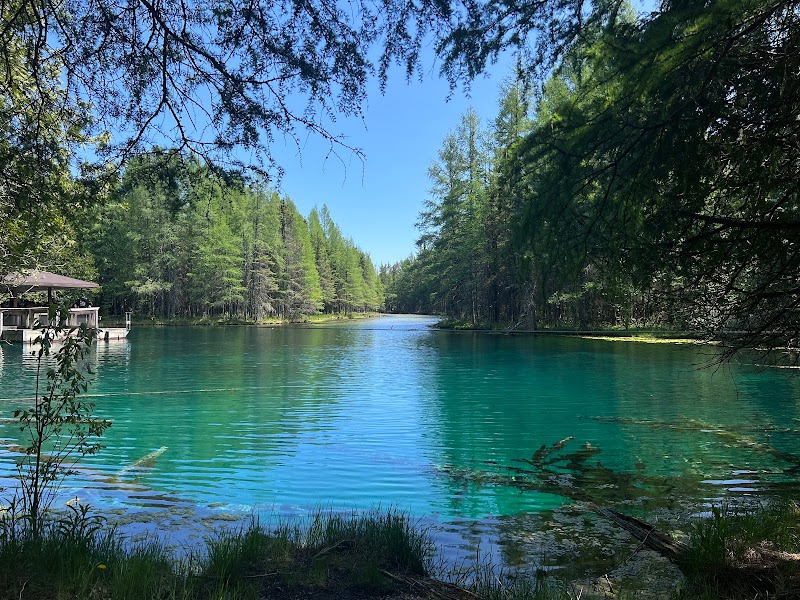
Hiawatha National Forest encompasses nearly one million acres of public land located in Michigan’s Upper Peninsula, divided into east and west units on the southern shores of Lake Superior and Lake Michigan. The forest contains a mix of hardwood and conifer stands, including white pine, red pine, sugar maple, and yellow birch, supporting diverse wildlife populations such as white-tailed deer, black bears, wolves, and numerous bird species. The landscape includes rolling hills, wetlands, numerous inland lakes, and portions of the Great Lakes shoreline, offering habitats for both aquatic and terrestrial species. Historically, the area was shaped by logging and reforestation efforts in the 20th century but now emphasizes conservation and outdoor recreation. Visitors can explore multiple recreation opportunities such as hiking, mountain biking, fishing, paddling, and snowmobiling in winter. Notable landmarks include the Escanaba River for trout fishing, the North Country National Scenic Trail crossing through the forest, and several designated wilderness areas like Delirium Wilderness and Horseshoe Bay Wilderness. The forest also contains historic sites such as old logging railroads and interpretive trails. The mix of lakes, wetlands, and forest provides excellent opportunities for wildlife viewing and photography, while scenic drives along Lake Superior’s shoreline highlight rugged cliffs and beaches. Its proximity to cities such as Marquette and Escanaba makes it an accessible escape for nature enthusiasts seeking both solitude and family-friendly outdoor activities.