Wilderness Landscape & Natural Heritage
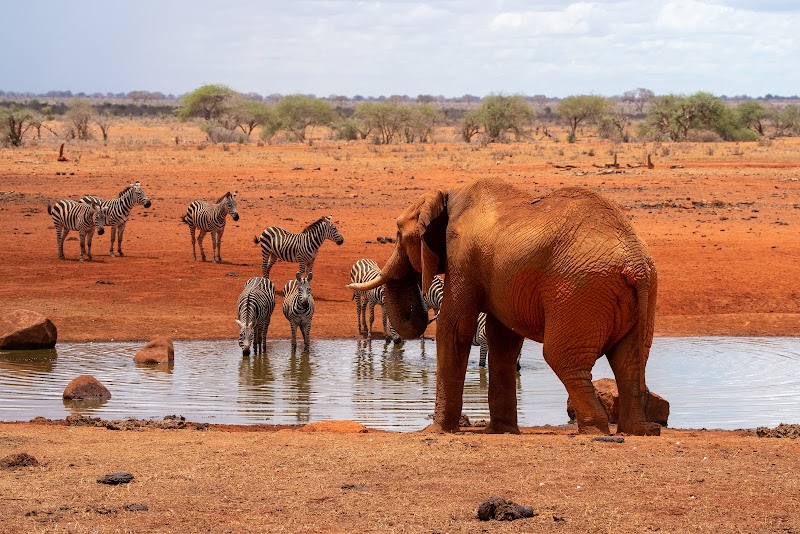
Arabuko-Sokoke Forest National Reserve spans approximately 416 square kilometers along Kenya’s coastal lowlands, between the Indian Ocean and the Kaya forests. The forest consists of unique dry coastal forest, riverine forest, and woodland habitats, making it a critical ecological zone in East Africa. It supports the largest remaining coastal forest in Eastern Africa and is globally recognized for its rich biodiversity, including endemic and endangered species. The forest is home to over 250 bird species, several of which are rare or restricted-range, such as the Clarke's Weaver and Sokoke Pipit. Among mammals, the critically endangered Ader’s duiker and golden-rumped elephant shrew are notable residents. Established officially as a reserve in the mid-20th century, Arabuko-Sokoke serves as an important research and conservation site with ongoing efforts to protect its fragile ecosystem from threats like poaching, logging, and encroachment. Visitors can explore well-marked trails that wind through diverse forest types, providing opportunities to spot wildlife, especially in the early morning or late afternoon. The forest also features several sacred Kaya forests which hold cultural significance for local communities. Bird enthusiasts and nature photographers find Arabuko-Sokoke particularly rewarding due to its rich avifauna and scenic natural environment. Additionally, guided night walks are available to observe nocturnal species, enhancing visitor experience. The location's unique mix of coastal and forest elements, along with its relative accessibility from Mombasa and Malindi, makes it a compelling destination for outdoor recreation and eco-tourism.