Wilderness Landscape & Natural Heritage
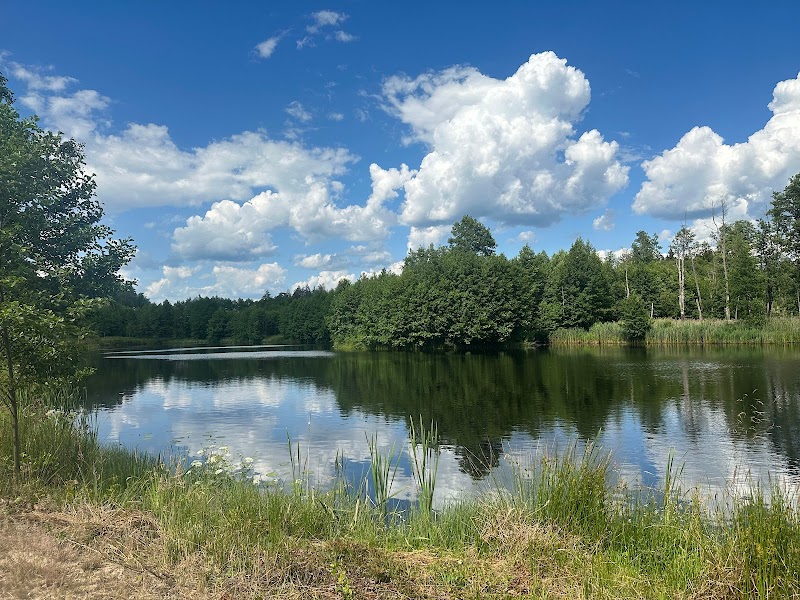
Białowieża Forest, straddling the border between Poland and Belarus, is a UNESCO World Heritage Site and one of the last and best-preserved remnants of the vast primeval forest that once stretched across the European Plain. Covering approximately 150,000 hectares, this ancient woodland is characterized by its towering centuries-old trees, including oaks, lindens, and spruces, alongside rich undergrowth and floodplain meadows. The forest’s unique ecological significance lies in its relatively untouched, natural forest dynamics, supporting diverse plant and animal species, including the iconic European bison (wisent), wolves, lynxes, and dozens of bird species. Historically, the forest has been protected since the early 20th century, with Poland establishing the Białowieża National Park in 1932 to safeguard its biodiversity, while Belarus also preserves significant forest areas. Visitors to Białowieża Forest can enjoy hiking through well-marked trails, wildlife watching—particularly at feeding points for the European bison—guided tours focusing on ecology and history, as well as winter activities like cross-country skiing. The region also holds cultural value, with traditional wooden architecture, a rich local folklore, and nature museums in nearby villages. Białowieża’s blend of wild beauty, scientific importance, and cultural heritage makes it a compelling destination for nature lovers and outdoor enthusiasts seeking an authentic encounter with Europe’s natural heritage.